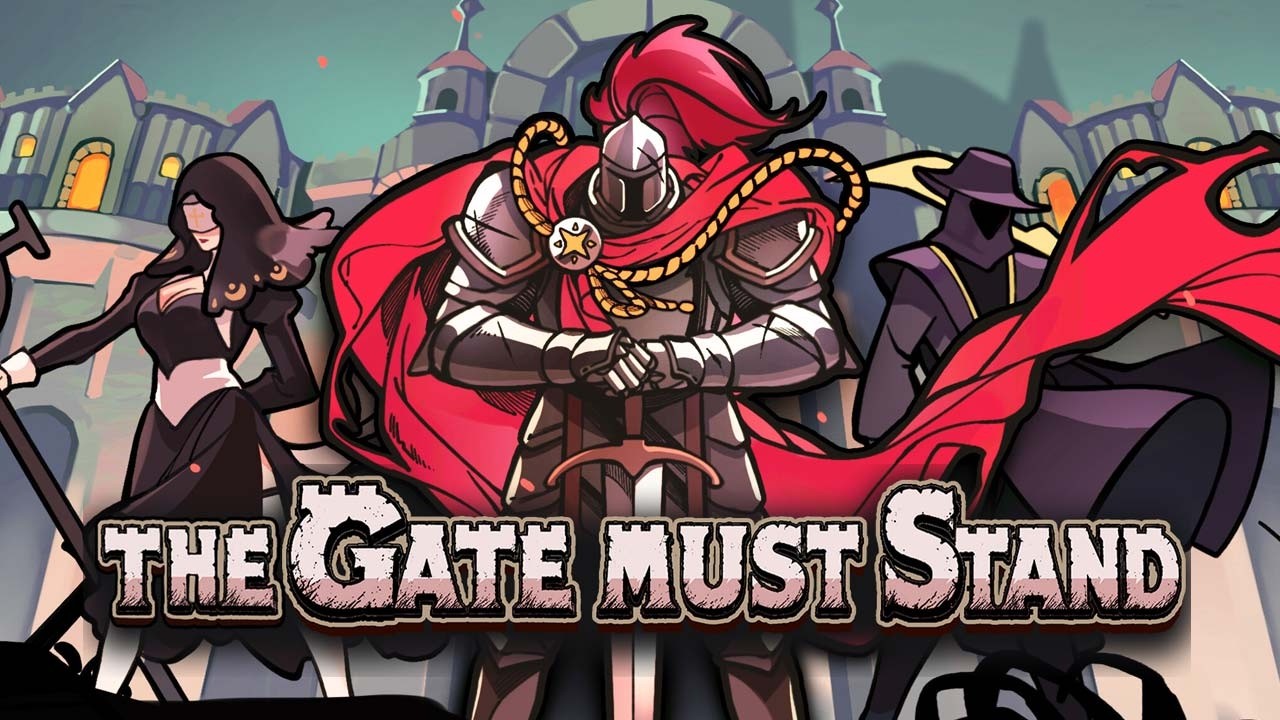
The Gate Must Stand – Roguelike Tower Defense Action Review
Defend Belrak in a hybrid roguelike tower defense action game with hero builds and strategic base defense systems
Play The Gate Must Stand, a roguelike tower defense action game where you defend Belrak’s final gate using hero builds, follower upgrades, and real-time tactical combat. Balance offense and base defense as enemy waves escalate and each run reshapes your strategy.
Hold the gate, break the waves, and see how long your strategy can survive

The Gate Must Stand


The Gate Must Stand combines action combat with roguelike tower defense survival A run-based defense game where heroes, followers, and upgrades decide how long the gate survives
The Gate Must Stand, developed by Senmu Studio and published by Gamersky Games alongside Yogscast Games, is a roguelike tower defense action game built around defending a single objective. The entire structure revolves around protecting the gate of Belrak, a last stronghold under constant attack. Every run follows the same rule: if the gate falls, the attempt ends.
In actual gameplay, the experience is a mix of controlling a hero directly while also managing defenders on the battlefield. The player is not just placing units and watching the outcome. Movement, positioning, and timing matter constantly because enemy waves keep moving toward the gate without pause. This creates a steady back-and-forth between fighting on the front line and checking the wider battlefield for pressure points.
Unlike classic tower defense games with fixed paths, enemies in The Gate Must Stand approach in open waves. This changes how defense is handled because there is no single “safe” formation. As stronger enemy types appear, earlier setups often stop working, forcing adjustments during the run instead of relying on one strategy.
At times, this constant split of attention can feel demanding. During larger waves, it becomes harder to track everything happening at once, especially when fighting directly while also repositioning followers. The difficulty does not just come from stronger enemies, but from managing too many active threats at the same time.
Heroes define how each run plays out in practice Four playable characters with different combat styles and build paths
The game includes four heroes, each built around a different combat style. Some are better suited for close-range fighting, while others focus on control or more defensive roles. These differences affect how the player approaches each run, since the hero choice determines how aggressive or defensive the overall strategy needs to be.
Across all heroes, there are 149 skills that can be unlocked and combined. These skills shape how the hero performs in battle and how they support the overall defense. Because skills interact with follower upgrades and relics, each run can develop in different directions depending on what is found and selected.
Followers and upgrades add depth to the defense strategy Units evolve into stronger roles depending on choices made during a run
Followers play a key role in defending the gate. There are nineteen types of followers, each serving a different function such as holding the front line, dealing ranged damage, or providing support. They form the main defensive layer behind the hero’s direct actions.
As the run progresses, followers can be improved through multiple upgrade paths. There are 150 follower skills and 46 advanced upgrades that change how they perform in combat. Some builds focus on strengthening a small number of units, while others spread upgrades across a larger defense line.
At the highest level, followers can evolve into 38 advanced forms. These evolutions are not automatic and depend on the choices made during the run. When they happen, they significantly change how a unit behaves, often turning a basic role into something much more specialized and powerful.
Progression and resources shape every decision Stronger builds come from careful planning rather than fast upgrades
Resource management is always active in The Gate Must Stand. Players must decide how to spend limited resources between upgrading the hero, improving followers, and strengthening defenses. These decisions directly affect how well a run can survive later waves.
The game shares some structure with survivor-style games, but it is more focused on positioning and controlled defense. Progression is not just about becoming stronger quickly, but about choosing the right upgrades at the right time to avoid falling behind in later waves.
Early progression can feel a bit limited because deeper upgrade options take time to unlock. Until more systems become available, builds can feel similar between runs. Once progression opens up further, there is more variety in how strategies develop.
Boss fights change the pace of each run Rewards from bosses shape how future waves are handled
Every few minutes, boss enemies appear and temporarily shift the focus of the game. These fights are more intense than regular waves and often require the player to move between direct combat and defense quickly.
There are thirteen bosses and ten elite enemy types, each adding different challenges to a run. Winning these encounters provides relic rewards that can change how a build develops, often opening new upgrade options or improving follower strength.
The challenge is that these fights happen while the gate is still under pressure. This means players cannot fully focus on the boss without also keeping track of what is happening elsewhere on the map.
Long-term progression adds replay value Each run contributes to permanent growth and new unlocks
The Gate Must Stand includes a progression system where each run contributes to long-term growth. Even failed runs still reward progress, which helps unlock new abilities and improve future attempts. The system extends up to level seven, gradually increasing available options over time.
As more upgrades unlock, runs become more varied because different combinations of skills, followers, and relics start to interact in new ways. This helps reduce repetition once the early stages of progression are complete.
Final verdict A challenging roguelike tower defense game built around constant pressure and adaptation
The Gate Must Stand is a roguelike tower defense game focused on defending a single location against continuous waves of enemies. Its strength comes from combining direct hero control with follower-based defense, creating a constant need to react and adjust during each run.
The variety in heroes, skills, and follower upgrades gives the game strong replay value once systems begin to open up. Runs rarely feel identical in the long term, especially when different upgrade paths start interacting in unexpected ways.
At the same time, the game can feel demanding because it requires attention to many things at once. Early progression is also slower, which may limit variety until more content is unlocked. These factors make the learning curve noticeable, especially for players new to this type of hybrid strategy game.
Overall, The Gate Must Stand delivers a focused but demanding defense experience where success depends on timing, positioning, and smart upgrade choices. It is best suited for players who enjoy structured roguelike runs with steady progression and high-pressure decision making.
The VoxOdyssey Project Mission Statement for Feature games
I highlight what makes each game unique by examining gameplay mechanics, design choices, and storytelling. By analyzing systems, level design, and play styles, and referencing official media and assets, I aim to provide accurate, informative, and trustworthy insights. While I strive for accuracy, some details may change or be updated over time. Players can use this information to understand each title’s features and mechanics and make their own judgments.
The Gate Must Stand gameplay screenshots Roguelike tower defense battles, hero combat, and gate defense strategy


The Gate Must Stand trailer – roguelike tower defense, hero combat, and gate survival battles
Watch The Gate Must Stand in action as heroes fight on the front line while followers defend Belrak’s gate against relentless enemy waves. The trailer below highlights combat flow, upgrades, and the constant pressure of surviving each run.