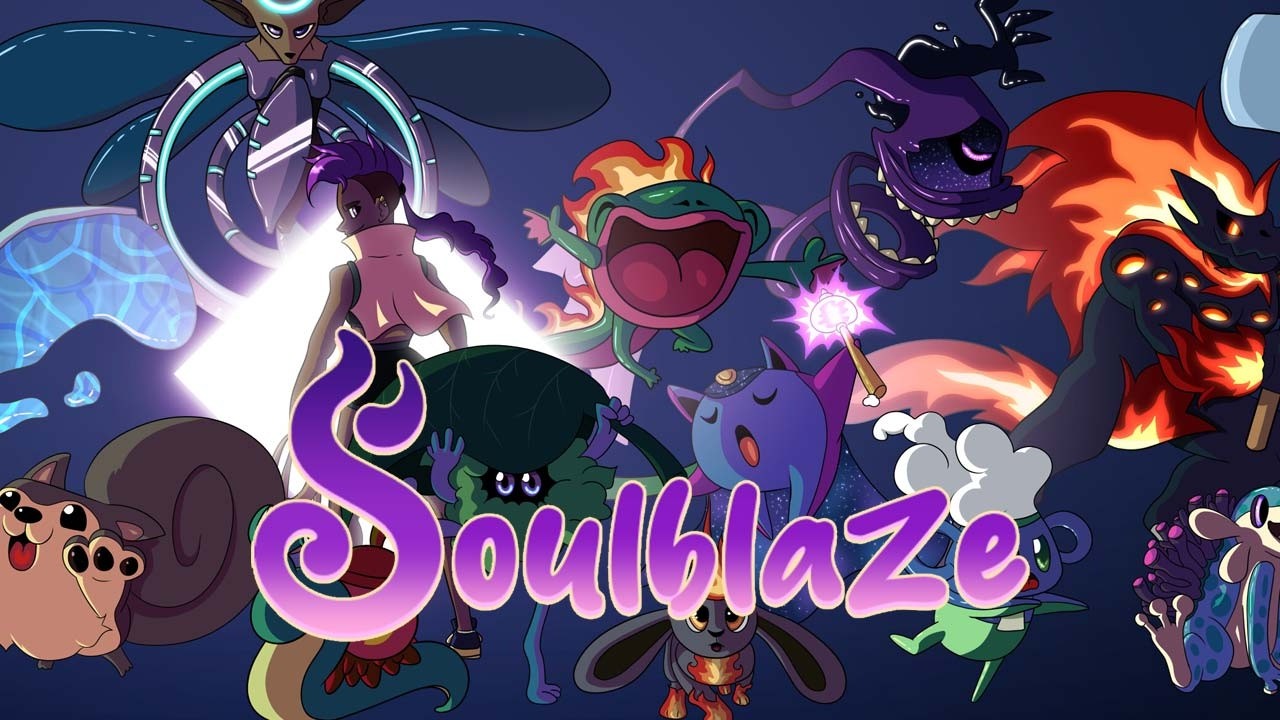
Soulblaze Review – Creature Collecting Roguelite Dice RPG Adventure
Capture Animons, master dice-based battles, and build powerful teams in Cosmic Mocca’s creature collecting roguelite RPG
Soulblaze is an Early Access creature collecting roguelite combining Animon training, tabletop-inspired dice combat, tactical builds, and replayable adventures where every run creates new strategic possibilities.
Ready to discover the creatures, mechanics, and strategies that make each Soulblaze run different? Continue below.

Soulblaze


A creature adventure where every roll changes the plan Soulblaze Early Access review exploring Animons, tactical builds, and roguelite strategy
Soulblaze is an Early Access creature collecting roguelite developed and published by Cosmic Mocca that combines monster training, tabletop-inspired dice mechanics, and strategic run-based progression into a compact RPG experience. Released into Steam Early Access on May 29, 2026, the game places players in the role of an Animancer who captures Animons, builds teams, upgrades techniques, and battles through multiple regions filled with encounters and bosses.
Instead of following the traditional structure of a long creature collecting RPG campaign, Soulblaze focuses on shorter adventures where every run creates a different challenge. The creatures discovered, techniques developed, resources collected, and choices made along the way all influence how a team performs. The result is a creature collector built around adaptation rather than simply following a fixed path from beginning to end.
During hands-on runs, Soulblaze’s systems work together to create a constant balance between preparation and reaction. Capturing Animons with Bindshards, maintaining advantages through Rolling Resonance, and managing an Animon’s enhanced Soulblaze form demonstrate that success comes from more than selecting powerful creatures. Players need to adjust their approach depending on available upgrades, combat situations, and the risks presented during each adventure.
This places Soulblaze between several genres. It functions as an indie creature collector while incorporating elements from roguelite RPGs, dice RPG systems, and turn-based strategy games. Its identity comes from combining familiar creature training concepts with a structure designed around repeatable runs and tactical experimentation.
Catching Animons is only the beginning How Soulblaze turns creature collecting into a strategic decision
The core of Soulblaze is built around discovering and developing Animons. Each creature has its own passive ability, meaning team building depends on understanding how different creatures support each other. A successful group is not created simply by collecting the strongest available options, but by finding combinations that work together during a run.
Learning how to manage Bindshards to capture Animons like Asinember or Difdagua is the first step in the tactical loop. The more important decisions come afterwards, when players decide which creatures fit their current strategy, which techniques should be upgraded, and how each member of the team contributes to surviving future encounters.
Unlike traditional monster-training games where players often spend an entire campaign developing one permanent team, Soulblaze encourages flexibility. The creatures available during a run shape the available strategies, meaning players must work with what they find rather than relying on one established formula.
This approach gives individual Animons more strategic importance. Passive abilities, technique combinations, and team interactions determine how effective a group becomes. A creature that may appear limited at first can become valuable when combined with the correct upgrades and supporting abilities.
A battle system built around risk, timing, and smart choices Dice mechanics and technique customisation define every encounter
Soulblaze’s combat system is the feature that most clearly separates it from traditional creature collecting RPGs. Battles combine creature abilities with tabletop dice mechanics, creating encounters where probability influences the outcome but player decisions remain the deciding factor.
The dice RPG approach changes how players think about combat. Rather than relying only on predictable damage calculations, each encounter requires players to evaluate risk, manage resources, and decide when a particular strategy is worth pursuing. A strong team provides advantages, but the player still needs to respond to changing circumstances.
The technique system adds another strategic layer by allowing players to upgrade and modify actions through tag combinations. These modifications allow different builds to develop depending on the player's chosen approach, including combinations such as Parasite modifiers that can apply Poison and Heal Debuffer effects together during a single turn.
This system gives techniques a purpose beyond simple numerical upgrades. Players can shape their abilities around different team compositions and combat situations, creating builds that feel more personal and suited to the current run.
The Rolling Resonance mechanic and Soulblaze form system add further depth by introducing temporary advantages that must be managed carefully. Maintaining these benefits can change the outcome of encounters, but poor timing or incorrect decisions can quickly remove that advantage.
The map is part of the strategy Choosing the right path can decide how far a run survives
Soulblaze uses roguelite progression to make each adventure feel different while still rewarding continued play. Every run provides temporary opportunities, while permanent upgrades allow players to gradually improve their options over time.
Players collect marbles that can be spent on permanent improvements, unlocking additional possibilities and expanding future runs. This creates a progression system where unsuccessful attempts still contribute towards future success rather than feeling like lost progress.
The map structure also plays an important role in decision-making. Players must consider which routes offer the best opportunities depending on their current condition. Visiting locations such as a Hammam can provide valuable recovery by restoring health or focusing an Animon, while other paths may offer different advantages.
These decisions create the central tension of the roguelite design. Taking a safer route may provide stability, while choosing a more dangerous path may create opportunities for stronger rewards. The challenge comes from understanding when to protect a successful run and when to take a calculated risk.
A retro fantasy world filled with strange discoveries How Soulblaze blends technology, magic, and creature collecting
Soulblaze creates its identity through a combination of fantasy creature design and a 90s retro aesthetic. The game mixes ideas such as flash drives, sticker albums, and magical creatures to create a setting that feels connected to digital culture while still maintaining the sense of discovery expected from a creature collecting RPG.
The hand-drawn Animons are central to this visual approach. Each creature has its own appearance and passive ability, making discovery an important part of progression. The process of finding new creatures is not only about increasing a collection but also about discovering new possibilities for future team builds.
The regions players explore provide the framework for encounters, resources, and boss battles. Rather than relying on a heavily cinematic story structure, Soulblaze uses its gameplay systems to establish its world. Creature discovery, team development, and strategic decisions form the main way players experience the setting.
This approach places Soulblaze among modern 90s retro aesthetic indie games that reinterpret classic ideas through newer design structures. Instead of simply recreating older creature collectors, it combines familiar themes with roguelite mechanics and tactical combat systems.
Bringing the audience into the adventure How Soulblaze Twitch integration changes the way runs are played
Soulblaze includes Twitch integration designed to connect gameplay with streaming communities. The feature allows viewers to become involved in parts of an adventure by influencing decisions, providing rewards through channel points, predicting enemy actions, and participating in Animon adoption systems.
This feature fits naturally with the roguelite structure because every run is built around choices and changing outcomes. Viewer interaction can influence decisions that would normally belong only to the player, creating a more community-driven approach to creature collecting and strategy gameplay.
For streamers, Soulblaze Twitch integration gameplay creates opportunities where the audience becomes part of the progression. Choosing routes, affecting rewards, and interacting with Animon systems adds another layer of unpredictability to already dynamic runs.
The inclusion of these features reflects a wider trend among indie games that are designed with streaming communities in mind. Soulblaze does not treat streaming as something separate from the game; instead, it connects audience participation directly with the gameplay loop.
A solo project built around one clear idea Cosmic Mocca’s approach to creature collecting and roguelite design
Soulblaze is being developed by Cosmic Mocca as a solo developer monster training game. The project combines several specialised genres into one experience, bringing together creature collection, dice-driven combat, roguelite progression, and fantasy exploration.
The Early Access release allows the game to continue developing while maintaining its core direction. The current version establishes the major systems that define the experience, including Animon capture, team building, technique modification, combat encounters, and permanent progression.
As an independent project, Soulblaze focuses on a specific gameplay concept rather than attempting to match the scale of larger commercial creature collecting franchises. Its appeal comes from combining familiar mechanics in a different structure designed around shorter sessions and repeated experimentation.
The Early Access format also means the game remains an evolving project. Future updates, balance changes, and additional content will influence how the experience develops beyond its current foundation.
A lightweight game designed for accessible play Soulblaze system requirements and platform support
Soulblaze is available on Windows, macOS, and SteamOS + Linux, making it accessible across multiple desktop platforms. The game has relatively modest hardware requirements, reflecting its focus on tactical systems, creature collection, and replayable gameplay rather than demanding graphical performance.
The Soulblaze system requirements PC specifications include Windows 10 or Windows 11, an Intel i5 processor running at 1.6 GHz, 2 GB of RAM, internal graphics capability, DirectX 10 support, and approximately 200 MB of available storage space.
Soulblaze macOS Linux compatibility expands the potential audience beyond Windows players, giving users on different operating systems access to the same creature collecting roguelite experience. The low hardware requirements also make the game approachable for players using older or less specialised systems.
Final Verdict Soulblaze Early Access review conclusion
In its current Early Access state, Soulblaze presents a distinctive creature collecting roguelite built around tactical choices, Animon development, and unpredictable dice-driven battles. Cosmic Mocca’s design combines familiar monster training concepts with a structure focused on shorter adventures, allowing players to experiment with different teams and strategies without committing to a traditional long-form campaign.
The strongest part of Soulblaze is the way its individual systems connect. Capturing Animons with Bindshards, building around passive abilities, modifying techniques through tags, managing Soulblaze form advantages, and making careful map decisions all contribute to a gameplay loop where every choice has a purpose.
The game’s biggest strength is its ability to make creature collecting feel strategic rather than purely accumulative. Each Animon has value because of how it contributes to a build, and each run creates opportunities to discover new combinations. The dice mechanics add uncertainty without removing player control, creating battles where preparation and adaptation are equally important.
As a solo-developed Early Access project, Soulblaze is still developing. Balance adjustments, additional content, and future refinements will determine how the experience grows over time. Current systems such as skill balancing, technique interactions, and progression mechanics may continue changing as Cosmic Mocca expands the game.
For players searching for a Soulblaze review focused on the Steam Early Access version, the game offers a focused alternative to traditional creature collecting RPGs. Its combination of Animons, tabletop dice mechanics, roguelite progression, retro fantasy presentation, and Twitch integration gives it a clear identity within the indie creature collector space.
Soulblaze is ultimately defined by experimentation. Rather than asking players to follow one fixed path, it creates a series of tactical challenges where capturing the right creatures, creating effective builds, and adapting to each run determine success. Its current Early Access foundation provides a clear direction for a creature collecting roguelite designed around strategy, discovery, and replayable adventures.
The VoxOdyssey Project Mission Statement for Feature games
I highlight what makes each game unique by examining gameplay mechanics, design choices, and storytelling. By analyzing systems, level design, and play styles, and referencing official media and assets, I aim to provide accurate, informative, and trustworthy insights. While I strive for accuracy, some details may change or be updated over time. Players can use this information to understand each title’s features and mechanics and make their own judgments.
Soulblaze gameplay screenshots Animon battles, creature collection, and tactical roguelite adventure scenes


Soulblaze trailer – Animons, dice battles, and the journey through each run
Watch Soulblaze in action as the trailer showcases creature collection, Animon training, tactical dice combat, and roguelite adventures. Explore the gameplay below and see how each run, battle, and strategy unfolds.