HellSlave II: Judgment of the Archon Review – Dark Fantasy Dungeon RPG
Explore HellSlave II: Judgment of the Archon, a tactical dark fantasy RPG featuring time-based combat, deep character builds, and Demonic Powers.
HellSlave II: Judgment of the Archon blends tactical turn-based combat, first-person battles, top-down exploration, flexible class progression, crafting, and corruption-driven powers in a dark fantasy dungeon crawler RPG.
Ready to challenge the Archon? Discover what makes HellSlave II's combat, classes, and corruption systems stand apart below.

HellSlave II: Judgment of the Archon


HellSlave II: Judgment of the Archon Review – A Dark Fantasy RPG Built Around Tactical Combat, Corruption, and Customisation An editorial analysis of Ars Goetia's dungeon crawler RPG systems, class design, combat structure, and dark fantasy world
HellSlave II: Judgment of the Archon is a dark fantasy dungeon crawler RPG developed by solo creator Baptiste Miny under the Ars Goetia name and published by Dear Villagers. Released on August 4, 2026, the sequel expands the foundation established by HellSlave with deeper character progression, expanded build options, a redesigned loot system, and a more flexible approach to tactical combat.
Set within a world destroyed by thousands of years of demonic warfare, HellSlave II places humanity between two forces of overwhelming power. Six demon lords have reduced civilisation to ruins through endless conflict, while the heavens respond by unleashing the Archon of Judgment, a force determined to end the war regardless of the cost. The player's role is defined by this impossible situation: destroy the demons before divine judgement destroys what remains of the world.
The identity of HellSlave II: Judgment of the Archon comes from the connection between its narrative themes and gameplay systems. Corruption, forbidden power, tactical decision-making, and character customisation are not separate elements placed alongside the story. They form the foundation of the experience, creating a turn-based RPG where every build choice influences how players approach combat.
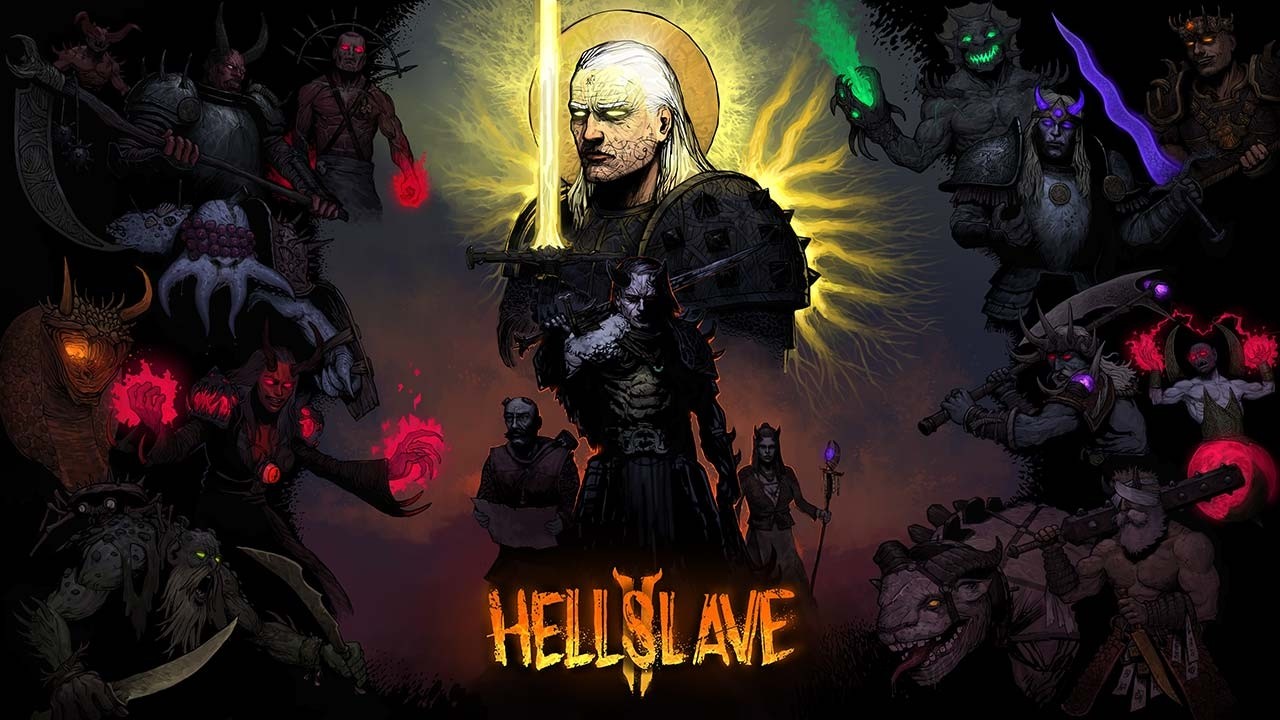
As a spiritual successor to HellSlave RPG, the sequel retains the series' handcrafted comic book art style dark fantasy presentation while expanding the systems that define the original. The result is an indie RPG focused on tactical planning, experimentation, and player-created strategies rather than a linear progression path.
A Solo-Developed Indie RPG Focused on Systems and Player Choice How Ars Goetia builds a tactical experience around customisation and experimentation
HellSlave II represents a focused approach to indie RPG development. Created by Baptiste Miny, Ars Goetia continues the design direction of the original game by concentrating on interconnected systems rather than attempting to compete through large-scale world size or cinematic presentation.
The game follows a traditional role-playing structure built around character creation, class development, equipment progression, and tactical encounters. However, HellSlave II adds additional layers through flexible talent trees, specialised classes, Demonic Powers, and a revised crafting and loot system.
This approach gives the game a specific identity within modern indie RPG games. The emphasis is placed on understanding systems and developing effective combinations rather than following a predetermined character path. Players are encouraged to experiment with different abilities, equipment choices, and corruption-based powers to create builds suited to their preferred playstyle.
The design philosophy behind HellSlave II is clear: progression is not only about becoming stronger, but about creating a character that functions effectively within the game's tactical combat structure.
Tactical Turn-Based Combat With a Time-Based Twist A combat system where ability timing becomes part of every strategic decision
The defining feature of HellSlave II's combat is its combination of traditional tactical turn-based RPG design with a time-based execution system. Unlike conventional turn-based combat where selected actions usually resolve immediately, abilities in HellSlave II require real-time seconds to execute.
This creates a different type of decision-making. Players are not only choosing which skill to use but also considering how long that action will take before producing its result. A powerful ability may provide significant offensive value, but committing to slower actions requires awareness of the surrounding battlefield and potential enemy responses.
The system changes the rhythm of combat by introducing a constant relationship between action strength and timing. Faster abilities provide flexibility, while more demanding abilities require greater planning. The player must understand the relationship between offensive pressure, defensive positioning, and execution timing.
This places HellSlave II apart from many traditional dungeon crawler RPG experiences. Instead of relying solely on initiative order and immediate skill selection, the game creates encounters where timing management becomes an additional tactical resource.
The result is a time based combat turn based RPG structure that rewards players who analyse encounters carefully and understand how their chosen abilities interact with the flow of battle.
Two Perspectives Define Exploration and Combat A top-down world map and first-person battles create separate strategic experiences
HellSlave II separates exploration and combat through two different perspectives, giving each part of the experience a distinct purpose. The overworld and underworld exploration sections use a top-down view, allowing players to navigate a world filled with cursed locations, ruined villages, sanctuaries, and hidden areas.
Exploration focuses on movement, discovery, and understanding the wider condition of the world. The environments reflect the consequences of the demon war, presenting a setting where survival has become increasingly difficult and humanity exists among the remains of a collapsing civilisation.
Combat shifts into a first-person perspective, bringing encounters closer to the player and reinforcing the importance of tactical execution. This change in viewpoint supports the game's combat identity by placing greater emphasis on individual battles, enemy encounters, and the timing of abilities.
The separation between perspectives allows HellSlave II to create two connected but different experiences. Exploration provides the strategic overview, while combat delivers the immediate tactical challenge.
HellSlave II Character Builds and Classes Create Multiple Paths Through Corruption Warrior and Sorcerer foundations expand into specialised tactical playstyles
Character development is one of the most important systems in HellSlave II: Judgment of the Archon. The game begins by allowing players to choose between two core starting paths, Warrior or Sorcerer, before developing their character through six specialised class directions. This structure provides a foundation for different combat identities while maintaining flexibility through talents, abilities, and equipment choices.
The Warrior path focuses on direct confrontation and physical combat approaches, with specialised archetypes including Berserker, Undead Warrior, and Demon Warrior variants. These classes reflect different interpretations of the game's darker fantasy themes, combining traditional martial strength with supernatural influences connected to the wider demonic conflict.
The Sorcerer path offers a different approach built around magical abilities and destructive supernatural forces. The Black Death archetype represents one of the game's darker magical identities, focusing on plague and disease themes while reinforcing the connection between forbidden power and character progression.
Rather than restricting players to fixed roles, HellSlave II uses flexible talent trees that allow abilities to be combined in different ways. Active powers and passive talents work together with class choices, giving players the ability to shape characters around specific strategies rather than following a single intended build.
This creates a character customization RPG structure where experimentation becomes a central part of progression. A Warrior and a Sorcerer can both be developed in different directions depending on the abilities, talents, and equipment selected throughout the journey.
Demonic Powers Add a New Layer to Character Progression Corruption becomes a gameplay system rather than only a narrative theme
One of the major additions in HellSlave II is the Demonic Powers system. This mechanic expands character progression by introducing abilities connected to Demon Lord corruption alongside the existing active powers and passive talents.
The addition of Demonic Powers strengthens the connection between gameplay and the game's central conflict. The player is fighting against demonic forces while also gaining access to abilities influenced by the same darkness threatening the world.
From a design perspective, this creates a more connected progression system. Corruption is not simply part of the story surrounding the Archon and the demon war; it directly influences how characters develop and how players approach combat encounters.
The system also supports replayability because different combinations of class choices, talents, equipment, and Demonic Powers create alternative approaches to building a character. Players who enjoy analysing RPG mechanics and refining specialised builds will find the game's progression structure designed around experimentation.
Loot, Crafting, and Equipment Progression Expand Build Variety A darker RPG progression system built around finding and refining gear
HellSlave II expands its RPG systems through a redesigned loot structure and improved crafting mechanics. The introduction of randomized loot gives exploration a stronger connection to character development, ensuring that equipment discovery remains part of the overall progression loop.
The crafting system allows players to refine equipment and adjust their gear choices to better support different builds. Instead of relying only on class progression, character effectiveness is influenced by the relationship between abilities, talents, and equipment.
This approach supports the game's focus on player choice. A character is not defined only by the initial class selection but by the decisions made throughout the adventure. Equipment improvements, talent selections, and corruption-based abilities all contribute to the final playstyle.
For players interested in a dark fantasy RPG with crafting and loot, HellSlave II provides progression systems designed around experimentation rather than simple numerical upgrades.
A World Destroyed by Demonic Warfare Environmental storytelling supports the game's darker fantasy atmosphere
The world of HellSlave II is built around the aftermath of a conflict that has lasted thousands of years. The war between six demon lords has left civilisation damaged, creating environments shaped by destruction, desperation, and the struggle for survival.
Players travel through cursed dungeons, ruined villages, and sanctuaries where the remaining inhabitants attempt to survive against overwhelming forces. These locations provide more than simple backgrounds for combat; they reinforce the game's central themes of collapse, corruption, and resistance.
The game's comic book art style dark fantasy presentation gives these environments a distinctive identity. Rather than pursuing realistic fantasy visuals, HellSlave II uses a handcrafted illustrated approach that emphasises dramatic character designs, threatening environments, and a world defined by supernatural conflict.
This visual direction complements the game's mechanical focus. The exaggerated dark fantasy presentation supports the larger themes of demonic power, divine judgement, and the player's role between opposing forces.
Combat Depth Creates a Different Challenge for Tactical RPG Players Timing, planning, and build knowledge shape success in battle
The layered systems within HellSlave II create a more demanding experience than a traditional turn-based RPG with straightforward progression. Players must understand how abilities, timing, talents, and equipment interact rather than relying only on individual powerful attacks.
The time-based combat structure creates an additional learning curve because decisions continue to influence the battlefield after an action has been selected. The strongest ability is not always the best choice if its timing creates problems during an encounter.
This design rewards players who approach combat analytically. Understanding enemy encounters, experimenting with builds, and adjusting strategies become essential parts of progression.
At the same time, this complexity defines the game's audience. Players searching for a simplified RPG experience may find the number of interconnected systems demanding, while fans of tactical dark fantasy dungeon crawler games will find a structure built around planning and optimisation.
HellSlave II Within the Modern Tactical RPG Landscape A focused dungeon crawler RPG built around systems, builds, and strategic decision-making
HellSlave II: Judgment of the Archon occupies a specific position within the modern RPG landscape. Rather than attempting to compete with large-scale open-world fantasy games, it focuses on the elements that define traditional role-playing experiences: character development, tactical combat, exploration, and meaningful build decisions.
Its closest connections are found within the systems-driven side of the genre, where experimentation and optimisation are central parts of the experience. Like many tactical RPGs, HellSlave II asks players to think carefully about how abilities, equipment, and character choices interact rather than simply progressing through encounters with a fixed strategy.
The time-based combat system gives the game a distinct identity compared with more traditional turn-based RPG structures. While classic dungeon crawlers often rely on static turns and predictable action order, HellSlave II introduces additional pressure through execution timing, creating battles where pacing and decision-making are closely connected.
This approach makes HellSlave II particularly appealing to players who enjoy tactical dark fantasy dungeon crawler experiences built around analysis and experimentation. The game rewards understanding its systems rather than relying on a single dominant strategy.
Replay Value Comes From Build Experimentation Rather Than Traditional Progression Different combinations of classes, powers, and equipment reshape each adventure
Replayability in HellSlave II comes primarily from the flexibility of its character systems. The combination of Warrior and Sorcerer foundations, specialised classes, talent choices, Demonic Powers, and equipment progression creates multiple possible approaches to character development.
Instead of creating replay value through separate story routes or large numbers of unrelated modes, the game encourages players to revisit its systems. A different class direction or alternative combination of abilities can change how encounters are approached and how combat decisions are made.
This structure is particularly suited to players who enjoy refining builds and testing different strategies. The focus is not simply reaching the end of the campaign but understanding how different systems interact and finding effective combinations.
The randomized loot system and crafting improvements support this philosophy by giving equipment progression a greater role in shaping character identity. Gear becomes part of the build process rather than just a collection of stronger statistics.
Technical Structure and User Experience How perspective, interface design, and system requirements support the RPG framework
HellSlave II's technical design is built around supporting its combination of exploration, tactical combat, and character management. The separation between the top-down exploration map and first-person combat perspective allows each gameplay element to focus on a specific purpose.
The exploration perspective provides a clear view of the surrounding environment, supporting navigation through ruined locations, dungeons, and areas connected to the wider story. The first-person combat view creates a closer perspective during battles, reinforcing the impact of encounters and keeping attention focused on tactical decisions.
The interface design follows the game's wider emphasis on character management. Players are required to engage with class development, abilities, equipment, and progression systems, meaning clear presentation of these options is an important part of the overall experience.
The system requirements indicate that HellSlave II is designed to run on a broad range of modern Windows hardware. The minimum specifications include Windows 10, a 2.8 GHz dual-core processor, 4 GB RAM, and graphics hardware comparable to an AMD Radeon HD 6670 or GeForce GTX 200 series graphics card with at least 1 GB of memory.
Recommended specifications include a quad-core processor, 4 GB RAM, and graphics hardware comparable to AMD R7 200 series or GeForce GTX 500 series cards. These requirements reflect a game focused on systems, environments, and tactical presentation rather than demanding high-end graphical hardware.
Strengths and Limitations of HellSlave II's Design A balanced look at where the sequel succeeds and where complexity may divide players
The strongest aspect of HellSlave II is the consistency between its mechanics and its setting. The game's systems are connected by the same central ideas: corruption, survival, strategic choice, and the search for power in a damaged world.
The class system, Demonic Powers, and time-based combat all reinforce the same design goal. Players are not simply selecting upgrades; they are creating a character capable of surviving within a world where every advantage comes from dangerous forces.
The game's complexity is also the source of its greatest challenge. New players may require time to understand how the different progression systems interact. The number of available choices provides depth, but it also means that effective character development requires experimentation and attention.
This is not a limitation for players who enjoy detailed RPG mechanics, but it does define the type of experience HellSlave II provides. The game is built for audiences who appreciate tactical planning and customisation rather than those looking for a simplified action-focused fantasy adventure.
Final Verdict HellSlave II: Judgment of the Archon delivers a focused dark fantasy RPG experience built around tactical depth and player-created strategies
HellSlave II: Judgment of the Archon succeeds because it understands exactly what type of RPG it wants to be. Ars Goetia has created a sequel that expands the original HellSlave formula through deeper character customisation, flexible builds, improved loot systems, and a combat structure that adds a unique sense of timing and pressure.
The combination of tactical turn-based combat, first-person battles, top-down exploration, and corruption-based progression gives the game a distinct identity within the dark fantasy RPG genre. Each system contributes to the same larger idea: survival depends on how effectively players manage the power available to them.
The Warrior and Sorcerer foundations, specialised class paths, Demonic Powers, crafting, and equipment progression create a character customization RPG experience where experimentation is a central part of the journey. Players are encouraged to create builds that reflect their preferred approach rather than follow a single predetermined route.
Its greatest appeal will come from players who enjoy tactical systems, dungeon crawler RPG progression, and dark fantasy worlds built around difficult choices. The game's complexity may require patience, but that same complexity provides the depth that defines its identity.
HellSlave II: Judgment of the Archon is not designed as a broad fantasy adventure built around accessibility. It is a focused indie RPG that places mechanics, customisation, and strategic thinking at the centre of the experience.
For fans of tactical RPGs, dark fantasy dungeon crawlers, and games where character decisions shape every encounter, HellSlave II offers a carefully constructed continuation of the HellSlave universe. Its strongest achievement is creating a world where narrative themes and gameplay systems work together, making corruption, combat, and character progression part of the same interconnected design.
The VoxOdyssey Project Mission Statement for Feature games
I highlight what makes each game unique by examining gameplay mechanics, design choices, and storytelling. By analyzing systems, level design, and play styles, and referencing official media and assets, I aim to provide accurate, informative, and trustworthy insights. While I strive for accuracy, some details may change or be updated over time. Players can use this information to understand each title’s features and mechanics and make their own judgments.
HellSlave II: Judgment of the Archon gameplay screenshots Dark fantasy combat, character builds, demonic powers, and tactical dungeon exploration


HellSlave II: Judgment of the Archon video – Enter the battle against demons and divine judgement
Watch HellSlave II: Judgment of the Archon in action as warriors and sorcerers face brutal encounters, dark powers, and tactical battles. Keep scrolling to see the combat, classes, and corrupted world unfold in the video below.

Stay connected with HellSlave II: Judgment of the Archon