Hyperwired – 2026 Top-Down Roguelike Space Shooter PC Review
SIDRALGAMES tether-based roguelike shooter blends procedural space combat, upgrades, and ship variety
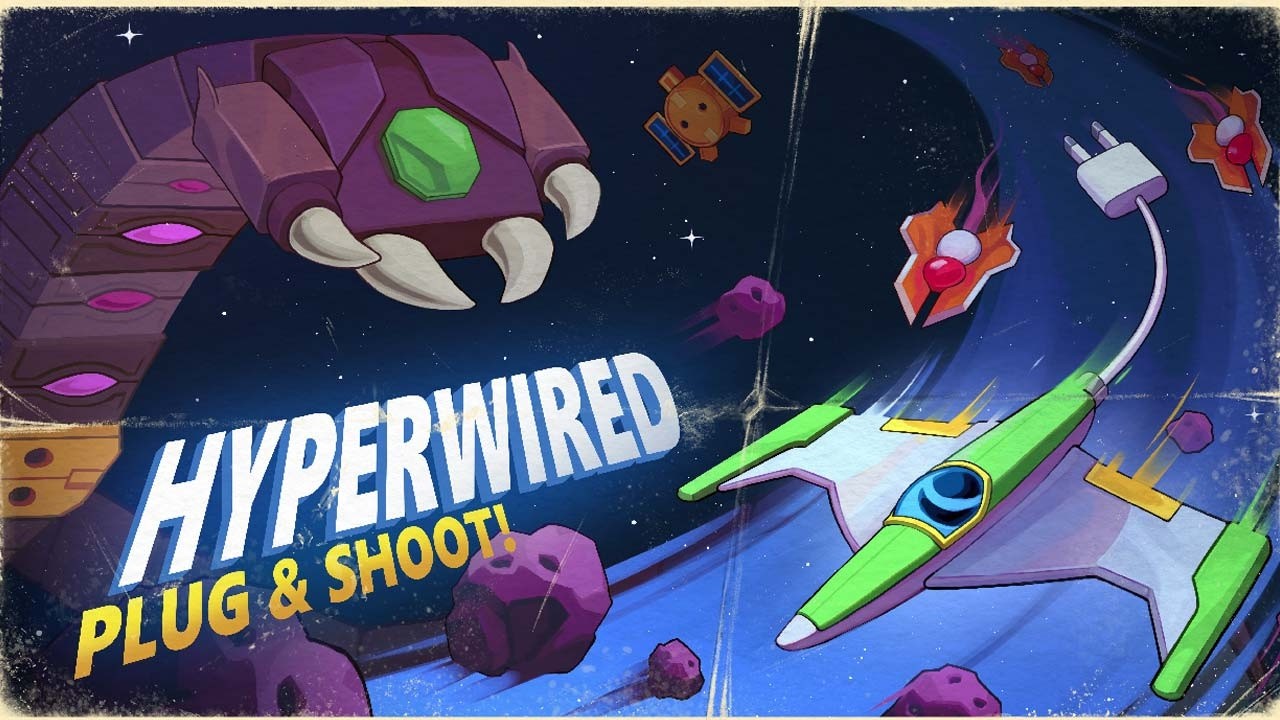
Hyperwired is a post-launch top-down roguelike space shooter where movement is governed by a tether system linked to energy sockets. Across procedural galaxy runs, players manage mid-run upgrades, bullet modifiers, and 12 unlockable ships while navigating high-risk combat encounters on PC and consoles.
A broken galaxy where movement itself becomes the first weapon you lose

HYPERWIRED


When movement turns into something you have to manage carefully
Hyperwired post-launch roguelike space shooter overview from SIDRALGAMES
Hyperwired is a post-launch top-down roguelike space shooter developed by SIDRALGAMES and published via a global multi-platform partnership including SelectaPlay, Entalto Publishing, and Beep Japan Inc. It launched on July 2, 2026 across PC and consoles. The game is built around a tether system that connects movement, combat, and energy into one shared system.
In my playthrough, the biggest change compared to other indie shmup games is how movement is never fully free. Every recharge point forces the ship into a limited radius. During intense fights, I found that reaching the end of the cable breaks momentum completely, turning energy recovery into a risky moment instead of a safe break.
This creates a steady loop where survival depends on timing when to recharge while still watching enemy movement across each sector of space.
A cable, a socket, and why positioning matters so much How the tether system changes combat in a top-down roguelike shooter
The tether system is the core of Hyperwired. Energy goes down while moving, so you need to connect to sockets to refill it. When connected, your movement is limited to a fixed circle based on cable length.
This creates a back and forth rhythm. When free, you move with full control. When tethered, you must survive inside a small space while enemies keep attacking.
Compared to games like Enter the Gungeon and Nuclear Throne, where movement stays fast and open all the time, Hyperwired adds a clear limit during recovery. This changes how danger is handled moment to moment.
How the game is built and why each run feels different Procedural sectors, energy sockets, and roguelike progression
Each run takes place in a procedurally generated galaxy made of different sectors. Progress depends on activating energy sockets, which also act as goals that unlock the next areas.
In my experience, this keeps the game loop simple and direct. You move forward, fight enemies, and manage energy at the same time. Enemy difficulty grows as you go deeper into space.
The Slow-Mo system is part of this loop. It fills up when you collect energy from defeated enemies, which encourages you to stay active in fights instead of playing too safe. In my testing, manually using slow motion was very important when enemy bullets filled the screen while I was still tethered to a socket.
Each run is built from scratch 12 unique ships, mid-run upgrades, and bullet modifiers
Hyperwired uses a run-based structure. All upgrades happen during the run, and nothing carries over except unlocked ships. This means every attempt starts fresh.
During a run, you can pick from more than 40 upgrades. These change how your ship behaves for that session only.
Common upgrades include faster energy recharge, stronger weapons, longer cable range, stealth options, and defensive boosts. Each choice changes how the run plays out, but nothing stays permanent.
The game also uses more than 250 bullet modifier combinations. These change how shots behave, including spread, speed, and impact effects, which keeps combat from feeling the same across runs.
Long-term progression comes from 12 unique ships. Each ship plays differently and changes how you handle movement, combat, and upgrades.
Where Hyperwired fits in the genre Comparing tether-based roguelike design to other indie shmups
In the indie shmup and roguelike space, Hyperwired stands out because it limits movement during key moments instead of keeping it fully open. Games like Vampire Survivors reduce control complexity, while Nuclear Throne focuses on constant movement and speed.
Hyperwired instead builds tension around when movement is taken away. This makes recovery moments more dangerous, especially when energy is low.
Procedural generation also helps keep each run fresh, since enemy placement and layouts change every time.
Clear visuals even when things get chaotic Pixel art readability, combat feedback, and effects
The pixel art style is focused on clarity. Even when there are many bullets on screen, enemies and hazards are still easy to see.
This matters most when you are tethered, since your movement is limited and you rely more on reading the screen to survive.
Different sectors also keep visual elements clear, with sockets, enemies, and hazards all easy to separate during gameplay.
Final Verdict Hyperwired post-launch roguelike space shooter review
Hyperwired is a top-down roguelike space shooter built around a tether system that links movement and energy. It combines procedural levels, mid-run upgrades, and weapon modifiers into one connected structure.
In my experience, the key idea is simple: movement and energy are always connected. This creates a steady risk and reward loop in every fight.
As a post-launch release on PC and consoles, it delivers a clear mechanical identity built on restriction rather than free movement, while still keeping each run varied.
The VoxOdyssey Project Mission Statement for Feature games
I highlight what makes each game unique by examining gameplay mechanics, design choices, and storytelling. By analyzing systems, level design, and play styles, and referencing official media and assets, I aim to provide accurate, informative, and trustworthy insights. While I strive for accuracy, some details may change or be updated over time. Players can use this information to understand each title’s features and mechanics and make their own judgments.
Hyperwired gameplay screenshots Tether-based space combat, procedural sectors, and roguelike action


Hyperwired trailer – tether-based roguelike space combat and procedural galaxy action
Watch Hyperwired gameplay in motion, showing cable-based movement, socket recharging, and fast roguelike space combat across procedural sectors. The video below gives a clear look at how each run changes through upgrades, bullet modifiers, and tight energy management.