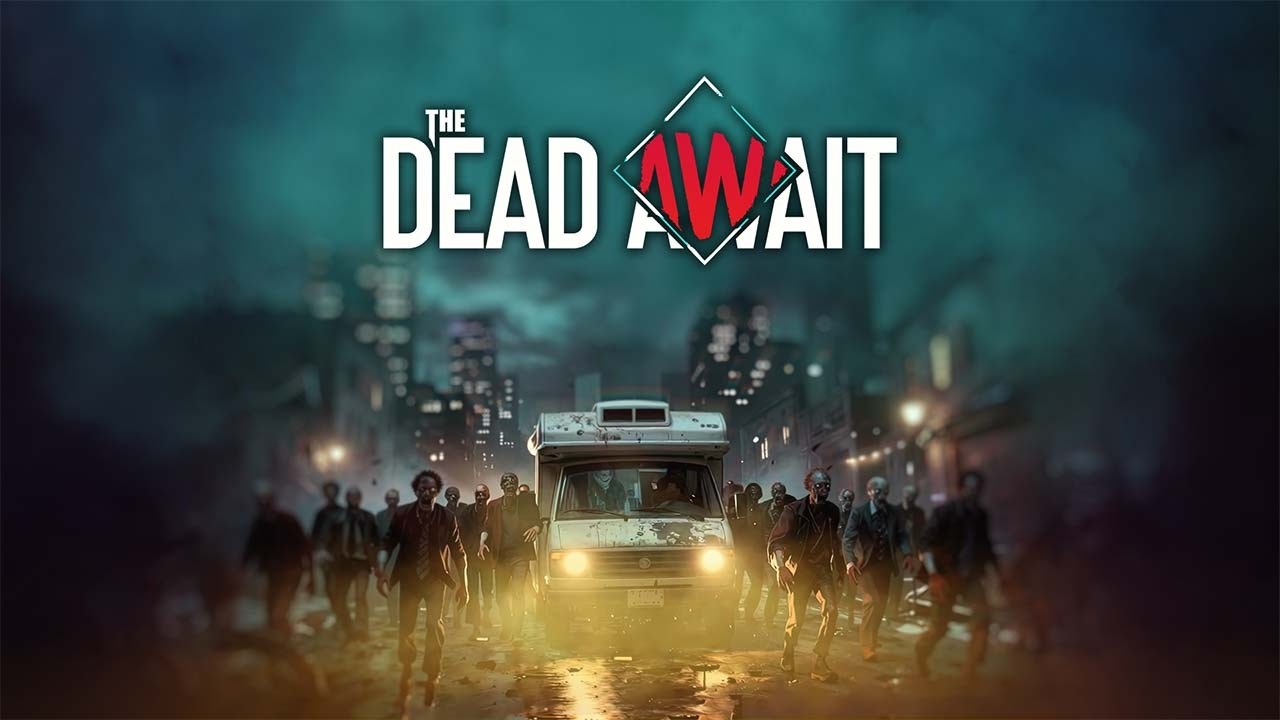
The Dead Await – Open World Survival Horror Deckbuilding RPG System
Post-apocalyptic survival RPG combining card battler combat, caravan management, and resource-driven strategy systems
The Dead Await is a survival horror deckbuilding RPG set in a zombie apocalypse, where players manage a caravan, build tactical card decks, and navigate an open world shaped by scarcity, crafting systems, and faction-driven survival routes.
Every journey is a risk — survival depends on every decision you make on the road ahead

The Dead Await


Survival in The Dead Await is shaped by caravan travel and open world RPG systems Resource pressure, deckbuilding combat, and exploration decisions drive progression
The Dead Await is a Survival Horror, Strategy RPG, and Deckbuilding Card Game developed by Shotx using the GameMaker engine over a multi-year production cycle. Structurally, it sits within the post-apocalyptic survival genre where systemic resource management, party-based progression, and environmental pressure loops determine player outcomes rather than linear narrative pacing. The game is positioned within a Singleplayer Open World framework where survival is dictated by logistics, encounter routing, and tactical decision-making across a fractured zombie-infested landscape. Its design aligns with survival simulation principles found in systems-driven RPGs where resource scarcity and attrition form the foundation of progression rather than scripted mission advancement.
Deckbuilding combat ties directly into survival pressure during every encounter Cards, injuries, and resources influence tactical decisions in real time
At the core of The Dead Await is a Deckbuilding Card Battler system integrated into Survival RPG mechanics. Combat operates as a turn-based structure where card sequencing, resource availability, and character state conditions determine encounter outcomes. Unlike traditional card game systems that isolate decks from environmental systems, this design links card performance directly to survival conditions such as injury status, inventory capacity, and resource depletion. This creates a Combat loop where tactical efficiency is shaped by broader Survival Horror constraints rather than isolated encounter rules. Crafting systems, Loot acquisition, and Inventory Management directly influence deck composition, reinforcing a feedback cycle between exploration and combat readiness. This structural integration reflects a genre hybridization trend where Strategy RPG systems are embedded within survival-driven open world frameworks.
Caravan travel replaces base building with long-form survival planning across the map Fuel use, routing, and supplies define how far and safely you can travel
The Dead Await replaces traditional Base Building systems with a caravan-driven mobility structure that functions as a persistent survival hub. This system transforms Open World exploration into a logistics-driven progression model where movement across zones is constrained by fuel consumption, resource availability, and inventory limits. Settlement hubs and travel routes act as system nodes rather than static safe zones, requiring players to continuously evaluate risk versus resource gain. This design aligns with survival logistics frameworks where survival is determined by efficiency of movement and supply chain management. Crafting and Resource Management systems extend this loop by allowing players to convert gathered materials into consumables, gear upgrades, and survival tools that directly influence travel viability.
Progression links character growth, deck evolution, and caravan upgrades together Higher level caps and customization expand long-term RPG strategy options
Progression in The Dead Await is structured across interconnected systems including character leveling, Deckbuilding expansion, and caravan system upgrades. The 1.0 release increases the level cap from 10 to 20, extending perk distribution and enabling more specialized build configurations across party roles. Character Customization is driven through attribute allocation and skill progression, while card acquisition expands tactical options within combat encounters. Caravan upgrades function as system-wide modifiers, affecting travel efficiency, storage capacity, and survival sustainability. These layered progression systems ensure that advancement is not isolated to combat performance but distributed across exploration, survival logistics, and tactical deck refinement, reinforcing a multi-system RPG architecture.
Factions, loot, and world events keep each playthrough unpredictable Reputation and random encounters shape exploration and survival outcomes
Replayability in The Dead Await is supported through faction reputation systems, procedural encounter variation, and resource scarcity cycles. Open World exploration is structured around dynamic event generation that alters enemy placement, loot distribution, and survival conditions across repeated runs. Faction-based progression introduces branching mission structures where alignment influences available resources, rewards, and traversal opportunities. Loot systems reinforce variability by altering equipment availability and crafting potential across different zones. The inclusion of structured challenge modes such as the Arena further extends replay depth by isolating combat encounters from exploration systems, creating repeatable high-intensity survival scenarios that test deckbuilding efficiency and tactical execution under constrained conditions.
Environmental storytelling builds the world through ruins, settlements, and survival systems Each location works as both narrative space and gameplay challenge
The narrative structure of The Dead Await is embedded within a post-apocalyptic Survival Horror framework where environmental collapse defines both thematic and mechanical systems. The world is composed of fragmented zones including ruined cities, survivor settlements, and contested territories, each functioning as operational nodes for quests, resource acquisition, and combat encounters. Narrative progression is delivered through environmental interaction rather than linear exposition, ensuring that story advancement is tied directly to survival outcomes and exploration success. Dynamic events and encounter variation ensure that environmental traversal remains unpredictable, reinforcing systemic immersion where narrative context emerges through gameplay systems rather than scripted storytelling sequences.
Final verdict A connected survival RPG where deckbuilding, exploration, and logistics shape every decision
The Dead Await functions as a multi-system Survival Horror Deckbuilding RPG where Open World exploration, Card Battler combat, crafting systems, and resource management are structurally interdependent rather than isolated gameplay layers. Developed by Shotx using the GameMaker engine across a multi-year production cycle, it represents a systems-driven survival design approach focused on logistics, attrition, and tactical decision-making under constrained resources. The caravan-based progression model replaces static base building with mobile survival infrastructure, while deckbuilding mechanics govern combat resolution through resource-dependent card systems. The 1.0 expansion increases progression depth through expanded level caps, additional zones, and broader systemic refinement. Within the indie survival RPG landscape, it stands as a structured example of integrated survival systems where exploration, combat, and resource management operate within a single cohesive gameplay architecture.
The VoxOdyssey Project Mission Statement for Feature games
I highlight what makes each game unique by examining gameplay mechanics, design choices, and storytelling. By analyzing systems, level design, and play styles, and referencing official media and assets, I aim to provide accurate, informative, and trustworthy insights. While I strive for accuracy, some details may change or be updated over time. Players can use this information to understand each title’s features and mechanics and make their own judgments.
The Dead Await screenshots show survival horror deckbuilding RPG systems in action Caravan travel, card battler combat, and open world resource management


The Dead Await Trailer – Open World Survival Horror Deckbuilding RPG
Watch The Dead Await in action as survivors navigate a post-apocalyptic world filled with zombie threats, caravan travel, and deckbuilding combat systems. The trailer below showcases exploration, resource management, and tactical card battler encounters across the wasteland.