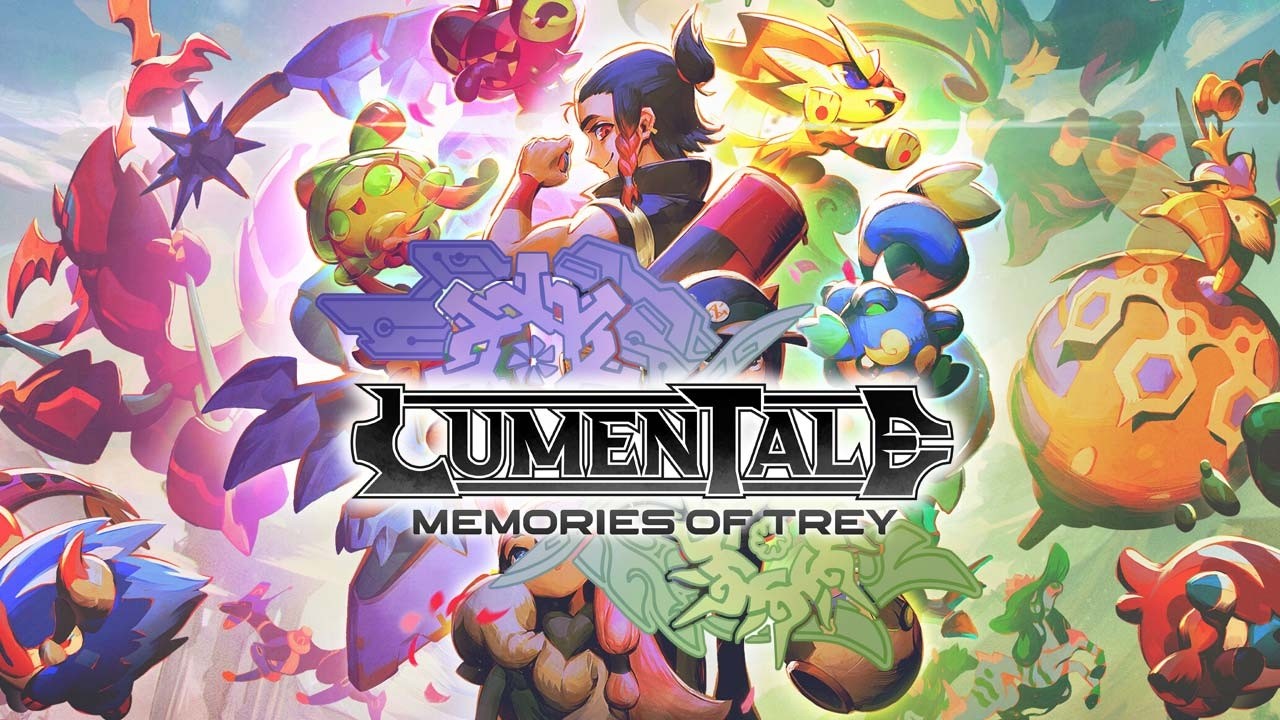
LumenTale: Memories of Trey – Creature Collector RPG Turn-Based Combat System Analysis
Turn-based creature collector RPG featuring dynamic Turn Cycle combat, Animon evolution systems, and exploration across the fractured world of Talea
LumenTale: Memories of Trey is a creature collector RPG from Beehive Studios and Team17 built around tactical Turn Cycle combat, Animon progression systems, elemental variability, and narrative exploration through memory-driven regions in Talea.
Step into Talea and uncover how every system layer reshapes your strategy

LumenTale: Memories of Trey


Creature collector RPG systems shape every step of progression across Talea Combat, exploration, and Animon growth all connect through one structured gameplay loop
LumenTale: Memories of Trey is positioned as a creature collector RPG developed by Beehive Studios and published by Team17, structured around tactical turn-based combat systems, exploration-driven progression, and narrative reconstruction within the fantasy world of Talea. From a genre classification standpoint it aligns with JRPG, RPG, and adventure design frameworks while maintaining a systems-first architecture where progression is determined by mechanics rather than linear storytelling emphasis. The structure integrates creature acquisition, combat resolution, and world traversal into a unified RPG loop centered on the Animon system and the protagonist Trey’s memory-driven journey.
Turn-based combat built around a dynamic Turn Cycle that keeps every decision moving Speed, timing, and action choices constantly reshape how each battle unfolds
At the core of the combat framework is a dynamic Turn Cycle system where each action contributes to the recalculation of initiative and combat flow. Unlike static JRPG turn order models, sequencing is continuously updated after command resolution, creating variable turn outcomes based on speed priority and action selection. The system integrates SP resource management, switch mechanics, item usage, and pass actions into a unified combat loop where each decision directly influences subsequent Turn Cycle states. This structure places emphasis on tactical planning and timing consistency across both 1v1 and 4v4 encounter formats, expanding strategic complexity through multi-unit interaction and resource distribution.
Capturing Animon blends strategy, timing, and preparation into one system Every encounter ties together weakening enemies, Holoken use, and timing-based capture moments
Creature acquisition is handled through the Holoken capture system, where wild Animon appear across exploration zones including plains, caves, and water environments. Capture resolution is influenced by multiple system layers including combat weakening, item-based modifiers, and Quick Time Event input that adjusts success probability. This creates a hybrid acquisition structure where deterministic preparation and performance-based execution interact within the same system. Once captured, Animon progress through experience-based leveling, stat allocation, and evolution mechanics that support specialization into physical, defensive, or special attack roles, reinforcing long-term team composition strategy within the creature collector RPG framework.
Talea feels structured yet layered, with story and regions shaped by faction conflict Logos and Mythos influence how areas play, while Anispace keeps progression running in the background
The world of Talea is structured as a segmented RPG environment defined by the conflict between Logos and Mythos, where regional zones function as discrete progression units rather than continuous exploration space. Each region integrates encounter systems, narrative triggers, and progression gates tied to exploration advancement. The Anispace subsystem operates as a parallel creature management environment, separating training and stat development from overworld traversal while maintaining progression continuity. Narrative structure is driven by memory reconstruction mechanics centered on Trey, aligning personal progression with broader factional world-state development.
A lightweight technical setup supports smooth play across a wide range of PCs 2.5D visuals keep things clear in combat while maintaining a small install size
The visual system is built on a 2.5D pixel graphics framework designed to balance environmental clarity with performance efficiency. Layered depth simulation is achieved without full 3D rendering overhead, allowing exploration environments and combat scenes to maintain readability during high-information encounters. This approach supports optimized asset management and contributes to a compact installation size of approximately 2 GB. System requirements reflect this optimization focus, with baseline specifications centered around mid-range CPU and GPU configurations capable of maintaining stable performance at 1080p resolution targets.
Final verdict A focused creature collector RPG built on clear systems, steady progression, and tactical combat depth
LumenTale: Memories of Trey functions as a systems-driven creature collector RPG where progression is determined by the interaction of combat mechanics, creature development, and structured world traversal. The dynamic Turn Cycle combat system introduces recalculated tactical sequencing, while the Animon system establishes long-term progression through capture, leveling, and evolution mechanics. World structure reinforces segmented exploration through Talea’s faction-based design, and the Anispace system separates management layers for extended progression control. Across its combined systems, the game presents a unified RPG architecture focused on tactical decision-making, structured progression loops, and modular design consistency.
The VoxOdyssey Project Mission Statement for Feature games
I highlight what makes each game unique by examining gameplay mechanics, design choices, and storytelling. By analyzing systems, level design, and play styles, and referencing official media and assets, I aim to provide accurate, informative, and trustworthy insights. While I strive for accuracy, some details may change or be updated over time. Players can use this information to understand each title’s features and mechanics and make their own judgments.
LumenTale: Memories of Trey screenshots highlight creature collector RPG systems in action Turn-based combat, Animon capture mechanics, and exploration across Talea regions


LumenTale: Memories of Trey Trailer – Creature Collector RPG Combat and Exploration
Watch LumenTale: Memories of Trey in motion as Turn Cycle combat, Animon capture systems, and exploration across Talea come together. The trailer below shows key systems in action, with more details and breakdowns continuing further on the page.