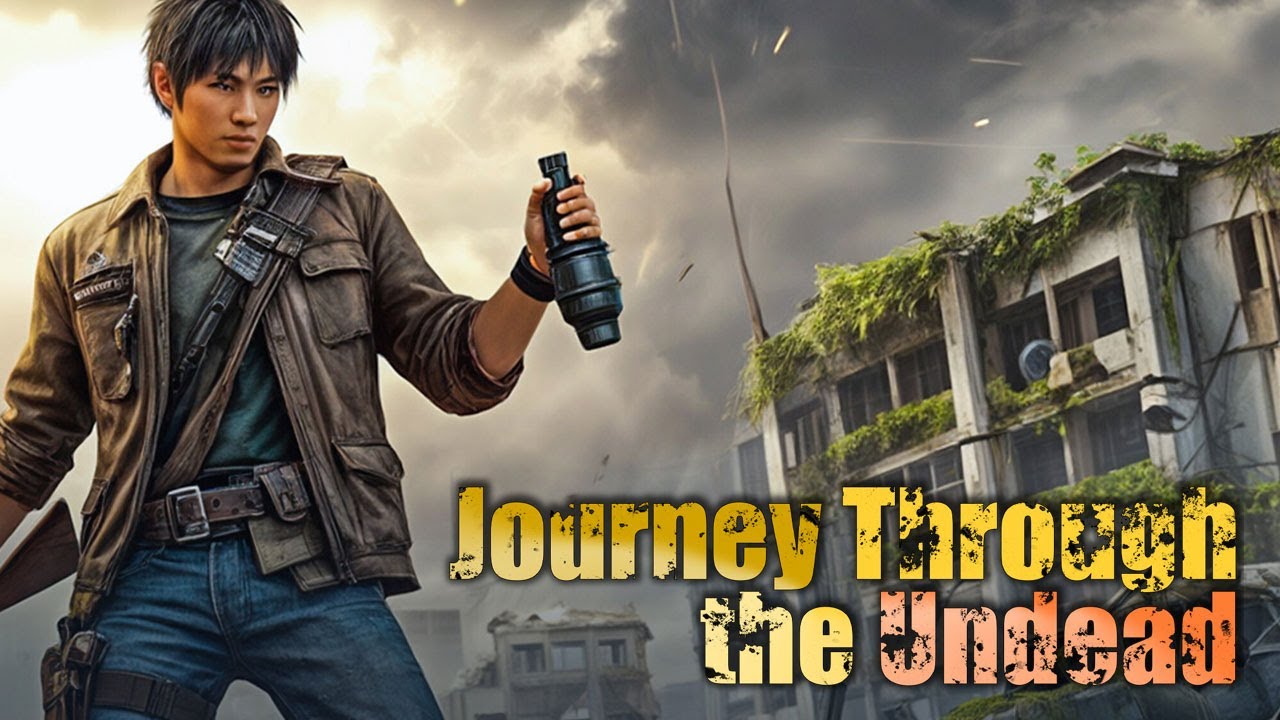
Journey Through the Undead – First-Person Zombie Survival Shooter
Fight through a linear post-apocalyptic world in a cinematic zombie survival shooter built with Unreal Engine 5.
Journey Through the Undead is a first-person zombie survival game featuring linear missions, intense combat, and photorealistic environments as players navigate ruins and swamps after a failed experiment.
Enter the outbreak and see how far survival really goes.

Journey Through the Undead


Focused Combat Systems in Journey Through the Undead A Linear First-Person Zombie Shooter Built on Controlled Encounters
Journey Through the Undead centers on structured combat rather than open-ended survival systems. Each mission introduces staged encounters where enemy placement and pacing are deliberate. If positioning is ignored, then encounters quickly escalate, reinforcing movement and awareness as core survival factors.
High-Lethality Combat and Risk Management Balancing Firearms, Melee Timing, and Environmental Hazards
Combat emphasizes efficiency over endurance. Firearms provide immediate control, while melee attacks introduce slower animation timing that creates exposure to damage. If close-range engagement is misjudged, then player vulnerability increases, encouraging calculated use of distance and terrain.
Linear Mission Design and Cinematic Progression Nine Structured Levels Drive Pacing and Encounter Flow
Progression follows a fixed path across distinct environments, moving from urban ruins to hostile swamplands. Each mission is designed to escalate tension through controlled sequencing. If pacing is rushed, then environmental context is reduced, reinforcing the importance of steady progression.
Environmental Storytelling Through Visual Decay A Failed Experiment Revealed Through Ruins and Mutation
Narrative elements are embedded in the environment rather than delivered through direct exposition. Abandoned locations and altered landscapes communicate the aftermath of a failed experiment. If environmental detail is overlooked, then narrative clarity becomes fragmented, linking exploration to understanding.
Unreal Engine 5 Rendering and Visual Ambition Nanite Geometry and Lumen Lighting Shape Atmosphere
The game utilizes Unreal Engine 5 technologies to produce dense environments and dynamic lighting conditions. These systems influence both visual tone and gameplay readability. If hardware struggles to maintain performance, then lighting consistency and clarity may fluctuate during complex scenes.
Resource Management and Survival Pressure Health, Ammunition, and Timing Define Player Longevity
Survival depends on maintaining control over limited resources. Health kits and consumables provide recovery, but cannot compensate for repeated errors. If resources are used without planning, then later encounters become increasingly restrictive, reinforcing discipline over reaction.
Immersion Systems and HUD Flexibility Interface Control Supports a Minimalist Player Experience
The ability to disable the HUD shifts reliance toward environmental awareness and audio cues. This design reduces interface dependency while increasing tension. If visual indicators are removed, then situational awareness becomes entirely player-driven.
AI-Assisted Production and Development Transparency Limited Use of AI Within a Handcrafted Gameplay Framework
The developer has disclosed that AI-generated content was used for select voice lines, minor textures, and promotional assets. Core gameplay systems and environments remain manually developed. If this distinction is ignored, then the production scope may be misinterpreted.
Performance Scaling and Hardware Demands UE5 Systems Require Mid-to-High Tier PC Configurations
The technical profile targets a wide hardware range, from GTX 980 Ti minimum to RTX 3090 recommended configurations. CPU, memory, and GPU performance directly affect lighting stability and encounter consistency. If systems operate near minimum specifications, then performance variation becomes more noticeable.
Replayability Through Execution and Efficiency Mastering Encounters Within a Fixed Structure
Replay value is driven by refining movement, resource usage, and encounter strategies rather than discovering new paths. The linear structure remains consistent across playthroughs. If earlier runs lack efficiency, then subsequent attempts provide opportunities for optimization.
Final Verdict A Focused Linear Zombie Shooter Defined by Technical Ambition
Journey Through the Undead delivers a tightly structured first-person zombie survival experience built on controlled pacing, high-lethality combat, and Unreal Engine 5 visual systems. Its strengths lie in focused design and environmental presentation, while community reception reflects the challenges of balancing technical ambition with consistent execution. The result is a compact, visually driven shooter that prioritizes clarity and structure over systemic complexity.
The VoxOdyssey Project Mission Statement for Feature games
I highlight what makes each game unique by examining gameplay mechanics, design choices, and storytelling. By analyzing systems, level design, and play styles, and referencing official media and assets, I aim to provide accurate, informative, and trustworthy insights. While I strive for accuracy, some details may change or be updated over time. Players can use this information to understand each title’s features and mechanics and make their own judgments.
Journey Through the Undead – Zombie Survival Shooter Gameplay Screenshots highlight first-person combat, linear missions, and post-apocalyptic environments


Journey Through the Undead Trailer – First-Person Zombie Survival Gameplay
Enter a world overrun by the undead and watch combat, exploration, and survival systems unfold. Play the trailer below to see how each mission escalates.