

GwenBlade: Halloween (GwenBlade 2) – Roguelike Action Horror Game
Balance university life and DreamWorld combat in a 31-day roguelike survival structure
GwenBlade: Halloween (GwenBlade 2) is a PC roguelike action game by ArcWillow combining university simulation with DreamWorld combat systems. Players manage daily academic life while facing hack and slash encounters, character progression choices, and escalating supernatural threats over a fixed 31-day timeline.
Step into the DreamWorld and uncover what happens when the nights take over the university

GwenBlade: Halloween


GwenBlade: Halloween mixes university life with roguelike combat across a 31-day structure A PC action game built around daily progression and DreamWorld fights
GwenBlade: Halloween (GwenBlade 2) is a PC roguelike action game developed and published by ArcWillow. It combines university life simulation with combat in a separate DreamWorld mode. The game is structured around a fixed 31-day timeline that controls how progression and difficulty develop over time.
The game uses a simple daily loop. During the day, players take part in university activities and improve character stats. At night, the game shifts into combat where players fight enemies in the DreamWorld. These two parts are directly linked, since progress in one affects performance in the other.
Instead of using separate levels or chapters, the game moves forward through days. Each day adds progress and also increases pressure from events tied to the university setting. Over time, the situation becomes more serious as disappearances linked to the university increase within the 31-day limit.
The structure is built around repetition with change. The same cycle repeats, but character growth and enemy difficulty shift over time. This keeps the system consistent while still allowing different outcomes depending on player choices.
Combat takes place in the DreamWorld with fast melee action and build choices Encounters change based on movement, timing, and character setup
Combat in GwenBlade: Halloween is focused on fast melee attacks and combo chains. Players need to time attacks and manage movement rather than rely on simple button input. The way combat feels depends heavily on how the character is built through stats and abilities.
Enemies in the DreamWorld include types such as DevilGuardians and KillingThoughts. These enemies appear in different combinations and create pressure during fights. As the game progresses, these encounters become harder and require better use of movement and timing.
Movement is also an important part of combat. Systems like Memory Rails allow faster travel through parts of the DreamWorld and help players reposition during fights. This makes combat less static and gives more control over positioning.
Character customization affects how combat plays out. Players choose stats and abilities that shape their play style. These choices made during university sections directly affect how well they perform in combat later.
Because of this, combat is not separate from progression. It is part of the same system, where preparation during the day leads into action at night.
The 31-day system controls progression and replay structure Each run follows the same timeline but changes based on build choices
The full game takes place over 31 in-game days. This fixed timeline controls how the story and gameplay progress. Each day adds small changes that build toward the end of the experience.
Replay value comes from different character builds. Players can choose different stat paths and abilities, which changes how combat plays out. Even though the timeline stays the same, each run can feel different because of these choices.
As days pass, the game becomes harder. Enemy pressure increases and the player must adjust their build and strategy. This creates a steady rise in difficulty without changing the core structure of the game.
The system is designed to encourage replay. Players can test different builds to see how they handle the same timeline in different ways.
The story focuses on isolation and events tied to the university A simple structure that grows more intense over time
The story starts with a character who has moved to a new city and is adjusting to life at a university. At first, everything seems normal, but over time, strange events begin to appear.
Disappearances connected to the university become more frequent as the 31-day timeline progresses. This creates a steady shift in tone as the situation becomes more serious.
The DreamWorld reflects these changes through combat encounters and environments. It acts as another layer of the same world rather than a separate story mode.
Story progression is tied directly to gameplay. As the player moves through days, both the narrative and gameplay difficulty change together.
Technical setup and system requirements are lightweight Designed to run on older and mid-range PCs
GwenBlade: Halloween runs on Windows PC and is designed for a wide range of systems. The minimum requirements include Windows 10, an Intel Core 2 Duo 2.4 GHz or AMD Athlon X2 2.8 GHz processor, 4 GB of RAM, and a graphics card similar to NVIDIA GeForce 8800 GTS or ATI Radeon HD 3850.
The game requires 1 GB of storage space. This small size reflects a lightweight design focused on performance rather than high-end visuals. It is made to run on older hardware without heavy system demands.
Because of these requirements, the game is accessible to many PC users. It does not rely on modern high-end hardware and keeps performance requirements low across its systems.
Final verdict A structured roguelike built on simple systems and steady progression
GwenBlade: Halloween (GwenBlade 2) is built around a clear loop that connects university life with combat in the DreamWorld. The 31-day timeline controls how the game progresses and how difficulty increases.
The main strength of the game is how its systems connect. What happens during the day affects combat at night, and combat results feed back into progression. This creates a steady cycle from start to finish.
The game does not rely on complex systems or heavy mechanics. Instead, it focuses on repeating a simple structure with small changes based on player choices.
Overall, GwenBlade: Halloween is a roguelike action game focused on repetition, character building, and a fixed timeline structure. Its design is built around consistent systems that work together across the entire experience.
The VoxOdyssey Project Mission Statement for Feature games
I highlight what makes each game unique by examining gameplay mechanics, design choices, and storytelling. By analyzing systems, level design, and play styles, and referencing official media and assets, I aim to provide accurate, informative, and trustworthy insights. While I strive for accuracy, some details may change or be updated over time. Players can use this information to understand each title’s features and mechanics and make their own judgments.
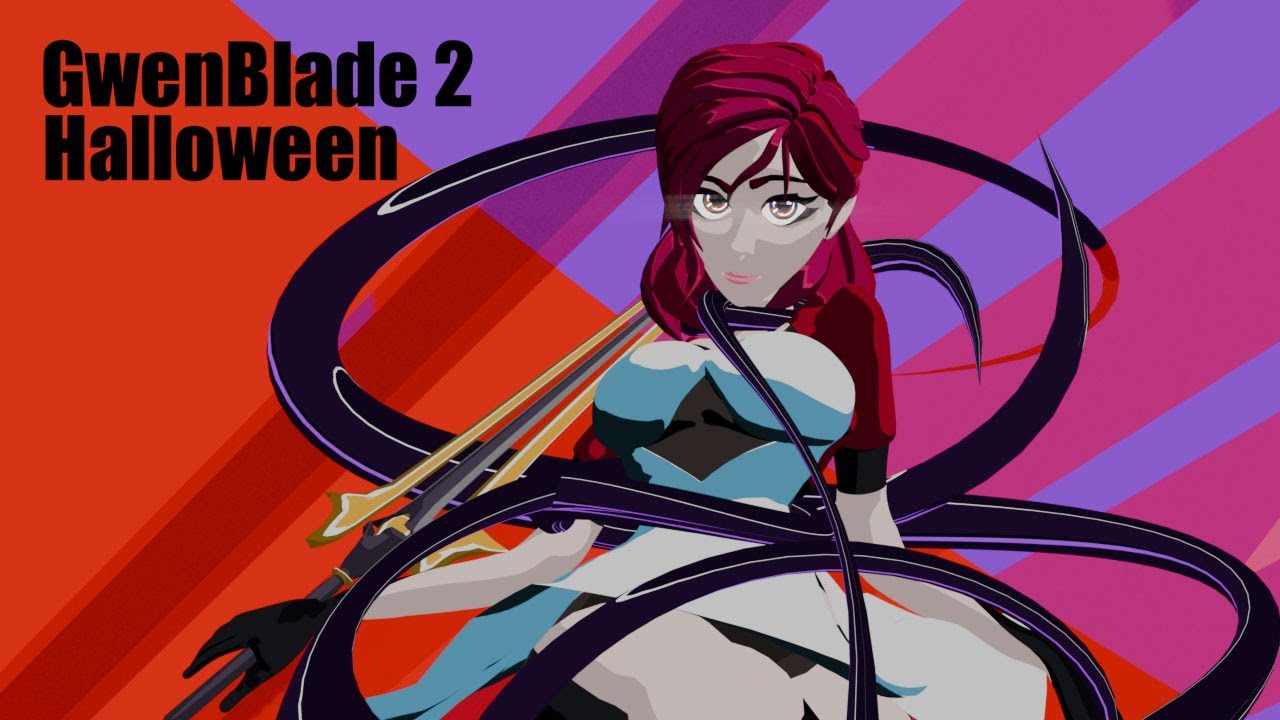
GwenBlade: Halloween gameplay screenshots showing university life and DreamWorld combat Roguelike action, character builds, and 31-day progression system in action


GwenBlade: Halloween Trailer – Roguelike Action, DreamWorld Combat, and 31-Day Survival
Watch GwenBlade: Halloween in action as university life transitions into DreamWorld combat each night. See fast melee fights, character builds, and the 31-day structure that drives progression. The video below shows how both systems connect during gameplay.

Stay connected with GwenBlade: Halloween


