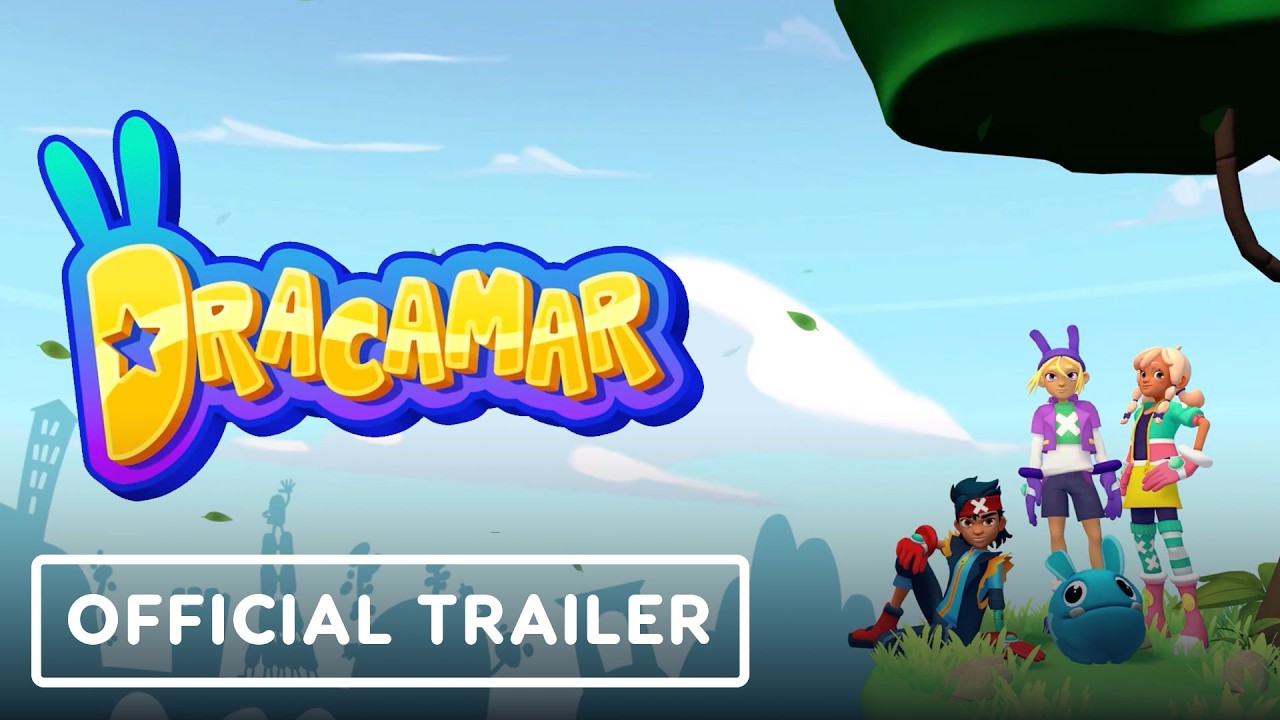
Dracamar – Mediterranean-Inspired 3D Action-Adventure Platformer
Explore island worlds, restore bridges with Moki-balls, and battle King Crad in a family-friendly fantasy adventure
Dracamar is a 3D action-adventure platformer set across Mediterranean-inspired islands, featuring exploration, collectible-driven progression, and environmental restoration as players guide heroes through a journey to defeat King Crad.
Jump between islands, uncover secrets, and rebuild a broken world one bridge at a time

Dracamar


Dracamar focuses on island exploration across a Mediterranean-inspired world built around restoration and platforming A 3D action-adventure platformer where collecting Moki-balls and rebuilding bridges drives steady, hands-on progression
Dracamar is a 3D action-adventure platformer developed by Petoons Studio in collaboration with 3Cat, positioned within the contemporary landscape of family-friendly exploration games. The structure is built around singleplayer fantasy exploration across a network of Mediterranean-inspired islands, where progression is tied to movement, collection, and environmental restoration. Rather than relying on complex narrative branching or layered systems, the game focuses on a consistent loop of traversal, rescue objectives, and reconstruction mechanics that define its core identity. Players move through segmented island environments designed around platforming challenges, enemy encounters, and collectible-driven advancement.
Exploring islands in Dracamar is closely tied to collecting Moki-balls and restoring broken bridges Progress comes from rebuilding connections between islands through simple, collectible-driven progression
At the core of Dracamar is its restoration-based gameplay in 3D island worlds, where progression depends on collecting Moki-balls to rebuild bridges and reconnect separated landmasses. This system transforms exploration into a structured objective loop, where movement across Mediterranean island environments is directly tied to environmental recovery. The islands function as discrete but interconnected spaces, each containing platforming sequences, traps, and hidden collectibles. This approach places the game within a broader category of wholesome 3D adventure games with Moki-ball mechanics, where collection and reconstruction define advancement rather than traditional upgrade systems or skill trees.
Dracamar uses character-driven platforming with three heroes and a supportive companion guiding the adventure Caliu, Foc, Espurna, and Iko shape movement, combat, and progression across the island world
Dracamar features three playable characters—Caliu, Foc, and Espurna—who collectively form the foundation of its gameplay identity. Their design supports a cartoony action-adventure structure where movement and interaction remain consistent across the cast rather than introducing complex mechanical divergence. The inclusion of Iko, a companion Oki with supportive abilities, adds a layer of guided progression, reinforcing the game’s positioning as a cute third-person fantasy game about rescuing magical creatures. This character structure supports cooperative storytelling in a singleplayer action platformer format, where narrative progression is communicated through interaction and environmental change rather than dialogue-heavy exposition.
Dracamar’s level design blends environmental puzzles, combat, and hidden exploration paths Fifteen main levels and bonus stages create a steady platforming structure with secrets to discover
The game is structured around 15 main levels and 5 secret bonus stages, each designed to integrate environmental puzzles with platforming traversal and light combat encounters. This creates a colorful platformer with secret levels and boss encounters structure, where optional exploration paths reward thorough engagement with each island. Hazards, enemy placements, and collectible positioning are arranged to encourage repeat traversal, supporting both casual completion and deeper exploration. The inclusion of seven boss encounters, including battles against King Crad, introduces escalation points that punctuate the exploration flow without shifting the game away from its accessibility-focused design.
Dracamar’s world design draws from Mediterranean-inspired islands to create a distinct visual identity Cliffs, coastlines, and island landscapes reflect regional influences and natural environmental design
Dracamar’s world design is strongly influenced by Mediterranean-inspired video games, with environments that draw from coastal geography, mountainous terrain, and island-based ecosystems. This establishes a consistent visual identity across its exploration spaces, where bridges, cliffs, and natural formations define traversal routes. The aesthetic supports its positioning as a cute 3D adventure game, emphasizing clarity, color, and readability in level design. Environmental storytelling is embedded through layout and structure rather than explicit narrative exposition, allowing the islands themselves to communicate progression and world state changes.
Dracamar’s progression focuses on collectibles, completion, and an accessible family-friendly design Advancement is driven by hidden items, optional challenges, and steady exploration-based progression
Progression in Dracamar aligns with family-friendly platformers 2026 design expectations, where accessibility and structured challenge coexist. The Moki-ball system functions as both a progression gate and exploration incentive, ensuring that advancement requires engagement with environmental content. Hidden medals, optional challenges, and secret areas expand replayability without introducing complex systems. This positions the game within casual exploration games for PC and modern consoles, where completionism is driven by discovery and environmental mastery rather than statistical optimization or mechanical difficulty scaling.
Final Verdict A structured 3D island platformer focused on exploration, restoration, and accessible fantasy adventure gameplay
Dracamar establishes itself as a Mediterranean island exploration game for families that prioritizes clarity, structured progression, and environmental restoration mechanics. Its combination of collectible-driven advancement, character-based platforming, and island reconstruction systems creates a cohesive framework that supports both casual engagement and completion-focused play. While its systems remain intentionally accessible, the game maintains depth through layered level design, secret content, and boss encounters. As a result, it fits within the broader category of modern 3D action-adventure platformers that emphasize readability, cultural inspiration, and structured exploration over complexity or mechanical overload.
The VoxOdyssey Project Mission Statement for Feature games
I highlight what makes each game unique by examining gameplay mechanics, design choices, and storytelling. By analyzing systems, level design, and play styles, and referencing official media and assets, I aim to provide accurate, informative, and trustworthy insights. While I strive for accuracy, some details may change or be updated over time. Players can use this information to understand each title’s features and mechanics and make their own judgments.
Dracamar Screenshots Show 3D Island Exploration and Platforming Across Mediterranean Worlds Moki-ball collection, bridge restoration, and fantasy character movement in action


Dracamar Trailer – Mediterranean Islands, 3D Platforming, and Fantasy Adventure Exploration
Follow Caliu, Foc, and Espurna across island worlds filled with platforming, Moki-ball collection, and bridge restoration. Watch the trailer below to see the adventure unfold, then dive deeper into the gameplay.