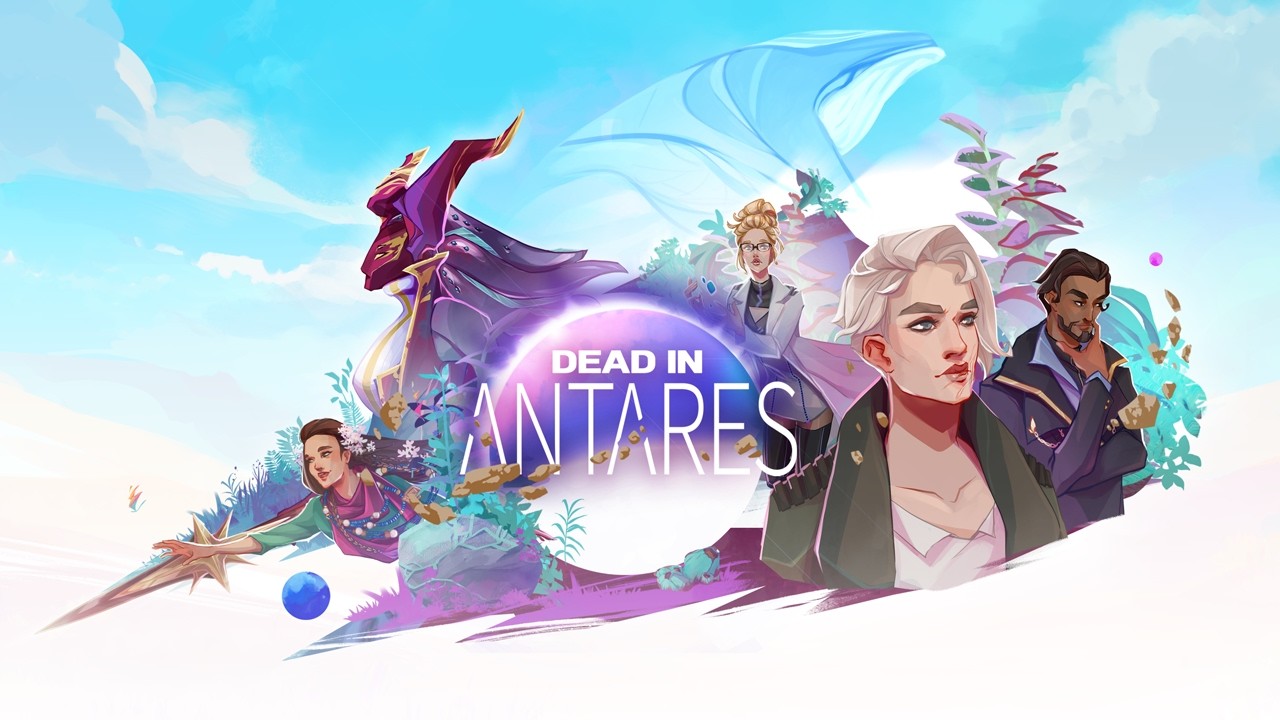
Dead in Antares Review – Turn-Based Survival RPG on an Alien Planet
Manage a crew, balance resources, and engage in tactical combat in this sci-fi survival RPG
Dead in Antares, developed by Ishtar Games and published by Nacon, challenges players to lead a crew stranded on an alien planet. Plan exploration, manage needs, face tactical battles, and make story decisions that shape survival and multiple endings.
Explore Dead in Antares’ survival systems, tactical combat, crew management, and branching storylines in this full review

Dead in Antares


Dead in Antares by Ishtar Games – Turn-Based Survival Management and Tactical RPG Resource Management, Crew Strategy, and Alien Planet Exploration
Dead in Antares, developed by Ishtar Games and published by Nacon, is a singleplayer turn-based survival management RPG. Players command a crew of survivors stranded on an alien planet after a mission to save humanity goes awry. The game emphasizes needs management, strategic decision-making, and tactical combat over linear action. Every choice—from resource allocation to exploration planning—directly impacts survival, creating a cohesive simulation experience where management and narrative are tightly integrated.
Crew Management and Interpersonal Dynamics Teamwork Mechanics, Morale, and Relationship Systems
The core of Dead in Antares is crew management. Each of the ten playable characters has distinct traits, skills, and personalities that influence efficiency and interactions. Players balance physical needs, exhaustion, and mental health while assigning tasks and managing workstations. Relationship mechanics track interactions between character pairings, producing over 135 unique dialogues that affect morale, cooperation, and narrative outcomes. Strategic pairing can unlock benefits, while neglect or conflict may escalate into crises, making choices meaningful for both gameplay and story progression.
Resource Management and Camp Development Workstations, Crafting, and Survival Systems
Starting with a damaged spacecraft, players gradually build a functional outpost. Dead in Antares features up to twenty workstations and more than 130 upgrades supporting food production, water purification, energy optimization, and research. Systems are deeply interconnected: shortages in one area can affect morale, exploration, and combat readiness. Careful planning and crafting form a strategic loop where infrastructure growth, research, and risk assessment continuously influence outcomes.
Tactical Turn-Based Combat Character Skills, Power Surge Abilities, and Alien Threats
Combat is turn-based, requiring positioning, ability selection, and teamwork coordination. Each character has a set of battle skills and a unique “Power Surge” ultimate ability that can turn encounters in the crew’s favor. More than sixty combat skills are available, and tactical use integrates directly with survival priorities. Combat results affect immediate outcomes and broader campaign progression, reinforcing the interplay between resource management, strategic planning, and progression systems.
Exploration and Environmental Design Alien Biomes, Resource Gathering, and Narrative Integration
Dead in Antares features hand-drawn 2D alien environments including jungles, volcanic deserts, and crystal forests. Exploration serves multiple purposes: uncovering resources, conducting research, and advancing storylines. Faction interactions and environmental storytelling provide narrative context, while each biome presents unique challenges. Risk-reward decisions in exploration tie directly into survival strategy, requiring players to weigh potential gains against threats present in alien territories.
Narrative Branching and Multiple Endings Consequential Decisions, Faction Interaction, and Story-Rich Adventure
The narrative is shaped by crew interactions, player choices, and faction dynamics. Two factions inhabit the planet, each with distinct cultures and histories influencing outcomes. Decisions on alliances, resource priorities, and interpersonal relationships affect morale, survival, and plot developments. Dead in Antares features five possible endings, encouraging multiple playthroughs to explore alternative strategies. Story progression is embedded in gameplay systems, seamlessly combining management, combat, and exploration into a story-rich experience.
Replayability, Difficulty, and Strategic Variation Multiple Modes, Challenge Levels, and Emergent Tactical Systems
Replayability is supported by four difficulty levels, including a high-challenge mode for advanced players. Variation comes from crew combinations, tactical combat choices, resource management strategies, and branching narrative outcomes. Emergent strategies arise organically from system interactions, rewarding careful planning and experimentation. Each playthrough reinforces strategic decision-making, survival management, and adaptive gameplay.
Genre Positioning and Sci-Fi Strategy Significance Survival Management, Tactical RPG, and Singleplayer Adventure
Dead in Antares occupies a distinctive niche within survival management and tactical RPG genres. Its integration of simulation, resource management, turn-based combat, and story-rich progression situates it within strategic singleplayer sci-fi adventures. By emphasizing systemic interaction, consequences, and narrative cohesion, the game offers a structured, strategic experience that stands apart from linear or combat-focused titles. Players engage analytically, navigating a hostile alien planet while balancing management, exploration, and tactical challenges to survive and uncover the story.
Final Verdict A Strategic, Story-Rich Turn-Based Survival and Tactical RPG Adventure
Dead in Antares delivers a cohesive singleplayer experience integrating turn-based survival management, tactical combat, resource allocation, and narrative consequence. Players guide a crew across an alien planet, balancing needs management, exploration, and interpersonal dynamics while navigating faction conflicts and environmental hazards. Story-rich branching outcomes, multiple endings, and emergent strategies from interdependent systems ensure each playthrough emphasizes thoughtful decision-making and long-term planning. By uniting survival simulation, tactical RPG mechanics, and sci-fi narrative design, Dead in Antares establishes a structured strategic adventure that rewards analytical thinking, adaptability, and careful resource management.
The VoxOdyssey Project Mission Statement for Feature games
I highlight what makes each game unique by examining gameplay mechanics, design choices, and storytelling. By analyzing systems, level design, and play styles, and referencing official media and assets, I aim to provide accurate, informative, and trustworthy insights. While I strive for accuracy, some details may change or be updated over time. Players can use this information to understand each title’s features and mechanics and make their own judgments.
Dead in Antares – Explore Turn-Based Survival Strategy Screenshots of Crew Management, Tactical Combat, Resource Management, Alien Planet Exploration, and Story-Rich Sci-Fi Adventure


Dead in Antares Teaser – Strategic Survival and Sci-Fi Adventure
Watch the Dead in Antares teaser trailer below to get a glimpse of its turn-based survival systems, crew management, tactical decision-making, and story-rich sci-fi setting. The teaser offers a taste of exploration, resource strategy, and strategic choices that define the adventure on a hostile alien planet.