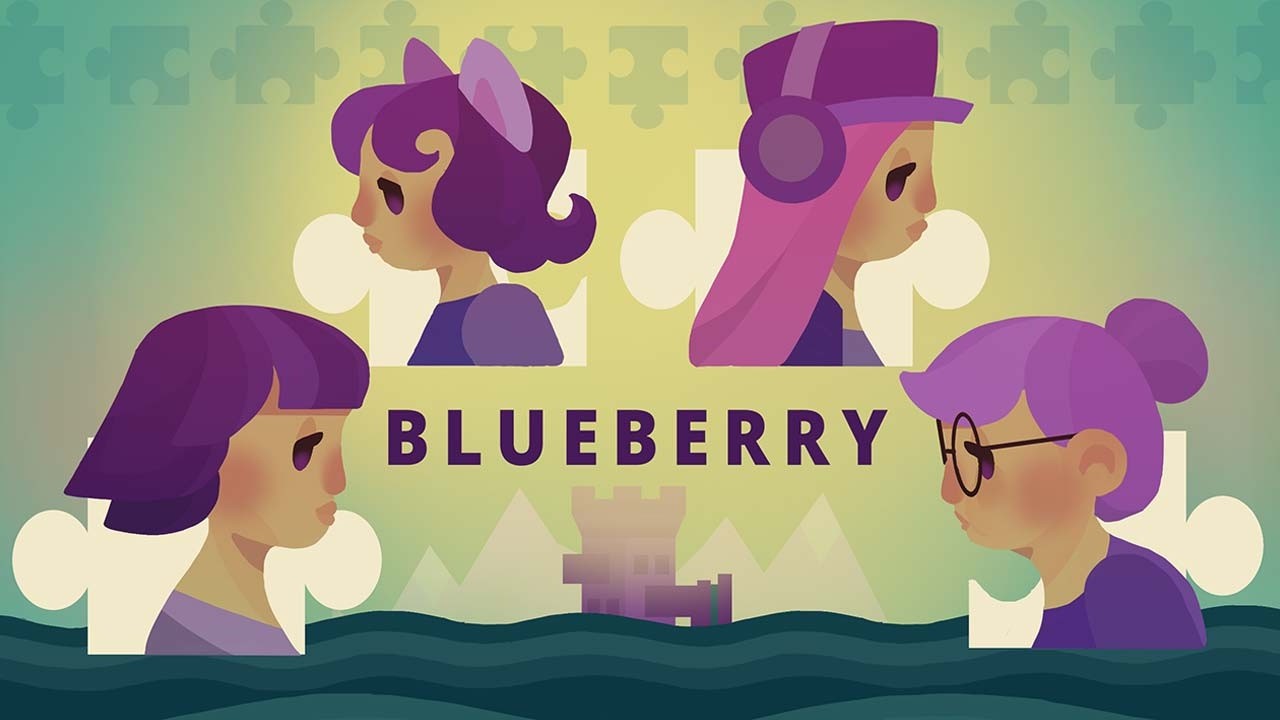
Blueberry – Psychological Indie Puzzle Platformer About Memory and Identity Reconstruction
Narrative-driven 2D platformer with branching choices, emotional systems, and dynamic memory progression across life stages
Blueberry is a story-driven puzzle platformer centered on emotional reconstruction, where players navigate a female protagonist’s fragmented memories through childhood to adulthood. Built around branching choices, psychological themes, and shifting 2D environments, it explores identity formation through interactive fiction systems.
Step into the Tower of Life and uncover what memory refuses to stay hidden

Blueberry


Blueberry frames life progression through a shifting Tower of Life built on memory reconstruction Each stage recontextualizes childhood, adulthood, and identity through interactive emotional systems
Blueberry is a psychological indie game and story-driven puzzle platformer developed by MELLOW Games and published by Hidden Trap, structured around a 2D platformer framework that blends interactive fiction with branching narrative systems. As a pre-launch editorial preview based strictly on official trailers, screenshots, and developer production notes, the experience is interpreted as a narrative-driven puzzle platformer focused on emotional reconstruction rather than mechanical challenge. The game positions its protagonist within a surreal “Tower of Life,” where progression is defined by revisiting fragmented memories across childhood, adolescence, adulthood, and later life stages. This structure places Blueberry within contemporary narrative adventure games 2026 discussions, where psychological storytelling and system-driven interpretation replace linear level progression. Within this framework, emotional, psychological, and philosophical design layers are emphasized through shifting 2D environments that reflect internal cognitive change rather than fixed external geography.
Branching choices and interactive fiction systems reshape memory interpretation across every revisit Dialogue-heavy emotional sequences define progression through psychological reconstruction mechanics
According to MELLOW Games production updates and publisher disclosures, Blueberry integrates interactive fiction systems with branching choices that directly influence how memories are interpreted and replayed. This creates a structure aligned with psychological indie games and interactive fiction with branching choices, where narrative states are not fixed but reprocessed through emotional progression. The gameplay model is described as a dynamic memory progression indie game, meaning earlier 2D platformer environments are not static levels but evolving spaces that shift when revisited, reflecting altered perception and emotional maturity. Puzzle platformer segments are embedded within exploration-driven narrative flow, where dialogue-heavy interactions and environmental reading replace traditional combat systems. The Word Fight mechanic, as shown in promotional material, visually represents emotional conflict through layered text interfaces and stylized UI composition, reinforcing the game’s identity as a 2D puzzle platformer emotional story rather than a conventional action platformer.
Surreal environmental shifts and tonal contrast define exploration across life stages From cute childhood spaces to dark psychological reinterpretations of memory structures
Visual analysis of publicly released assets indicates that Blueberry employs a Surreal presentation style where environments shift in tone and structure across life stages. Early sequences emphasize cute and wholesome visual framing associated with childhood memory interpretation, while later stages transition into darker and more emotionally complex environments aligned with psychological and philosophical themes. This tonal progression supports exploration-driven gameplay, where traversal through 2D platformer spaces functions primarily as narrative transition rather than precision-based challenge. Environmental distortion and symbolic layering suggest that memory spaces are unstable constructs shaped by emotional state, reinforcing the game’s classification as an emotional and story rich narrative experience. Within this structure, exploration operates as a method of uncovering fragmented identity rather than completing discrete gameplay objectives.
Trauma, family systems, and emotional inheritance define the narrative architecture Developer disclosures frame memory as a shifting system of psychological reconstruction
As detailed in official mature content disclosures from the publisher, Blueberry engages with themes of depression, addiction, suicide, emotional neglect, and dysfunctional family dynamics. These elements are not presented as isolated narrative events but are integrated into systemic progression mechanics that shape how memories are revisited and reinterpreted. The narrative structure aligns with indie platformer about trauma and memory design frameworks, where emotional inheritance and family relationships influence long-term psychological development. Within this system, the female protagonist’s identity is constructed through repeated reinterpretation of earlier experiences, reinforcing the philosophical premise that memory is fluid rather than fixed. This approach situates Blueberry within psychological reconstruction gameplay mechanics, where emotional systems directly influence narrative continuity across multiple life stages.
Position within modern indie platformers and narrative adventure design A pre-launch psychological puzzle platformer built on interactive fiction systems
Blueberry occupies a hybrid position between story-driven puzzle platformer design and modern narrative adventure games 2026 trends, combining 2D platformer structure with interactive fiction systems and branching emotional logic. Its emphasis on psychological indie games design principles places it alongside narrative experiences that prioritize interpretation over mechanical complexity. The game’s replay structure is defined by emotional causality rather than traditional progression systems, with multiple endings shaped by Choices Matter mechanics and branching narrative outcomes. System requirements indicate a lightweight technical profile, supporting its focus on narrative delivery rather than hardware-intensive simulation. As a pre-release editorial preview based on developer materials, Blueberry represents a structured exploration of dynamic memory progression indie game design, where identity, trauma, and emotional reconstruction form the core of its interpretive framework.
Final verdict A psychological 2D platformer where memory reconstruction defines progression and identity
Blueberry functions as a narrative-driven puzzle platformer that integrates interactive fiction systems, branching choices, and psychological reconstruction mechanics into a unified 2D platformer framework. Based on pre-launch materials from MELLOW Games and Hidden Trap, the experience is structured around emotional and philosophical exploration through a surreal Tower of Life, where each stage of progression represents a reinterpretation of fragmented memory. Its design aligns with psychological indie games that prioritize emotional systems over traditional gameplay loops, using dynamic memory progression indie game structures to reshape earlier environments through later narrative context. Within the broader context of story-driven puzzle platformer design and narrative adventure games 2026 expectations, Blueberry stands as a pre-release study in how interactive systems can simulate evolving identity through memory, choice, and emotional interpretation rather than linear advancement.
The VoxOdyssey Project Mission Statement for Feature games
I highlight what makes each game unique by examining gameplay mechanics, design choices, and storytelling. By analyzing systems, level design, and play styles, and referencing official media and assets, I aim to provide accurate, informative, and trustworthy insights. While I strive for accuracy, some details may change or be updated over time. Players can use this information to understand each title’s features and mechanics and make their own judgments.
Blueberry screenshots show 2D platforming through fragmented memory environments Branching choices, Word Fight UI, and shifting Tower of Life stages


Blueberry trailer shows a 2D puzzle platformer built on memory and branching narrative systems
Watch Blueberry’s story unfold across the Tower of Life, where memories shift, choices matter, and emotional systems reshape each stage. View the trailer below to see how gameplay and narrative connect.