NODE: The Last Favor of the Antarii Review: Cold War Puzzle Platformer Analysis
2.5D Puzzle Platformer with Timeline Mechanics, Dual Mode Gameplay, and Narrative AI Systems
NODE: The Last Favor of the Antarii is a 2.5D puzzle platformer set inside a Cold War nuclear facility, combining timeline based puzzle mechanics, dual mode gameplay design, and narrative-driven AI interaction systems. The experience blends environmental storytelling with structured puzzle progression and branching dialogue outcomes across a sci-fi industrial setting.
Enter a nuclear complex where every move is planned before it is executed

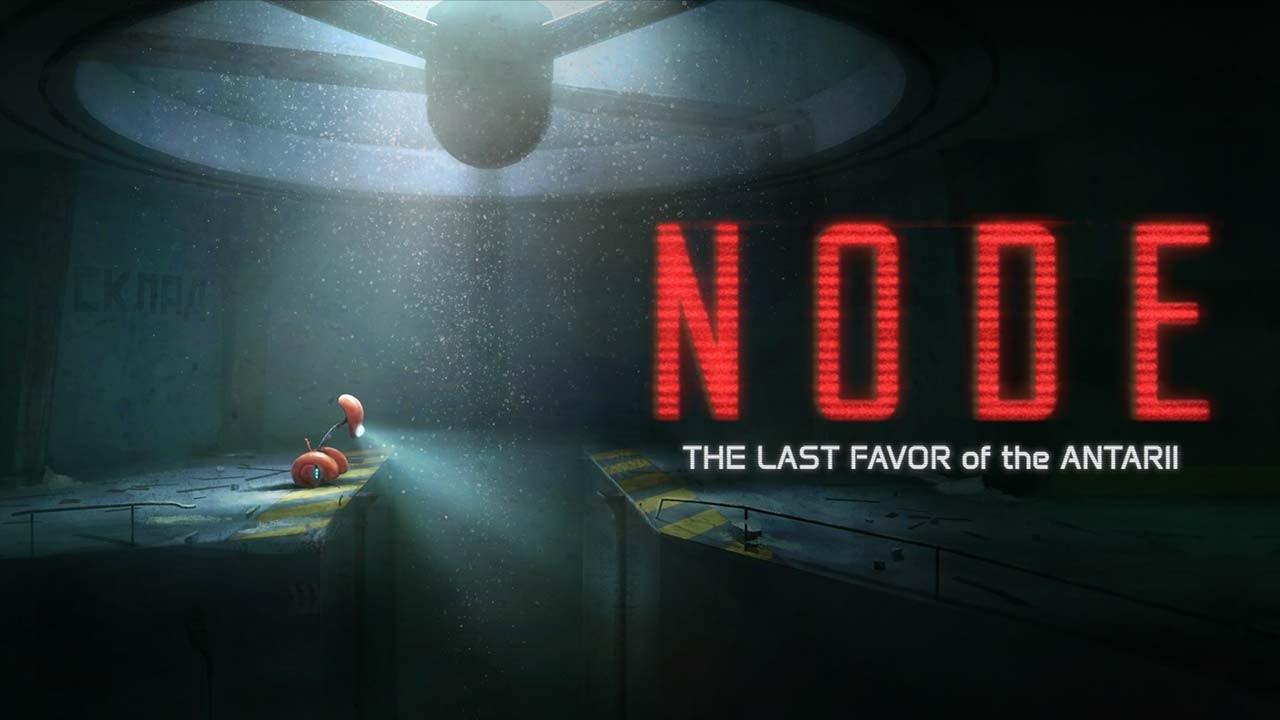
NODE The Last Favor of the Antarii


NODE: The Last Favor of the Antarii defines puzzle-driven survival through Cold War isolation architecture and AI-centered decision systems All systems converge on timeline planning, dual-mode execution, and environmental inference under uncertainty
NODE: The Last Favor of the Antarii is a 2.5D Puzzle Platformer developed and published by Lapsus Games, positioned within contemporary indie puzzle games and narrative-driven adventure games ecosystems. The design integrates Atmospheric Sci-fi framing with Cold War nuclear facility architecture, constructing a Simulation-style environmental puzzle structure centered on an autonomous Artificial Intelligence known as NODE. According to official developer documentation, the player navigates a concealed Soviet-era nuclear installation following a radioactive containment failure scenario set in 2034, establishing a foundation aligned with best cold war sci fi games search contexts and modern Atmospheric survival puzzle frameworks.
From a structural perspective, the game operates as a Dual Mode Gameplay Design Analysis case study. Two parallel systems—Timeline Mode and Platformer Mode—interact with identical environmental layouts while producing different experiential outcomes. This places the title within unique platformers 2026 discussions, particularly those focused on programming puzzle platformer mechanics and timeline based puzzle mechanics as primary interaction models. The design intentionally avoids Combat systems, RPG progression frameworks, RTS macro-management layers, or Base Building survival economies, instead concentrating entirely on controlled movement logic and environmental problem-solving.
The resulting structure emphasizes Precision Platformer constraints and Time Management logic embedded within spatial traversal systems. These mechanics are reinforced through Story Rich presentation layers and Dialogue Heavy narrative fragments delivered via branching interaction systems. The AI protagonist framework introduces Artificial Intelligence as both narrative subject and mechanical operator, reinforcing thematic alignment between player input and systemic response. Within the broader classification of Puzzle Platformer and Adventure genres, NODE operates as a tightly scoped indie system emphasizing procedural reasoning over reflex-based execution.
Timeline Mode transforms movement into structured command sequencing across temporal execution layers Player planning replaces direct control through predictive puzzle construction and time-based logic systems
According to official gameplay specifications, Timeline Mode implements timeline based puzzle mechanics that require players to predefine movement, interaction, and traversal sequences before execution. This structure situates NODE within programming puzzle platformer mechanics discourse, where success depends on environmental analysis, sequence optimization, and predictive modeling rather than reflex-driven input. Each action—jumping, switching mechanisms, and navigating hazards—is encoded into a temporal sequence that executes as a unified behavioral chain.
This system aligns conceptually with Time Manipulation adjacent design frameworks, although no traditional temporal rewinding is present. Instead, the simulation of ordered execution creates a structured interpretation of Time Management within Puzzle systems. The approach emphasizes iterative refinement loops where failure states function as analytical feedback rather than punitive reset conditions.
Within indie puzzle games taxonomy, this model represents a controlled simulation environment where deterministic outcomes are evaluated through planning accuracy. The resulting gameplay loop is characterized by observation, correction, and optimization cycles typical of narrative independent games with multiple endings, even though progression is primarily systemic rather than branching in core mechanics.
Platformer Mode reinterprets identical environments through direct control and exploratory traversal systems Mechanical identity shifts from planning abstraction to real-time spatial interaction
Platformer Mode provides a direct-control interpretation of the same environmental layouts used in Timeline Mode, reinforcing a dual mode gameplay design analysis structure. This configuration allows the Puzzle Platformer framework to operate under two interaction paradigms: pre-planned command execution and real-time traversal control. From a systems perspective, both modes share identical environmental logic while diverging in input methodology.
This structure enhances replayability within narrative-driven adventure games by allowing multiple interpretive approaches to identical Puzzle sequences. Environmental hazards, switch systems, and traversal constraints remain consistent, but player agency shifts from predictive modeling to reactive navigation. The result aligns with Precision Platformer design principles while maintaining Atmospheric Sci-fi presentation consistency.
The absence of Combat mechanics or RPG progression systems reinforces a focused mechanical identity rooted in spatial reasoning and controlled movement execution. This positions the title firmly within indie puzzle games categories emphasizing structural clarity and mechanical minimalism.
Branching dialogue systems and multiple endings structure narrative outcomes through decision-weighted AI interaction Story progression emerges through recorded choices and environmental interpretation layers
Narrative systems in NODE: The Last Favor of the Antarii are built around Dialogue Heavy branching interaction frameworks combined with environmental storytelling structures. According to official design documentation, player decisions influence narrative progression across multiple endings determined by dialogue interactions and exploration behavior. This positions the title within narrative independent games with multiple endings discourse, where story outcomes are shaped through systemic decision tracking rather than linear exposition.
The AI protagonist framework introduces Artificial Intelligence as both narrative subject and interpretive lens, reinforcing themes of autonomy, control, and observation within a Cold War industrial setting. The Toska nuclear facility functions as a Story Rich environmental construct where fragmented information is embedded within industrial architecture, reactor spaces, and abandoned research zones.
Rather than relying on scripted cinematic delivery, narrative progression is distributed across environmental cues and interaction-based triggers. This aligns with Atmospheric and Dark Sci-fi design conventions, where meaning is derived from inference rather than explicit explanation. The structure supports exploration-driven engagement typical of Adventure and Puzzle genres.
Atmospheric design defines spatial tension through Cold War industrial decay and reactive lighting systems Environmental storytelling replaces traditional exposition through visual and auditory inference layers
NODE employs a 2.5D visual framework combining Platformer readability with layered 3D environmental depth. This hybrid structure supports Atmospheric Sci-fi presentation while maintaining clarity required for Precision Platformer traversal. Industrial corridors, reactor chambers, and maintenance tunnels form the core environmental language, reinforcing Cold War architectural authenticity within a Stylized realism framework.
Lighting and audio systems operate as primary Atmospheric tools, shaping perception through constrained visibility and reactive environmental soundscapes. These systems reinforce Emotional tension without reliance on scripted narrative delivery, aligning with modern indie puzzle games design methodologies that prioritize environmental interpretation.
The result is a cohesive Simulation-like environment where spatial awareness and observation define progression. Environmental repetition and structural decay contribute to thematic consistency across all gameplay modes.
Final verdict A structurally focused Puzzle Platformer defined by timeline-based mechanics, dual-mode interaction, and Cold War atmospheric storytelling
NODE: The Last Favor of the Antarii establishes a mechanically disciplined Puzzle Platformer framework built around programming puzzle platformer mechanics, timeline based puzzle mechanics, and dual mode gameplay design analysis principles. Its core identity is shaped by controlled environmental interaction rather than expansive systemic layering, excluding Combat systems, RPG progression structures, RTS macro-management frameworks, and Base Building survival economies in favor of structured spatial reasoning.
Within the broader landscape of indie puzzle games and atmospheric sci-fi games, the title occupies a distinct position defined by mechanical minimalism and interpretive narrative systems. The integration of Artificial Intelligence protagonists, Cold War nuclear facility design, and branching dialogue systems situates it within narrative-driven adventure games that emphasize environmental inference and structured decision-making.
The final design outcome reflects a tightly scoped Simulation-oriented Puzzle experience where Time Management logic, Precision Platformer traversal, and Story Rich environmental construction converge into a unified system. NODE ultimately represents a controlled experiment in dual interaction architecture, offering two distinct methods of engaging identical environmental logic while maintaining a consistent Atmospheric Sci-fi identity grounded in Cold War thematic framing.
The VoxOdyssey Project Mission Statement for Feature games
I highlight what makes each game unique by examining gameplay mechanics, design choices, and storytelling. By analyzing systems, level design, and play styles, and referencing official media and assets, I aim to provide accurate, informative, and trustworthy insights. While I strive for accuracy, some details may change or be updated over time. Players can use this information to understand each title’s features and mechanics and make their own judgments.
NODE screenshots highlight 2.5D puzzle platforming inside a Cold War nuclear facility Timeline puzzles, robot navigation, and dual-mode environmental interaction systems


NODE Trailer – Timeline Puzzle Platformer Inside a Cold War Nuclear Facility
Watch NODE: The Last Favor of the Antarii as it demonstrates timeline-based puzzle execution, dual-mode gameplay, and exploration through a decaying nuclear complex. The trailer below showcases how planning, navigation, and environmental storytelling shape each encounter and puzzle solution.

Stay connected with NODE The Last Favor of the Antarii