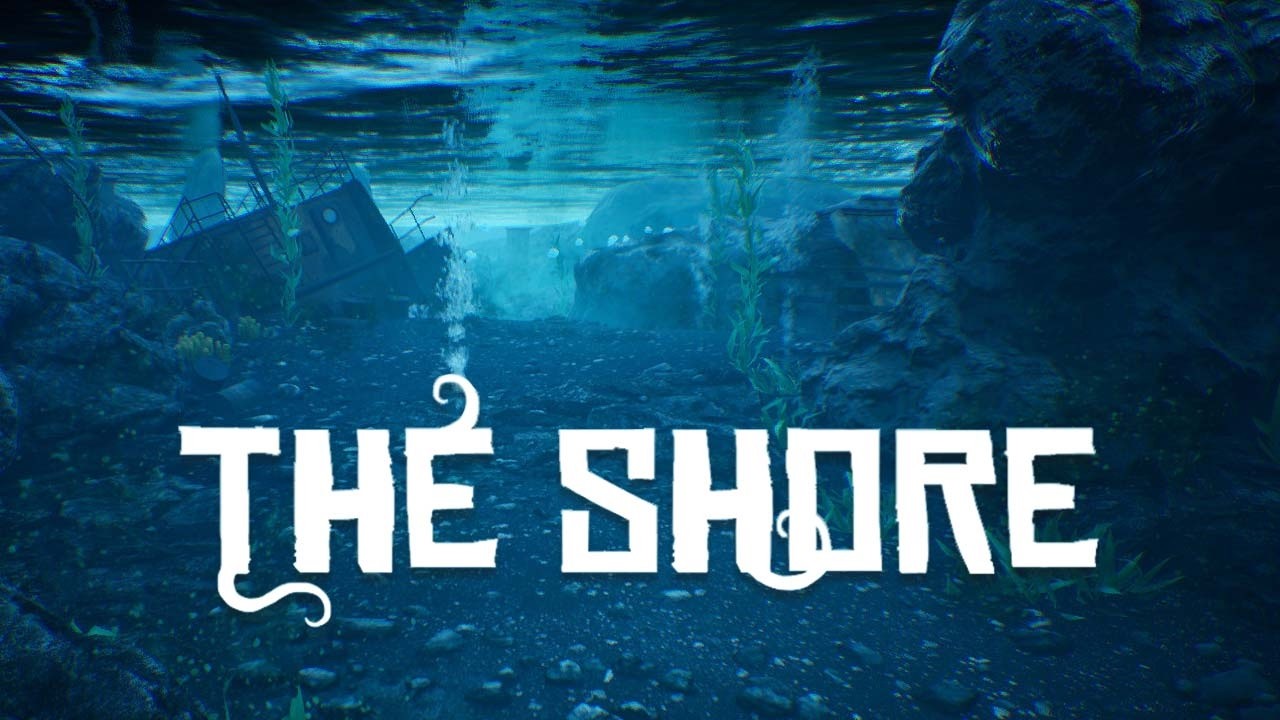
The Shore – Lovecraftian Psychological Horror Game on PC
First-person cosmic horror exploration game with atmospheric puzzles, artifact combat, and narrative-driven psychological horror
The Shore is a Lovecraftian psychological horror experience set on a forbidden island, combining environmental exploration, artifact-based combat, and surreal narrative progression centered on grief, perception, and cosmic dread.
Some islands do not simply hide history—they reshape the mind of anyone who walks them

The Shore


The island begins as an empty shoreline before becoming saturated with impossible structures and shifting perception Early exploration gradually gives way to confined pathways inside alien monoliths and distorted dimensions
The Shore was developed by Dragonis Games under the direction of Ares Dragonis as a first-person psychological horror game built around Lovecraftian cosmic exploration and environmental narrative design. Positioned within the indie horror landscape, it aligns with first-person cosmic horror exploration games that prioritize atmosphere, symbolic storytelling, and linear progression over systemic survival mechanics. The structure follows a tightly controlled sequence beginning with open coastal shoreline traversal and transitioning into increasingly claustrophobic alien architecture, reinforcing psychological pressure through spatial restriction rather than open-ended exploration systems. Unlike traditional FPS psychological thriller indie games that emphasize mechanical combat depth, the experience relies on visual escalation, environmental distortion, and narrative ambiguity as primary engagement tools. The game’s release on PC places it among modern indie horror games based on Lovecraft lore, where visual presentation and thematic cohesion often take precedence over systemic complexity or replay-driven mechanics.
Artifact combat shifts from exploration into focused beam-based confrontation Limited mechanical systems emphasize tension over tactical depth or combat variety
Combat in The Shore is structured around a single artifact-based system that functions as the game’s primary defensive mechanism. The artifact emits a concentrated beam of light that is directed at hostile entities to dissolve or repel them, creating a transition from environmental exploration into short, high-intensity engagement segments. This system includes a discharge limitation that requires controlled usage rather than continuous output, reinforcing pacing constraints during encounters. The absence of secondary weapons, evasive movement systems, or layered combat upgrades positions the experience within realistic action-adventure horror mechanics that prioritize simplicity over systemic depth. As a result, combat encounters function more as atmospheric interruptions than as fully developed combat loops, contributing to pacing variability frequently noted in analyses of first-person horror games with combat and fighting systems. The design reinforces vulnerability and aligns with the broader psychological framework of the game’s cosmic horror presentation.
Environmental puzzles rely on symbolic objects hidden within alien architecture Progression is driven by physical interaction with relics, glyphs, and spatial alignment systems
Puzzle progression in The Shore is integrated directly into environmental structure rather than isolated challenge sequences. Core progression relies on locating and placing physical relics into predetermined positions within ancient ruins, aligning metallic ring mechanisms embedded in monolithic structures, and interpreting carved cosmic glyph patterns that unlock sealed pathways. These systems function as environmental logic puzzles embedded within exploration rather than abstract interfaces. This design places the game within atmospheric puzzle horror games on PC, where environmental navigation and object interaction replace traditional puzzle UI frameworks. Each progression layer reinforces environmental exploration in cosmic horror games by ensuring that movement, observation, and spatial interpretation remain central to advancement. The linear structure ensures that puzzle solutions directly transition players into new environmental states, reinforcing narrative pacing through mechanical progression rather than optional challenge segmentation.
Hidden narrative layers are tied to exploration depth and off-path discovery Alternate endings require collecting scattered journals and environmental lore fragments
Narrative structure in The Shore is built around fragmented psychological interpretation supported by environmental storytelling and optional content discovery. While the main storyline follows Andrew’s search for his daughter, deeper narrative layers are unlocked through exploration of off-path areas containing hidden journal entries, audio recordings, and environmental lore artifacts. These optional collectibles function as structural triggers for expanded narrative resolution, contributing directly to alternate endings and secret interpretations of events. This design aligns the game with story rich horror games with multiple endings, where completion depth is determined by environmental thoroughness rather than branching dialogue systems. The additional narrative content expands philosophical framing around perception, memory instability, and cosmic influence, directly supporting interpretations associated with The Shore game plot explained and secret endings. This structure reinforces philosophical narrative games first person narration conventions by embedding meaning within optional exploration rather than explicit exposition delivery.
Coastal exploration shifts between open environments and enclosed alien structures Atmospheric pacing alternates between slow traversal and sudden psychological disruption
The Shore operates as a slow burn atmospheric indie horror exploration experience where pacing is determined by environmental transitions rather than mechanical systems. Initial gameplay stages emphasize open shoreline traversal with minimal guidance, supporting games with relaxing exploration and sudden horror elements as tension emerges through environmental ambiguity. As progression advances, environments transition into enclosed monolithic interiors and later into fully linear alien dimensional spaces, reducing navigational freedom in favor of psychological compression. This structural escalation reinforces thematic progression through spatial design, ensuring that environmental exploration remains tightly linked to narrative intensity. The shift from naturalistic coastal environments into surreal architectural spaces establishes a consistent escalation model grounded in spatial restriction and visual distortion rather than procedural gameplay variation.
Final verdict The Shore prioritizes atmospheric cosmic horror over mechanical complexity or combat depth
The Shore functions as a focused example of first-person cosmic horror exploration design within the indie psychological horror space. Its primary strengths are rooted in environmental presentation, cinematic lighting systems, and structured narrative ambiguity rather than systemic gameplay depth. The artifact-based combat mechanic provides functional but limited interaction, while environmental puzzles emphasize spatial reasoning through relic placement, glyph alignment, and architectural interaction. Narrative progression relies heavily on exploration-based discovery, with secret endings and expanded lore gated behind optional journal collection and environmental investigation. While mechanical systems remain deliberately minimal, the consistency between visual design, thematic structure, and environmental storytelling positions the game as a coherent entry within modern Lovecraftian horror development. Its overall design philosophy prioritizes atmospheric immersion and philosophical interpretation over complexity-driven gameplay systems, defining its role within contemporary indie horror analysis.
The VoxOdyssey Project Mission Statement for Feature games
I highlight what makes each game unique by examining gameplay mechanics, design choices, and storytelling. By analyzing systems, level design, and play styles, and referencing official media and assets, I aim to provide accurate, informative, and trustworthy insights. While I strive for accuracy, some details may change or be updated over time. Players can use this information to understand each title’s features and mechanics and make their own judgments.
The Shore Screenshots Show First-Person Cosmic Horror Exploration on a Forbidden Island Artifact combat, environmental puzzles, and surreal Lovecraftian shoreline structures


The Shore Trailer – Lovecraftian Horror on a Forbidden Island with Cosmic Entity Encounters
Watch The Shore in motion as first-person exploration moves from foggy coastal shorelines into surreal alien structures. See artifact combat, environmental puzzles, and psychological horror unfold, then view the full trailer below.