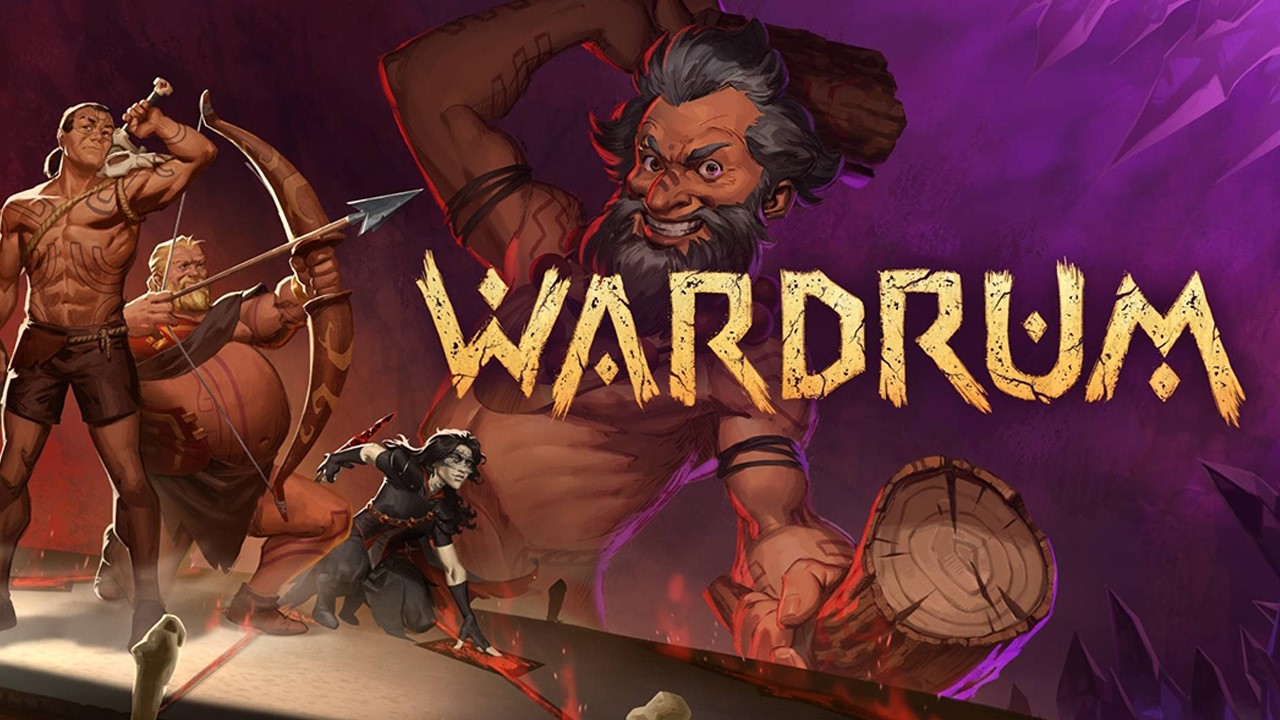
Wardrum – Turn-Based Rhythm Game with Tactical Grid Combat
Tactical roguelite 2026 blending beat-based inputs, party-based RPG elements, and grid-based strategy
Wardrum is a dark fantasy turn-based rhythm game by Mopeful Games and Team17, combining grid-based combat strategy with beat-based inputs. Build a warband, unlock units and trinkets, and fight through procedural encounters to resist The Silence.
Miss the beat or master it—how long can your warband hold the rhythm?

Wardrum


The first beat arrives before confidence does—control starts after that moment Everything that follows depends on whether you stay aligned with it
Wardrum, developed by Mopeful Games and published by Team17, sits within the tactical roguelite 2026 space as a turn-based rhythm game built around structured timing and grid-based combat strategy. Set in a dark fantasy world shaped by The Silence, the experience is defined by planning phases that collapse into beat-based inputs, where positioning and rhythm must stay in sync for actions to resolve cleanly.
Every decision looks simple until the rhythm starts dictating how it actually plays out What works on paper often shifts once timing enters the equation
At its core, Wardrum blends grid-based combat strategy with a timing layer that turns every command into an active input challenge. A visual rhythm track runs across the interface, where a moving pulse meets a central marker to define the execution window. Successful actions are reinforced with strong percussive feedback, turning each input into a clear audiovisual confirmation. This structure places it firmly among strategy games with beat-based inputs, where execution is never fully automatic.
A warband only feels stable until each unit starts asking for its own rhythm Managing them together becomes a constant balancing act rather than a routine
Party-based RPG elements shape Wardrum through its warband system, where different unit types introduce distinct timing behaviors. Warriors, assassins, summoners, and ranged units each operate with unique rhythm patterns that must be managed simultaneously. Some abilities follow steady beats that are easier to track, while others introduce irregular timing that demands memorization. As a result, party composition directly influences how complex moment-to-moment execution becomes during combat.
The battlefield never stays still long enough for comfort to settle in Environmental shifts quietly reshape how every encounter needs to be approached
Across procedurally generated biomes, Wardrum introduces environmental conditions that affect both visibility and timing consistency. Fog, distortion effects, and rhythmic interference can alter how clearly beat indicators are perceived. The pixel art graphics maintain clarity in unit animation and attack telegraphs, but environmental pressure ensures that each encounter feels slightly different. This variation reinforces the roguelite structure by preventing repeated encounters from feeling mechanically identical.
A missed beat is never just a mistake—it changes the entire flow of the fight Recovery depends on how quickly the rhythm can be regained under pressure
Execution in Wardrum is reinforced through immediate feedback loops. When a beat is missed, the affected unit briefly breaks animation flow, and the expected outcome of the action is weakened or interrupted. In more intense encounters, this can lead to cascading disadvantages where positioning becomes compromised. Status effects such as blinding or auditory disruption further complicate this system by altering how rhythm cues are perceived, forcing adaptation between visual and audio reliance.
Progression does not remove complexity—it quietly adds more layers to manage Each upgrade reshapes how familiar abilities need to be timed
As a tactical roguelite 2026 experience, Wardrum structures progression around both run-based growth and persistent unlocks. Units evolve through branching ability paths that often introduce more demanding rhythm patterns over time. Persistent progression expands available units and trinkets, gradually increasing build variety. Certain trinkets modify rhythm execution itself, introducing altered timing rules such as delayed inputs or multi-step confirmations that reshape familiar combat patterns.
Encounters build toward moments where rhythm control matters more than raw strength Boss fights test whether timing holds steady when everything else becomes unpredictable
Encounters with colossal bosses and unearthly gods push Wardrum’s systems into higher intensity states, where tempo changes and irregular patterns challenge established timing habits. These fights often combine spatial pressure with altered rhythm structures, requiring adaptation under shifting conditions. The interaction between grid-based combat strategy and rhythm execution defines the game’s identity, placing it within the best turn-based tactics with rhythm mechanics category.
Nothing operates alone—movement, timing, and progression all influence each other The systems only work because they constantly affect the same outcome
Wardrum maintains structural cohesion by ensuring that tactical positioning, rhythm execution, and progression systems remain interconnected. Decisions made during combat directly influence timing demands, while progression alters how those demands evolve over time. The interface reinforces this layered design by requiring attention across battlefield space, rhythm tracking, and unit status simultaneously. This integration supports its position within Mopeful Games Wardrum gameplay analysis as a unified system rather than separated mechanics.
Final verdict A tactical roguelite where planning sets the stage, but rhythm decides the outcome
Wardrum establishes itself as a turn-based rhythm game that merges grid-based combat strategy with beat-based inputs in a dark fantasy world shaped by The Silence. Its design connects party-based RPG elements, procedural encounters, and rhythm execution into a single structured loop. The result is a tactical roguelite 2026 experience where success depends on maintaining synchronization across planning, positioning, and timing rather than treating them as separate systems.
The VoxOdyssey Project Mission Statement for Feature games
I highlight what makes each game unique by examining gameplay mechanics, design choices, and storytelling. By analyzing systems, level design, and play styles, and referencing official media and assets, I aim to provide accurate, informative, and trustworthy insights. While I strive for accuracy, some details may change or be updated over time. Players can use this information to understand each title’s features and mechanics and make their own judgments.
Wardrum Screenshots Show Turn-Based Rhythm Combat on Grid-Based Battlefields Warband builds, beat-based inputs, and tactical roguelite encounters in a dark fantasy world


Wardrum Trailer – Turn-Based Rhythm Combat, Tactical Grid Strategy, and Roguelite Battles
See Wardrum in motion with rhythm-driven tactical combat, warband builds, and grid-based strategy across a dark fantasy world. Watch timing, positioning, and beat-based inputs collide, then view the full trailer below for more gameplay detail.