Mini Racer Car Shop Simulator – Build, Customize, and Run Your Mini Car Business
Manage a miniature racing car shop, craft custom builds, and grow a collector-driven showroom
Mini Racer Car Shop Simulator is a management sandbox where players build custom mini racers, manage inventory, and sell rare parts while expanding a specialized car shop for collectors and racing fans.
Ready to open the garage doors? Scroll down and see how your mini racer shop comes to life.

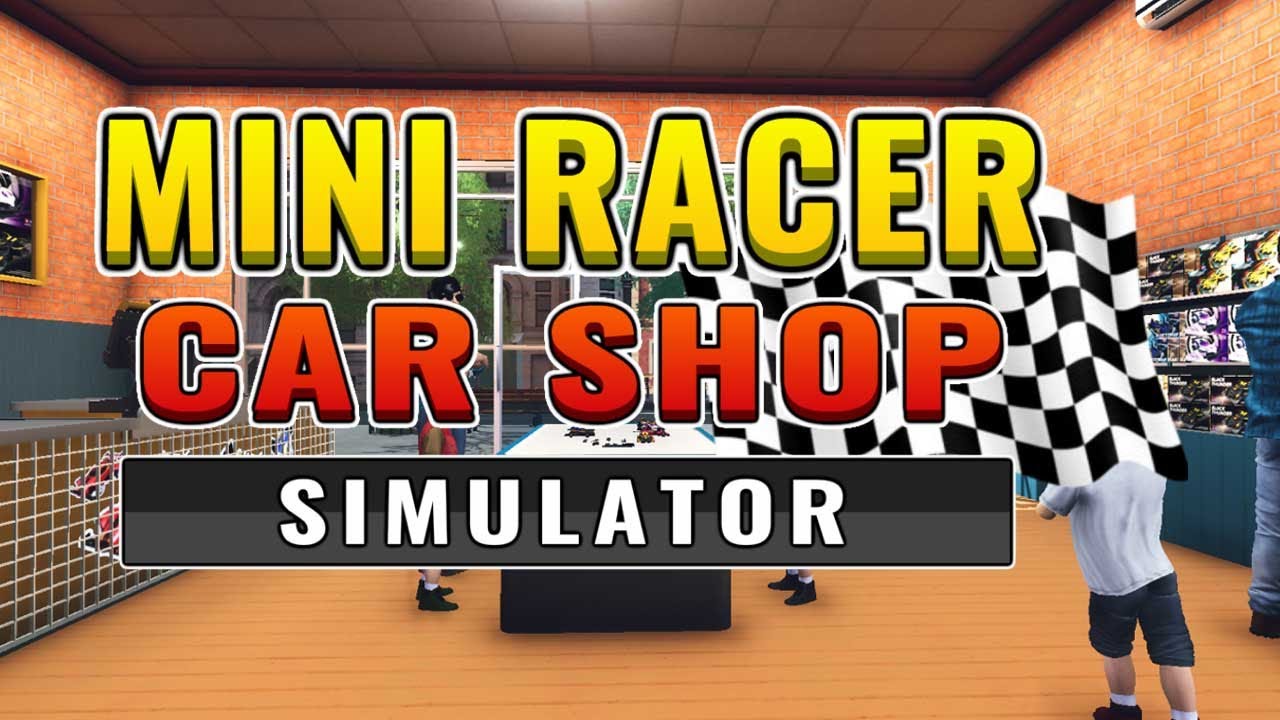
Mini Racer Car Shop Simulator


Opening the Garage in Mini Racer Car Shop Simulator A Business Simulation Where Mini Racer Customization and Shop Management Meet
Mini Racer Car Shop Simulator, developed by Bewolba Studios and published by PlayWay S.A., is a business simulation built around the small but detailed world of miniature racing cars. First released on PC in May 2025 and later expanded to PlayStation and Xbox platforms in February 2026, the game places players in charge of a specialist shop that sells, builds, and customizes miniature racers. Rather than focusing on large-scale automotive engineering, the simulation explores the collector culture surrounding mini racers. Players manage stock, assemble custom builds, and expand their shop while balancing inventory management, crafting decisions, and the steady flow of customers looking for the perfect miniature racer.
Running a Mini Racer Car Shop Retail Strategy, Inventory Management, and a Collector-Driven Economy
At its heart, Mini Racer Car Shop Simulator operates as a shop management sandbox. The player steps into a first-person 3D environment where every shelf, display, and workbench forms part of a working retail space. The core loop revolves around purchasing car packs, organizing spare parts, building custom mini racers, and placing finished vehicles in the showroom. Customers arrive with different expectations, often looking for specific components or ready-to-race vehicles. This creates a rhythm between crafting and commerce. A player may spend time assembling a high-performance miniature racer only to discover that selling rare parts individually could bring faster profit. These small economic choices form the backbone of the game’s capitalism-inspired management systems.
Crafting Mini Racers From the Workbench Modular Car Building and the Art of Miniature Customization
Customization is where the simulation truly shifts into creative territory. Each miniature car functions as a modular platform made up of interchangeable parts such as engines, wheels, and specialized components. Players experiment with combinations that influence both performance and value. A powerful engine may increase speed on the track, while a specific wheel configuration could improve stability. The crafting system encourages experimentation because the most valuable builds are rarely obvious at first glance. Over time, experienced players begin to recognize patterns between parts and performance, turning the workbench into a place where engineering intuition slowly develops. This process mirrors real collector culture, where small modifications often define the difference between an ordinary model and a sought-after centerpiece.
The Gacha System and the Search for Rare Parts Car Packs, Randomized Components, and the Collectathon Element
The economy of Mini Racer Car Shop Simulator is shaped heavily by its car pack system. Opening packs introduces a randomized pool of miniature vehicles and spare parts, effectively turning the acquisition process into a collectathon mechanic. Common components provide the foundation for early builds, while rare parts quickly become the most valuable assets in the workshop. Because the outcome of each pack is unpredictable, every opening carries a sense of anticipation. Players chasing rare engines or specialized wheels often find themselves planning entire builds around the parts they hope to discover. The system also encourages careful resource planning, since spending too aggressively on packs can leave a shop short on funds needed for expansion.
Organizing the Workshop Inventory Storage, Customization Presets, and the v1.0.11 Improvements
As a shop grows, organization becomes just as important as creativity. Later updates introduced several quality-of-life improvements designed to help players manage expanding inventories. Box storage systems allow parts to be grouped and stored more efficiently, preventing the workshop from becoming cluttered with loose components. Another notable addition is the customization preset feature, which allows players to save successful car builds and recreate them quickly. This becomes particularly useful when a specific configuration proves popular with customers. Update v1.0.11 expanded the customization system further by introducing sticker customization, allowing players to decorate vehicles with visual designs that make each build stand out in the showroom. These additions may appear small at first, but they significantly improve the long-term workflow of running a busy mini racer shop.
Taking Mini Racers to the Track Race Day Events and Performance Testing Inside the Simulation
While the shop floor forms the core of the simulation, the racetrack offers a different perspective on the vehicles being built. Players can take their creations onto a dedicated track to evaluate handling, acceleration, and overall driving feel. What begins as a testing tool gradually becomes a competitive system through Race Day events. These events introduce entry requirements tied to star ratings, often limiting participants to vehicles below a certain performance level. The restrictions encourage creative engineering rather than simply installing the strongest parts available. Players must design builds that remain eligible for the event while still performing effectively on the track. This subtle shift transforms the racing feature from a simple demonstration mode into a meaningful gameplay mechanic.
Expanding the Showroom Pricing Strategy and the Rise of a Mini Racer Collector Market
As the business grows, the showroom becomes a stage where craftsmanship and strategy meet. Finished mini racers can be displayed for customers, each with a price set by the player. Determining the right value involves more than simple math. A build assembled from rare parts may command a higher price, but visual presentation and performance reputation also influence demand. Some players focus on producing limited, high-value creations, while others build a steady stream of reliable racers aimed at everyday buyers. The freedom to experiment with these strategies reinforces the sandbox nature of the game. No two shops develop in quite the same way, and the most successful businesses often emerge from careful observation of what customers seem to appreciate.
Final Verdict A Detailed Simulation of Mini Racer Culture and Creative Shop Management
Mini Racer Car Shop Simulator presents a focused take on the management simulation genre by exploring the niche world of miniature racing cars. Its blend of shop management, modular crafting, randomized part acquisition, and Race Day events creates a gameplay loop that balances creativity with economic strategy. Post-launch updates, including inventory storage improvements and sticker customization, have strengthened the workflow of building and selling custom racers. The result is a simulation that captures the appeal of collector culture while remaining approachable for players who enjoy experimenting with builds and business strategies. For those interested in a sandbox management experience built around miniature vehicles, Mini Racer Car Shop Simulator offers a thoughtful and engaging interpretation of running a specialized car shop.
The VoxOdyssey Project Mission Statement for Feature games
I highlight what makes each game unique by examining gameplay mechanics, design choices, and storytelling. By analyzing systems, level design, and play styles, and referencing official media and assets, I aim to provide accurate, informative, and trustworthy insights. While I strive for accuracy, some details may change or be updated over time. Players can use this information to understand each title’s features and mechanics and make their own judgments.
Mini Racer Car Shop Simulator Gameplay Screenshots Car shop management, mini racer customization, showroom builds, and race testing


Mini Racer Car Shop Simulator Gameplay Trailer – Shop Management and Custom Mini Racers
Step inside the garage and see how a mini racer shop comes together. Watch the video below to explore car customization, pack openings, and race testing as the business grows from a small workshop into a busy showroom.



Stay connected with Regions of Ruin: Runegate