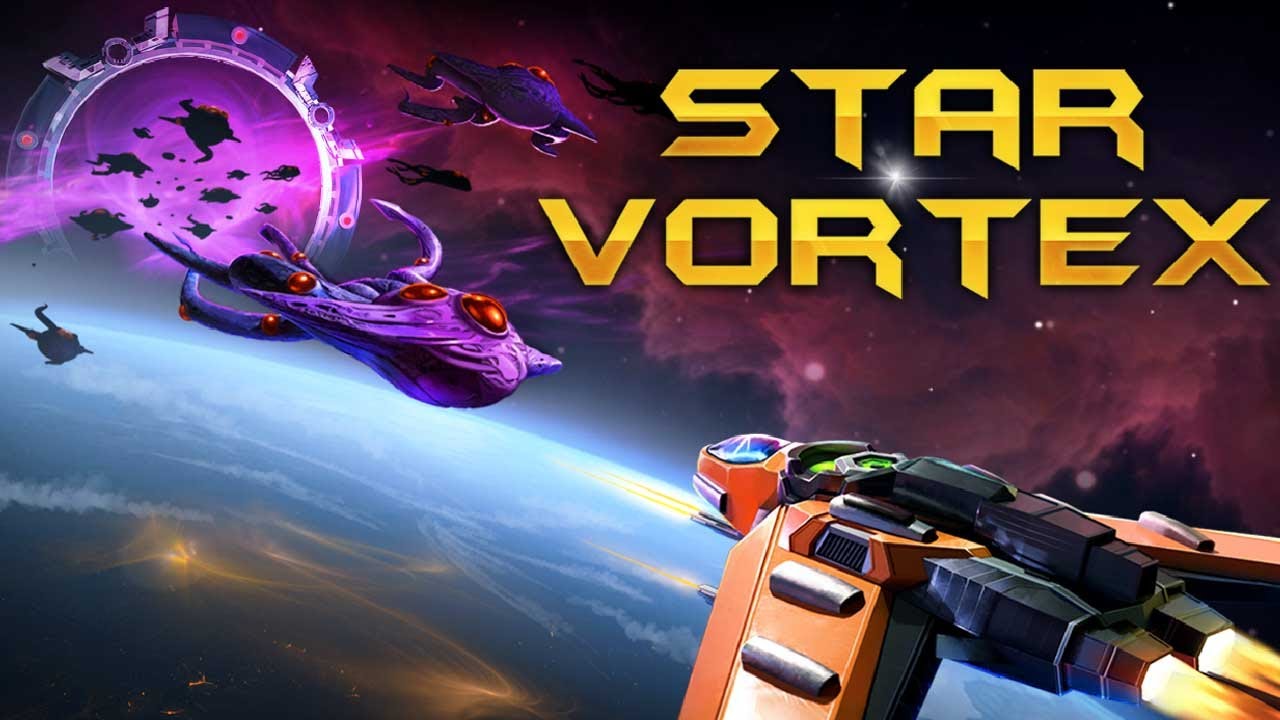
Star Vortex – Space Action RPG with Modular Ship Building Systems
Top-down looter shooter where you build ships, explore procedural sectors, and adapt to faction-based hazards
Star Vortex is a PC space action RPG featuring modular ship construction, loot-driven progression, and procedurally generated sectors. Progress from Frigate to Battleship, counter Junker heat and Outcast corrosion, and extend gameplay with HarmonyX mod support in v0.7.
Every sector shifts the odds—will your build survive what the next system throws at you?

Star Vortex


It does not start with power, it starts with a ship you barely control From that point on, everything is shaped by how you choose to build it
Star Vortex (Early Access July 28, 2025), developed by solo creator Wayne Robinson (Zorg Games) and published by Hunted Cow Games, positions itself within the PC indie action RPG space as a systems-driven experience built around construction and adaptation. As a top-down space action RPG, it replaces character-focused progression with modular spaceship design, creating a loop where each decision is reflected directly in gameplay. The structure avoids abstraction, instead presenting a looter shooter framework where physical layout, weapon placement, and upgrade paths define performance across procedurally generated sectors.
You are not picking a class, you are assembling one piece by piece Every slot, every module, every adjustment quietly changes how you survive
The modular ship building system is the foundation of Star Vortex. For those searching for a space RPG with ship customization, the game replaces traditional inventory management with direct structural control. Weapons, defenses, and utility modules are placed onto the hull, creating a system where positioning influences combat outcomes. This transforms the experience into a hybrid between a building game and a looter shooter, where efficiency is not only about what is equipped but how it is arranged. The consistency of this system allows experimentation without breaking progression flow.
Progress does not replace what you built, it expands on it What begins as a Frigate slowly grows into something far more complex
Progression follows a clear path through ship archetypes: Frigate, Destroyer, Cruiser, and Battleship. Each tier increases structural capacity and available systems, allowing more complex builds to emerge over time. Community experimentation and later updates have introduced configurations approaching Dreadnought-scale designs, extending the upper limits of construction. Rather than resetting player choices, each upgrade builds on previous decisions, reinforcing continuity and long-term optimization within the looter shooter framework.
Space is never empty for long, and it rarely behaves the same way twice Every sector shifts the balance between risk and opportunity
Procedural sector generation ensures that no two runs unfold identically. Navigation becomes a process of evaluation, where players decide whether to pursue direct objectives or explore for additional rewards. Encounters range from controlled skirmishes to sudden invasions, introducing unpredictability that reinforces reactive play. This structure aligns with expectations for procedural space RPGs, where variation is not a feature but a core requirement for sustained engagement.
Some threats are not enemies, they are the space around you Heat and corrosion force you to rethink what your ship is built to handle
Faction design in Star Vortex extends beyond enemy behavior into environmental systems. The Junkers faction introduces thermal hazards that apply constant pressure through heat damage, while the Outcasts rely on corrosive effects that degrade ship integrity over time. These mechanics require targeted resistance and adaptive builds, linking faction identity directly to gameplay conditions. For players examining faction mechanics, this integration creates a consistent relationship between environment, enemy design, and strategic preparation.
Fights can start controlled and end in something far less predictable When everything fills the screen, positioning becomes the only thing that matters
Combat blends twin stick shooter mechanics with layered weapon systems, including lasers, missiles, drones, and utility modules. As encounters scale, projectile density increases, pushing the game toward bullet hell territory where movement and positioning are critical. The effectiveness of a build depends on how well systems interact, with synergy often determining survivability more than raw output. This creates a combat loop that remains readable while still allowing for high-intensity encounters.
The structure is no longer fixed, it can now be reshaped from the outside Mod support turns the game into something that can keep changing
The v0.7.0 update in April 2026 introduced official mod support through HarmonyX, allowing players to modify core systems and extend the game’s functionality. This addition shifts Star Vortex from a closed system into a flexible framework, aligning with PC development trends that prioritize extensibility. At the same time, Sector 4 entered testing phases, expanding the game’s environmental scope and reinforcing its iterative development model.
It holds together because every system speaks the same language Nothing feels separate, everything feeds back into how you build and adapt
Star Vortex integrates ship construction, procedural exploration, faction-based hazards, and progression systems into a cohesive loop. Each element reinforces the others, ensuring that decisions made in one area influence outcomes across the entire experience. As an indie space action RPG, it maintains focus on mechanical clarity and repeatable systems rather than narrative expansion, positioning itself within a niche defined by player-driven optimization.
Final verdict A space action RPG where building the ship is the game, not just preparation
Star Vortex stands as a systems-focused space action RPG built around modular ship construction, procedural sector design, and faction-driven environmental hazards. Its progression from Frigate to Battleship, combined with HarmonyX mod support and ongoing Sector 4 expansion in v0.7, establishes a framework designed for long-term iteration. The game’s strength lies in how consistently its systems interact, creating a structured experience that rewards experimentation, adaptation, and careful design within the PC indie looter shooter space.
The VoxOdyssey Project Mission Statement for Feature games
I highlight what makes each game unique by examining gameplay mechanics, design choices, and storytelling. By analyzing systems, level design, and play styles, and referencing official media and assets, I aim to provide accurate, informative, and trustworthy insights. While I strive for accuracy, some details may change or be updated over time. Players can use this information to understand each title’s features and mechanics and make their own judgments.
Star Vortex Screenshots Show Modular Ship Combat Across Procedural Space Sectors Frigate to Battleship builds, faction hazards, and top-down looter shooter action


Star Vortex Trailer – Modular Ship Combat, Procedural Sectors, and Space Action RPG Gameplay
Watch Star Vortex in motion as modular ship building, top-down combat, and procedural space sectors come together. See Frigate to Battleship progression, faction hazards, and looter shooter systems, then view the full trailer below for more gameplay detail.