Bloodgrounds Review: Tactical Roguelite Gladiator Strategy Guide
Conquer Marevento, manage your gladiator stable, and dismantle an empire in this turn-based tactical RPG.
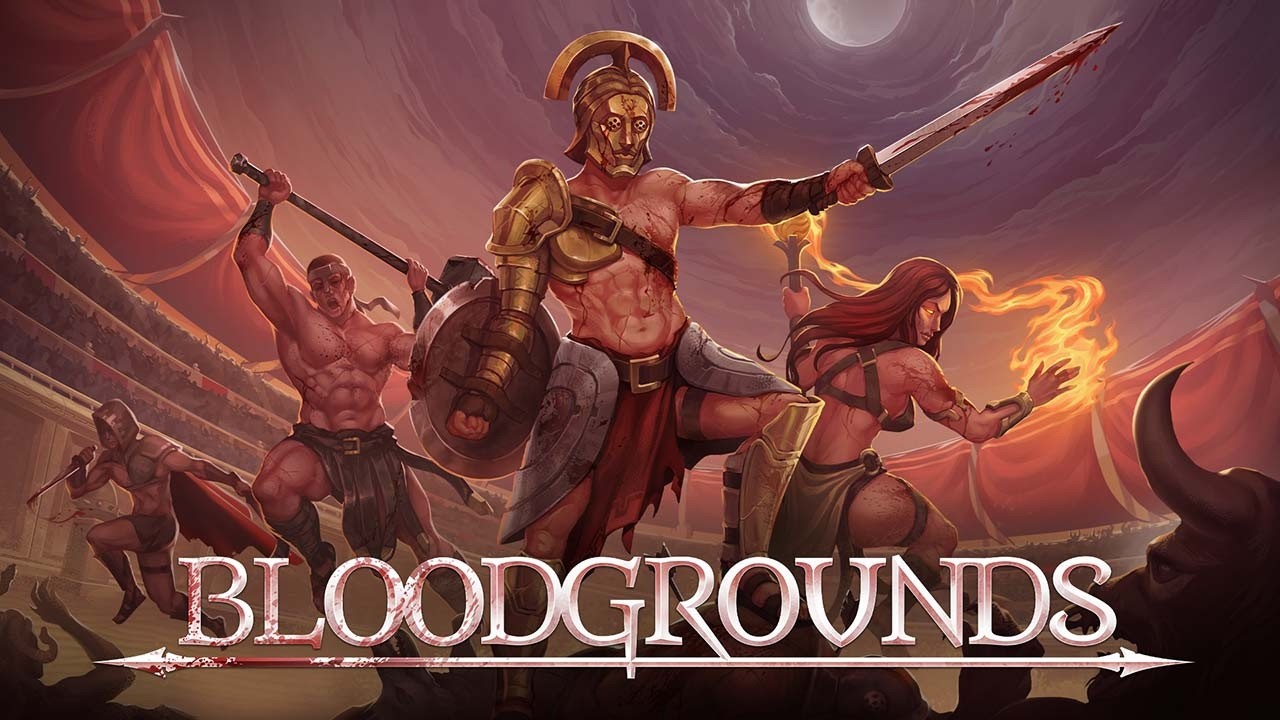
Bloodgrounds by Exordium Games blends brutal grid-based combat with deep city management. Lead a squad of gladiators through high-stakes arenas where permadeath and spectator demands dictate your survival. Rebuild your legacy in Marevento and execute your revenge against the corrupt Imperial regime.
Sharpen your steel and grease those gears—the sand of the arena is thirsty for more!

Bloodgrounds


Tactical Gladiator Combat in Bloodgrounds Turn-Based Arena Battles Combine Strategy, Positioning, and Class-Based Abilities
Bloodgrounds centers on tactical turn-based arena combat where careful planning determines whether a gladiator walks away victorious or becomes another fallen champion remembered only by the crowd. Battles take place on grid-based arenas where each unit acts in an initiative order, creating a strategic rhythm that rewards positioning, timing, and efficient use of action points. Players command teams of gladiators representing different combat roles including physical fighters, ranged attackers, and magical specialists. Each class introduces distinct abilities that influence how encounters unfold, encouraging players to experiment with formations, movement strategies, and tactical ability use during increasingly dangerous arena challenges.
The Mercy or Execution Recruitment System Arena Decisions Shape Your Gladiator Roster and Strategic Options
One of Bloodgrounds’ most defining gameplay systems appears during battle itself. When enemy combatants are defeated under certain conditions, players must decide whether to show mercy or execute them before the watching crowd. Showing mercy allows the defeated fighter to be recruited into the player’s growing roster of gladiators, expanding tactical options for future battles. Choosing execution instead pleases the arena audience and yields greater immediate rewards. This decision creates an ongoing balance between long-term roster building and short-term resource gain, giving each arena encounter narrative and strategic consequences that persist beyond a single fight.
Gladiator Training, Equipment, and Progression Leveling Systems and Gear Management Shape the Strength of Your Arena Team
Between arena battles, Bloodgrounds allows players to refine their gladiator teams through training, equipment upgrades, and ability progression. Fighters gain experience through combat, increasing their statistics and unlocking new combat abilities that expand tactical possibilities in future encounters. Equipment management plays an equally important role, with weapons, armor, and consumable items influencing survivability and damage output. Players must also address injuries, negative statuses, and battle trauma to keep their gladiators combat-ready. These systems collectively reinforce the importance of preparation, ensuring that success inside the arena begins long before the fight itself.
Permadeath and the High Stakes of Arena Warfare Every Tactical Decision Carries Consequences in a Roguelite Structure
Bloodgrounds integrates a permadeath system that raises the stakes of every battle. When a gladiator falls in combat, that character and their equipment are permanently lost. This mechanic transforms routine encounters into tense strategic moments where positioning errors or reckless attacks can reshape the entire roster. Rather than functioning as a punishment alone, permadeath strengthens the roguelite identity of the game by encouraging thoughtful risk management and strategic retreat when necessary. Each surviving gladiator becomes more valuable over time, making long-term planning a critical component of the arena campaign.
Audience Demands and Arena Spectacle Pleasing the Crowd Adds a Unique Strategic Layer to Tactical Battles
The arena audience is not simply a background element in Bloodgrounds. Spectators actively influence gameplay through their expectations for spectacle, brutality, or dramatic combat moments. Completing these crowd-driven objectives during battles often results in additional rewards after victory. This system encourages players to approach encounters creatively, sometimes prioritizing stylish eliminations or specific combat actions over pure efficiency. The presence of audience expectations introduces a thematic connection between gameplay mechanics and the gladiatorial setting, reinforcing the idea that every arena fight is a public performance as well as a tactical challenge.
City Management in Marevento Building Infrastructure Expands Strategy Beyond the Arena
Bloodgrounds extends its strategic depth through a city management system set in the coastal settlement of Marevento. After each arena victory, players return to their inherited estate overlooking the city where earned gold can be invested into constructing and upgrading buildings. These structures unlock new services that support gladiator training, recovery, and equipment acquisition. Facilities such as infirmaries, markets, and monuments provide practical benefits while gradually expanding the city’s functionality. As players progress through the arena circuit and defeat regional champions, new construction opportunities appear, creating a steady sense of strategic growth between battles.
Divine Powers and Underworld Deals External Influences Offer Tactical Advantages Before the Battle Begins
Preparation in Bloodgrounds goes beyond gladiator training and equipment management. Players can call upon divine powers to support their fighters during difficult battles, introducing supernatural abilities that can influence combat outcomes. At the same time, alliances with local crime lords offer more questionable advantages by sabotaging enemy teams before the fight begins. These options expand the strategic toolkit available to players, encouraging experimentation with different approaches when facing increasingly powerful arena opponents.
Revenge Against Emperor Dammas II A Political Story Drives the Gladiator Tournament Campaign
Beneath the arena spectacle lies a narrative centered on revenge and political corruption. The protagonist, once enslaved and forced into gladiatorial combat, now commands a team of fighters as a wealthy patron. Their long-term goal is to confront Emperor Dammas II, the ruler responsible for the destruction of their family and the theft of their freedom. Each arena victory brings the player closer to the imperial capital where the final confrontation awaits. While gameplay remains the primary focus, the narrative provides context for the rising stakes of the tournament circuit and the relentless push toward the emperor’s throne.
Strategic Replayability in a Roguelite Arena Campaign Dynamic Recruitment and Permanent Loss Create Unique Campaign Paths
Replay value in Bloodgrounds emerges from its roguelite structure and evolving gladiator roster. Because fighters can be recruited, executed, or permanently lost during combat, no two campaigns develop in exactly the same way. The composition of a player’s team, the buildings constructed in Marevento, and the tactical decisions made during key battles all shape the progression of the arena campaign. This variability encourages multiple playthroughs, allowing players to experiment with different strategies, team compositions, and approaches to managing the brutal politics of the gladiator circuit.
Final Verdict A Tactical Roguelite That Blends Arena Combat with Strategic Management
Bloodgrounds delivers a thoughtful interpretation of the tactical roguelite formula by merging grid-based arena combat with long-term gladiator management and city development systems. The combination of permadeath, recruitment decisions, and audience-driven objectives ensures that every battle carries meaningful consequences. Meanwhile, the strategic layer in Marevento reinforces the importance of preparation and planning between encounters. By integrating tactical combat, narrative motivation, and strategic infrastructure building, Bloodgrounds establishes a gameplay loop that rewards careful decision-making while maintaining the tension expected from a gladiator arena setting.
The VoxOdyssey Project Mission Statement for Feature games
I highlight what makes each game unique by examining gameplay mechanics, design choices, and storytelling. By analyzing systems, level design, and play styles, and referencing official media and assets, I aim to provide accurate, informative, and trustworthy insights. While I strive for accuracy, some details may change or be updated over time. Players can use this information to understand each title’s features and mechanics and make their own judgments.
Bloodgrounds Tactical Gladiator Strategy Gameplay Screenshots highlight arena combat and Marevento city management


Bloodgrounds Official Trailer – Tactical Gladiator Roguelite Strategy
Enter the brutal arenas of Bloodgrounds where strategy, gladiators, and crowd-fueled battles collide. Watch the trailer below to see tactical combat, recruitment choices, and city building in motion.

Stay connected with Bloodgrounds