

Sunken Engine Review – Lovecraftian Ship Repair Simulation on Steam
Restore a haunted shipyard, manage repairs and sanity, and survive eerie island mysteries in this atmospheric naval horror sim
Sunken Engine, developed by Two Nomads Studio and published by PlayWay S.A., is a story-rich ship repair simulation set on a fog-covered island. Diagnose damaged vessels, manage customer satisfaction, balance time and resources, and confront psychological horror as supernatural events threaten your sanity in this singleplayer Steam Early Access title.
Discover Sunken Engine’s ship repair systems, sanity mechanics, workshop upgrades, and dark Lovecraftian mystery

Sunken Engine


Sunken Engine by Two Nomads Studio – Lovecraftian Ship Repair Simulation on Steam Naval Restoration, Psychological Horror, and Story-Rich Singleplayer Design
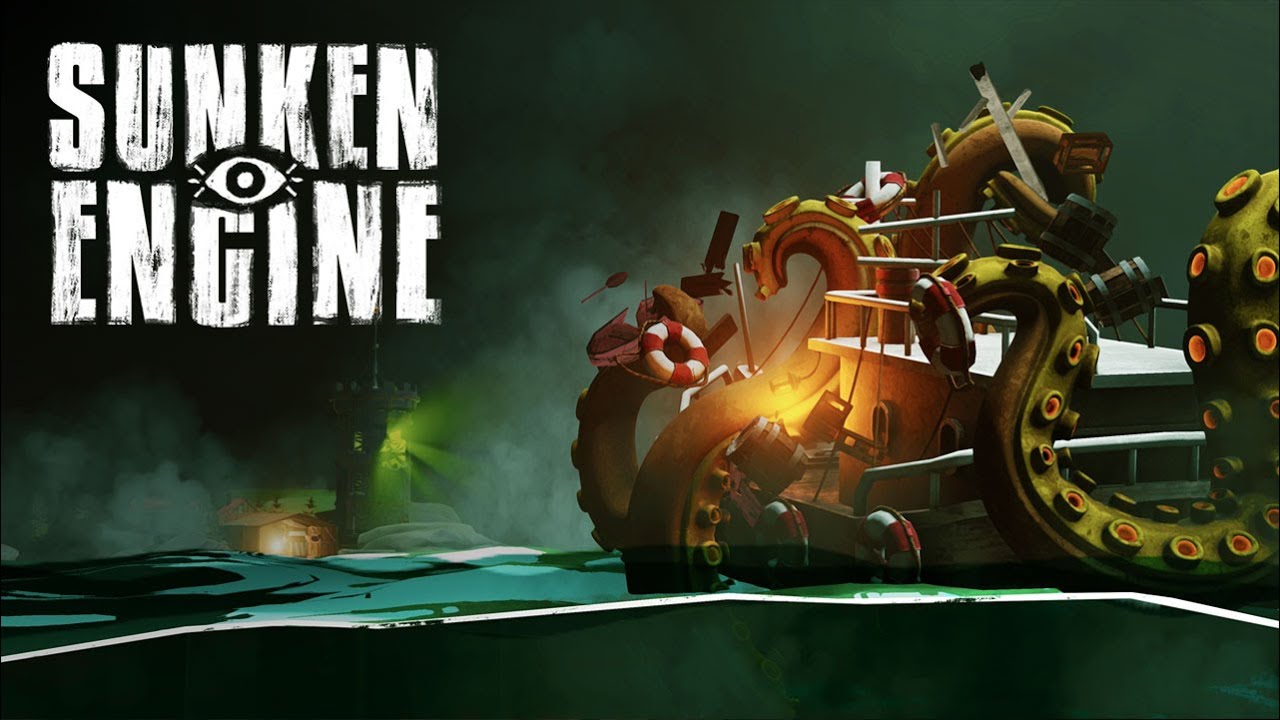
Sunken Engine, developed by Two Nomads Studio and published by PlayWay S.A., is a PC Steam Early Access title that merges ship repair simulation with Lovecraftian horror. Set on a fog-covered island shipyard inherited from your father, the game frames routine naval restoration within a persistent atmosphere of dark mystery. Every vessel that docks requires structural work, yet each arrival also introduces unsettling customers and fragments of a larger narrative. This balance between occupational gameplay and psychological tension defines Sunken Engine as both a horror simulation and a focused life sim built around restoring a deteriorating shipyard.
Core Ship Repair Gameplay and Time Management Systems Customer Satisfaction, Resource Planning, and First-Person Immersion
At its mechanical foundation, Sunken Engine operates as a first-person 3D ship repair simulation. Players inspect hull damage, replace worn components, and manage tools while working against financial and practical constraints. Time management is central to progression, as completing contracts efficiently directly impacts customer satisfaction gameplay metrics. Each repair reinforces a structured workflow: assess the vessel, allocate limited resources, complete required tasks, and deliver results before economic pressure escalates. These systems anchor the experience in recognizable simulation design while maintaining immersion through hands-on interaction.
Sanity Mechanics and Psychological Horror Integration Supernatural Events and the Risk of Madness
What distinguishes Sunken Engine from traditional naval simulators is its integrated sanity system. As players restore ships and explore their interiors, supernatural disturbances begin to surface. Psychological horror unfolds gradually through environmental changes and narrative cues tied to specific vessels. Managing mental stability becomes as important as repairing physical damage. The threat is not limited to financial failure; losing control can intensify exposure to eerie island events. This design reinforces the Lovecraftian game identity while preserving the structured mechanics of a simulation.
Economic Survival and Salvage Systems Market Sales, Scarcity, and Choices That Matter
Beyond direct repairs, Sunken Engine incorporates an economy system shaped by scarcity. Materials salvaged from shipwrecks can be sold at a market stall, providing essential income to keep the shipyard operational. Financial decisions influence long-term stability, reinforcing the life sim and time management elements of the design. Risk and reward intersect as players weigh immediate profit against broader narrative implications. This structure strengthens the sense that choices matter within both the business framework and the unfolding dark mystery.
Workshop Customization and Progressive Licensing Upgrades, Larger Contracts, and Expanding Complexity
Progression is tied to reinvestment and licensing expansion. Completing contracts unlocks access to larger, more complex ships that demand advanced tools and more deliberate planning. Workshop customization allows players to upgrade equipment and refine their workspace, directly supporting efficiency in future repairs. The restore shipyard objective evolves from basic survival into structured growth. As mechanical demands increase, narrative tension also deepens, ensuring that advancement carries both practical and psychological weight.
Narrative Discovery and Environmental Storytelling Haunted Vessels and the Island’s Maritime Secrets
Sunken Engine’s story-rich framework unfolds through interaction rather than linear exposition. Each damaged vessel contains fragments of a larger mystery connected to your father’s past and the island’s history. Investigation emerges naturally during repair tasks, blending adventure mystery game elements with hands-on simulation work. The fog-bound setting and limited isolation reinforce the sense that something ancient lingers beyond the docks. The result is an atmospheric experience where narrative and mechanics remain inseparable.
Atmosphere and Genre Positioning Naval Simulation Meets Lovecraftian Thriller
On Steam, Sunken Engine occupies a niche intersection of simulation, immersive sim design, and psychological thriller. Ship repair simulation rarely intersects with horror in this manner, making its thematic integration distinctive. The game’s stylized yet grounded presentation emphasizes tension over spectacle. By combining customer satisfaction gameplay, sanity management, workshop upgrades, and sustained atmospheric pressure, Sunken Engine positions itself as a focused singleplayer horror simulation rooted in practical labor.
Replayability and Systemic Variation Economic Strategy, Sanity Balance, and Contract Management
Replayability emerges from the interaction between economic survival systems, sanity mechanics, and contract selection. Different approaches to resource allocation or pacing can alter the rhythm of progression. Because psychological stability influences experience, repeated playthroughs may shift emphasis between financial optimization and risk exposure. The balance between restoring operations and confronting supernatural escalation ensures that each session maintains tension within the singleplayer framework.
Final Verdict A Story-Rich Lovecraftian Ship Repair Simulation with Psychological Depth
Sunken Engine integrates naval restoration mechanics, time management systems, and psychological horror into a cohesive PC Steam experience. Developed by Two Nomads Studio and published by PlayWay S.A., it reframes the concept of a ship repair simulation through sustained atmosphere and narrative discovery. By uniting customer satisfaction gameplay, economic survival, workshop progression, and sanity management within a dark maritime setting, Sunken Engine establishes a distinctive position within the simulation and horror genres. The result is a methodical yet unsettling singleplayer experience where restoring damaged vessels becomes inseparable from confronting the mysteries that surround them.
The VoxOdyssey Project Mission Statement for Feature games
I highlight what makes each game unique by examining gameplay mechanics, design choices, and storytelling. By analyzing systems, level design, and play styles, and referencing official media and assets, I aim to provide accurate, informative, and trustworthy insights. While I strive for accuracy, some details may change or be updated over time. Players can use this information to understand each title’s features and mechanics and make their own judgments.
Sunken Engine – Lovecraftian Ship Repair Simulation in Action Screenshots of Ship Repair Gameplay, Sanity Mechanics, Workshop Upgrades, Salvage Economy, and Eerie Island Horror


Sunken Engine Teaser – First Look at Lovecraftian Ship Repair and Psychological Horror
Watch the Sunken Engine teaser trailer for a first glimpse of its atmospheric ship repair simulation. See hints of workshop upgrades, eerie island events, and subtle supernatural disturbances that set the tone for managing repairs, balancing sanity, and restoring a haunted shipyard in this story-rich Steam Early Access experience.

Stay connected with Dead in Antares


