Gaucho and the Grassland – Animal Farming Sim with Folklore Exploration
A Latin American farming sim focused on animal husbandry, barter systems, and open world folklore quests
Gaucho and the Grassland is a farming and life simulation game where players herd animals, trade resources, explore biomes, and complete folklore-driven quests in a culturally grounded open world.
Saddle up, follow the trail, and uncover what the grasslands are hiding

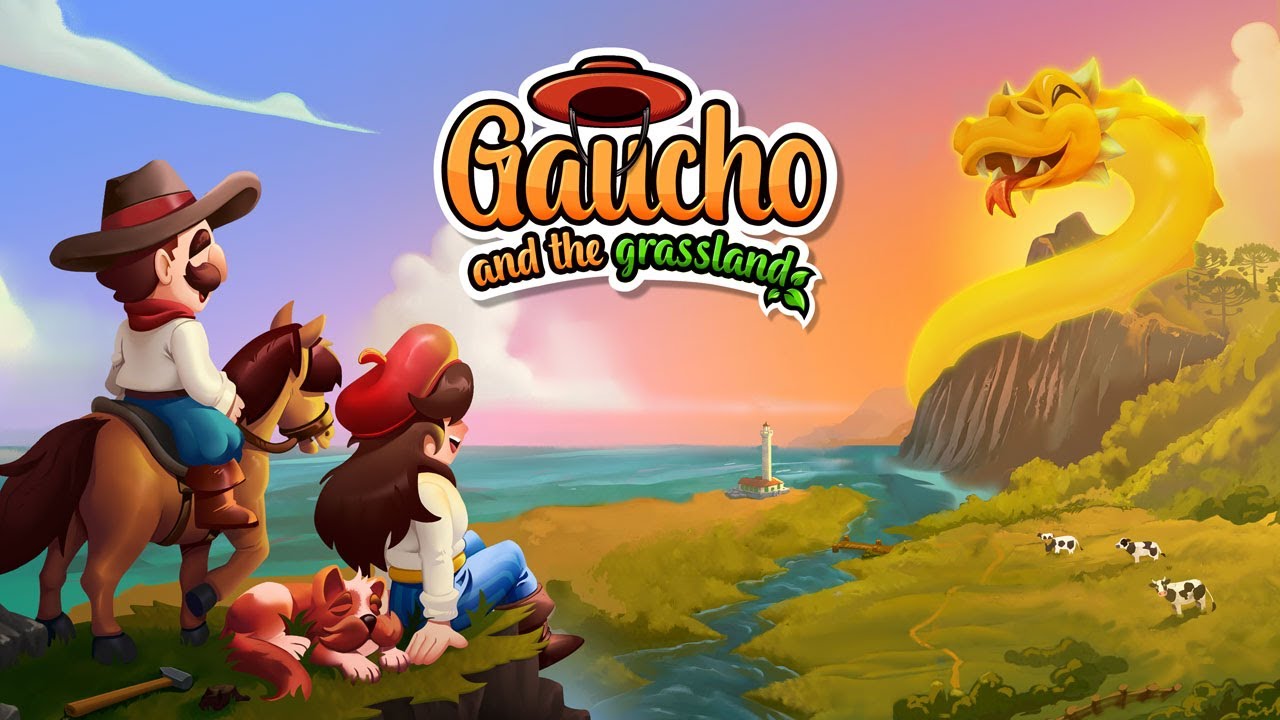
Gaucho and the Grassland


Animal Husbandry Systems and Farming Sim Gameplay in Gaucho and the Grassland Herding Mechanics, Resource Loops, and Active Land Management
Gaucho and the Grassland gameplay is built around animal husbandry rather than traditional crop farming, shifting the focus toward herding, breeding, and habitat management. Players actively guide livestock using tools and positioning, creating a more hands-on farming loop. Resources are generated through animal care, and progression depends on maintaining efficient systems rather than passive growth cycles. If animals are neglected or poorly managed, then resource output slows, directly affecting expansion and trade opportunities across the open world.
Barter Economy and Resource Exchange Systems No Currency, Item Trading, and Localized Progression Loops
The game replaces traditional currency with a barter economy, where items such as Orange Raw Wool or Purple Fish are traded with NPCs like Iracema and Old Gus. This system requires players to gather specific materials tied to different biomes and activities, reinforcing exploration and planning. Each exchange is intentional, as progression is gated by what the player can produce or collect. If trades are approached without preparation, then access to upgrades and tools becomes limited, slowing overall progression within the farming simulation structure.
Exploration, Biomes, and Companion Utility Open World Traversal with Cusco and Alazão Supporting Discovery
Exploration in Gaucho and the Grassland is structured across multiple biomes, including grasslands, highlands, and coastal regions, each offering distinct resources and environmental conditions. Movement and efficiency are shaped by companions, with Alazão supporting traversal and herding while Cusco identifies hidden items. These systems encourage players to revisit areas and engage with the environment beyond surface-level interaction. If exploration is limited to direct objectives, then valuable resources and hidden progression paths are often missed.
Gaita System and Cultural Gameplay Integration Music Mechanics, Fast Travel, and the Gaucho Cultural Center Hub
The introduction of the Gaita system adds a layered mechanic that combines rhythm gameplay with fast travel functionality. Players perform musical sequences at locations such as the Gaucho Cultural Center, where interactions with the Patrão and other NPCs provide rewards and unlock traversal routes. This system connects cultural expression with mechanical progression, offering an alternative way to navigate the world. If the Gaita system is underused, then movement across distant regions becomes slower and less efficient over time.
Folklore Systems and Environmental Challenges Boitatá Corruption Events and Negrinho do Pastoreio Guidance
Folklore entities are integrated directly into gameplay systems rather than existing as background narrative. Boitatá appears as a fire-serpent that corrupts sections of the environment, requiring players to navigate maze-like areas and repair totems to restore balance. In contrast, Negrinho do Pastoreio functions as a guide, offering direction and hints tied to his traditional role in lost-and-found storytelling. These encounters create structured challenges that connect cultural mythology with mechanical progression. If these systems are ignored, then environmental obstacles persist and limit access to certain regions.
Mate System, Social Interaction, and Character Progression Chimarrão Crafting, Charisma Growth, and NPC Engagement
The Mate system operates as both a stamina resource and a social mechanic, requiring a gourd and bombilla to craft Chimarrão. Sharing and using Mate contributes to interactions with NPCs, supporting the charisma system that unlocks new dialogue, tools, and building options. This creates a loop where social engagement directly impacts progression. If players overlook the Mate system, then both stamina efficiency and relationship-based progression are reduced, limiting access to advanced gameplay features.
Narrative Structure and Cultural Context Guardian Mechanics, Ghost Father Guidance, and Historical References
Narrative progression is delivered through environmental storytelling and guided systems, including the presence of the protagonist’s deceased father, who introduces core Guardian mechanics. This guidance is integrated into gameplay rather than separated through extended exposition. The inclusion of historical references, such as skins inspired by Bento Gonçalves and Anita Garibaldi, connects the game world to the Farroupilha Revolution, reinforcing its regional identity. If players engage with optional content, then additional cultural and narrative context becomes available.
Replayability and System-Driven Progression Biome Expansion, Hidden Resources, and Layered Gameplay Systems
Replayability in Gaucho and the Grassland is supported through exploration depth, system mastery, and incremental world expansion. Hidden items, biome-specific resources, and evolving trade opportunities encourage players to revisit areas with improved tools and knowledge. Progression is tied to understanding interconnected systems rather than random variation. If players refine their approach to herding, trading, and exploration, then efficiency increases and new opportunities emerge across the game world.
Final Verdict A Farming Sim Built on Animal Systems, Culture, and Interconnected Mechanics
Gaucho and the Grassland presents a focused reinterpretation of the farming simulation genre by prioritizing animal husbandry, barter-based progression, and folklore-driven gameplay systems. Its mechanics are closely tied to cultural context, from the Mate system to the Gaita fast travel network, creating a cohesive structure where each system supports the next. Exploration, resource management, and narrative elements are consistently aligned, resulting in a simulation experience defined by interaction and system awareness rather than routine cycles.
The VoxOdyssey Project Mission Statement for Feature games
I highlight what makes each game unique by examining gameplay mechanics, design choices, and storytelling. By analyzing systems, level design, and play styles, and referencing official media and assets, I aim to provide accurate, informative, and trustworthy insights. While I strive for accuracy, some details may change or be updated over time. Players can use this information to understand each title’s features and mechanics and make their own judgments.
Gaucho and the Grassland Gameplay – Animal Farming Sim and Exploration Systems Screenshots show herding, barter trading, folklore quests, and open world biomes


Gaucho and the Grassland Trailer – Farming Sim Exploration and Folklore Systems
Take a closer look at herding, trading, and folklore quests in motion. Watch how the world unfolds and see the systems come together in the video below.

Stay connected with Gaucho and the Grassland