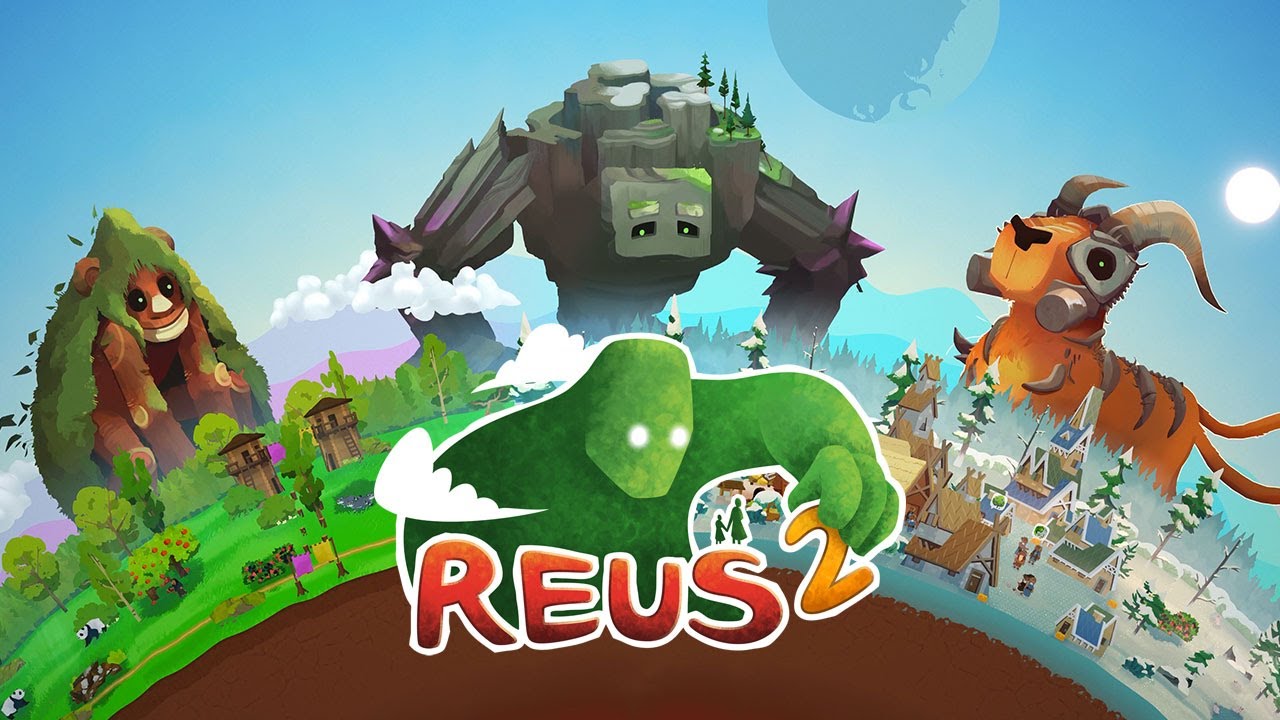
Reus 2 Review – God Simulation and Planetary Strategy
Command elemental giants, shape ecosystems, and guide civilizations in Reus 2 by Abbey Games and Firesquid
Reus 2 is a singleplayer god simulation and sandbox strategy game where players command elemental giants to shape planets and guide civilizations. Developed by Abbey Games and published by Firesquid, it combines ecosystem management, resource strategy, and planetary creation in a dynamic, emergent gameplay experience.
Explore Reus 2’s god simulation gameplay, ecosystem strategy, and world-building mechanics

Reus 2


Reus 2: Exploring Abbey Games’ Refined God Simulator Elemental Giants, Ecosystem Management, and Civilization Aspirations
Reus 2 refines the singleplayer god simulation into a strategic sandbox. Developed by Abbey Games and published by Firesquid, it emphasizes ecosystem balance and careful resource placement rather than large-scale conflict. Civilizations respond dynamically to planetary conditions, pursuing Aspirations that reward thoughtful planning, experimentation, and adaptation to environmental challenges. The planetary sandbox offers multiple ways to achieve objectives while encouraging emergent storytelling from the systems themselves.
Managing the Roster: Choosing Giants Strategically Select 3 Giants from a Roster of 6, Each with Unique Powers
At the start of each planet, three giants are selected from a roster of six core options, including Rock, Swamp, Forest, Ocean, Desert, and Frost. Each giant affects terrain and resource distribution, while biotic placement creates synergies that influence settlements. For example, placing the Frost giant near desert biomes reduces heat stress and improves plant growth, which in turn boosts the productivity of nearby villages pursuing Knowledge Aspirations. Choosing the right combination of giants shapes the strategy for the entire planetary session.
Navigating Civilization Aspirations City Goals, Strategic Favoring, and Metamorphosis Progression
Civilization progress revolves around Aspirations, such as Knowledge, Wealth, or Growth. Leaders like the Botanist or Merchant present specific challenges: the Botanist requires abundant flora for research, while the Merchant demands strategic trade resources. Meeting these objectives unlocks the next tier of development, while the Metamorphosis system provides permanent upgrades and new giant variants. During a Cataclysm event, for instance, human settlements struggled with mineral shortages, forcing adjustments to biome placement to satisfy Aspirations and stabilize production.
Ecosystem Strategy: The Weight of Symbiotic Design Biome Planning, Biotic Interactions, and Planetary Balance
Symbiotic interactions between biotics remain central to Reus 2. Each placement affects neighboring tiles, creating cascading effects on human settlements. A predator positioned near compatible prey can boost city output, while poorly timed placement may trigger resource bottlenecks. Strategic layering of biotics and giant abilities encourages foresight and careful planning, making planetary management both engaging and systemically complex.
Technical Performance and Visual Clarity Hand-Drawn 2D Aesthetics, Atmospheric Audio, and Clear Feedback
The hand-drawn 2D art style maintains the series’ charm while improving interface readability. Visual indicators highlight thriving biotics, broken synergies, and active city Aspirations, making strategic oversight intuitive. Audio adapts with zoom level, reinforcing planetary scale and individual settlement detail. Even with overlapping giant effects and complex biotic interactions, performance remains stable, supporting uninterrupted strategic planning.
Verdict: Strategic Depth and Emergent Storytelling Resource Planning, Civilization Responses, and Dynamic Outcomes
Emergent storytelling arises from balancing city Aspirations, giant abilities, and ecosystem interactions. Cataclysm events, such as droughts or resource bottlenecks, create tangible challenges that require strategic adjustments. Reus 2 rewards careful planning, foresight, and adaptability, making each planet a unique sandbox of decision-making. Abbey Games and Firesquid have refined a god simulation that emphasizes systems over scripted narrative, offering a deeply satisfying, methodical, and emergent 2D experience.
The VoxOdyssey Project Mission Statement for Feature games
I highlight what makes each game unique by examining gameplay mechanics, design choices, and storytelling. By analyzing systems, level design, and play styles, and referencing official media and assets, I aim to provide accurate, informative, and trustworthy insights. While I strive for accuracy, some details may change or be updated over time. Players can use this information to understand each title’s features and mechanics and make their own judgments.
Reus 2 – Craft Worlds with Elemental Giants Explore Screenshots of Planetary Sandbox Design, Ecosystem Management, Civilization Growth, and Strategic Giant Intervention


Reus 2 Trailer – Strategic 2D God Simulation
Watch the Reus 2 trailer below to see elemental giants in action, shaping planetary ecosystems, guiding civilizations, and demonstrating emergent strategic gameplay.