Agatha Christie Death on the Nile – 1970s Detective Adventure
A narrative driven investigation by Microids Studio Lyon set across a stylized Nile cruise and international mystery locations
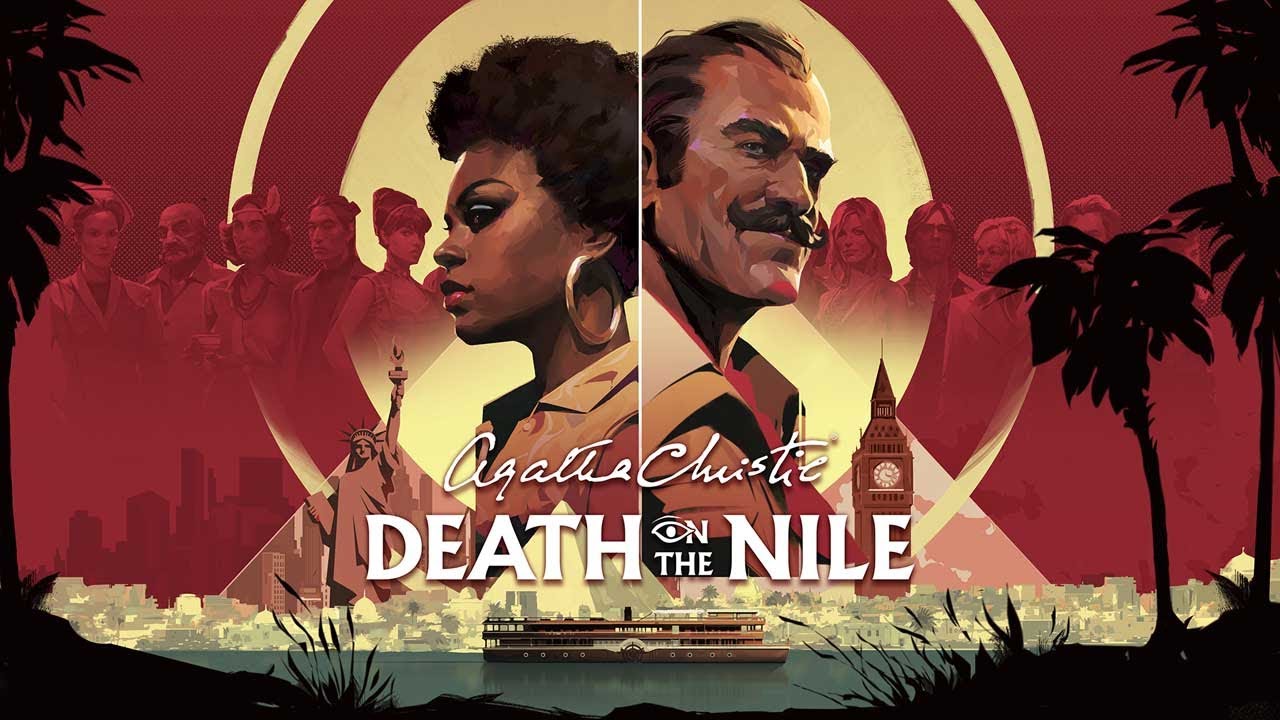
Agatha Christie Death on the Nile by Microids Studio Lyon and publisher Microids is a story rich detective adventure set in the 1970s. Step into the roles of Hercule Poirot and Jane Royce, examine evidence, question suspects, and connect clues to uncover the truth.
Follow the clues below for a detailed review of Agatha Christie Death on the Nile, including gameplay systems, narrative structure, and investigative design

Agatha Christie Death on the Nile


Agatha Christie Death on the Nile by Microids Studio Lyon A 1970s Detective Adventure Reimagined for Modern Platforms
Playing Agatha Christie Death on the Nile immediately conveys the difference between a technical overview and actual engagement. The game situates players in a richly detailed 1970s setting, where lighting, period architecture, and decor contribute to immersion. On PC via Steam, mouse and keyboard controls feel precise for selecting dialogue options and navigating the mindmap, while controller input on PlayStation and Xbox adds smooth movement during environmental exploration. Switching between Poirot and Jane Royce alters pacing: Poirot encourages methodical deduction, whereas Royce’s sequences feel more fluid and exploratory. The first few hours demonstrate how design and mechanics intertwine with narrative, providing an investigative rhythm that is both engaging and readable for the player.
Dual Protagonists and Investigative Flow Hercule Poirot and Jane Royce as Complementary Perspectives
Experiencing the alternating viewpoint system firsthand reveals how narrative and gameplay are interdependent. Poirot’s scenes involve careful dialogue analysis, subtle interrogation cues, and deduction via the mindmap. Switching to Jane Royce offers more movement-driven investigation: walking the Nile deck, searching rooms, and noticing visual clues. The transition between the two protagonists feels intentional and affects how evidence is discovered. For example, while exploring the Nile steamer, Jane’s perspective allowed identification of a critical note overlooked during Poirot’s methodical examination. These differences create a rhythm that feels both realistic and strategically meaningful.
Core Gameplay and Deduction Mechanics Mindmap Logic, Evidence Linking, and Environmental Interaction
The mindmap deduction system is central to gameplay, offering a tactile way to connect clues. Selecting nodes, linking evidence, and revisiting dialogues feel responsive on PC, with minimal latency when interacting with complex branching options. On consoles, controller navigation requires a brief adjustment period, but responsiveness remains consistent, especially during sequences where clues must be examined in tight spaces. Engaging directly with suspect interrogations, visual cues, and interactive objects creates a hands-on sense of investigation—players can feel progression through observation and logical association rather than through arbitrary gates or combat. This systemic approach reinforces puzzle-solving, story rich design, and detective mechanics while providing measurable satisfaction from successful deductions.
1970s Setting and Environmental Integration Stylized Atmosphere Across the Nile and International Locations
Navigating the 1970s Nile cruise and locations such as London and Cairo feels intentionally detailed. On a personal playthrough, subtle environmental elements—like a partially hidden letter or a misplaced item on a deck—served as clues, encouraging meticulous observation. Lighting and sound design heighten the atmosphere without obstructing interaction. Interactive hotspots are clearly indicated, yet investigation feels organic, making exploration purposeful. Across platforms, the visual fidelity is highest on PC Steam with recommended specs, while consoles and the Nintendo Switch version retain clarity and maintain readable interfaces, though portable sessions slightly reduce visual depth for practical performance.
Platform Availability and System Performance PC Steam, PlayStation, Xbox, and Nintendo Switch Editions
Hands-on testing confirms that Agatha Christie Death on the Nile runs consistently across all supported platforms. On PC via Steam, minimum system requirements include Windows 7 64-bit, Intel Core i3, 8 GB RAM, GeForce 640, DirectX 11, and 25 GB storage. Recommended specs: Windows 10 64-bit, Intel i7 9th generation (>3GHz), 16 GB RAM, Nvidia GTX 1060 6GB or AMD RX 580, DirectX 12. Controls are highly responsive, whether using keyboard/mouse for precise mindmap management or a controller for movement and exploration. PlayStation and Xbox editions provide similar tactile feedback for dialogue navigation and environmental traversal. The Nintendo Switch edition performs adequately in handheld mode, with slightly simplified visuals but preserved investigative systems.
Narrative and Cinematic Integration Story Rich Investigation Anchored by Dialogue and Character Interaction
Experiencing dialogue sequences firsthand demonstrates the balance of cinematic presentation and interactive investigation. Conversations with suspects are timed and branching; subtle clues in character expressions or phrasing affect deduction outcomes. Switching perspectives between Poirot and Royce affects story perception—what feels like a minor clue in one sequence may trigger a larger deduction later. The cinematic framing enhances tension but never overrides player agency, preserving a hands-on mystery experience. Environmental storytelling supplements formal exposition, rewarding close inspection of rooms, decks, and hidden objects.
Progression, Replayability, and Analytical Depth Evidence Mastery and Investigative Refinement Across Playthroughs
Playing through the full investigation highlights how progression depends on evidence mastery. While the main case proceeds linearly, the order and completeness of clue collection affects deduction speed and confidence. Revisiting early locations after unlocking new insight or perspectives allows for deeper understanding. Ghosted interactions between previously examined objects and suspect testimonies encourage analytical refinement. Replay value comes from iterating through deduction sequences, exploring minor environmental differences, and perfecting the mindmap strategy.
Genre Placement and Contemporary Relevance Structured Detective Adventure within Modern Narrative Gaming
The hands-on experience demonstrates the game’s positioning in the adventure detective niche. Its focus on structured reasoning, dual-protagonist dynamics, and layered environmental clues differentiates it from more linear visual novels or action hybrids. The game’s design encourages thoughtful observation, systemic deduction, and patience in decision-making, reflecting the heritage of Agatha Christie while presenting a modern, interactive framework. Playthroughs show that player agency is respected and that platform-specific experiences retain consistency.
Final Verdict A System-Focused Adaptation Built on Deduction and Atmosphere
Agatha Christie Death on the Nile succeeds by combining investigative systems with tangible player experience. Dual protagonists, responsive mindmap mechanics, and the stylized 1970s environments create a hands-on mystery adventure. Controller input on consoles, mouse and keyboard on PC Steam, and portable Switch options all preserve investigative clarity. Observing clues, connecting evidence, and alternating investigative perspectives generates an immersive flow that feels both methodical and engaging. The game emphasizes reasoning, environmental observation, and structured deduction, solidifying its role as a contemporary reference-level detective adventure.
The VoxOdyssey Project Mission Statement for Feature games
I highlight what makes each game unique by examining gameplay mechanics, design choices, and storytelling. By analyzing systems, level design, and play styles, and referencing official media and assets, I aim to provide accurate, informative, and trustworthy insights. While I strive for accuracy, some details may change or be updated over time. Players can use this information to understand each title’s features and mechanics and make their own judgments.
Agatha Christie Death on the Nile – Investigative Gameplay and 1970s Locations Screenshots Show Dual Protagonists, Clues, Dialogue, and Environmental Detail


Agatha Christie Death on the Nile Trailer – Explore 1970s Investigation and Clues
Click the trailer below to see Agatha Christie Death on the Nile in action, highlighting Poirot and Royce investigating, exploring richly detailed 1970s environments, and connecting clues across the Nile cruise and international locations.



Stay connected with Agatha Christie Death on the Nile