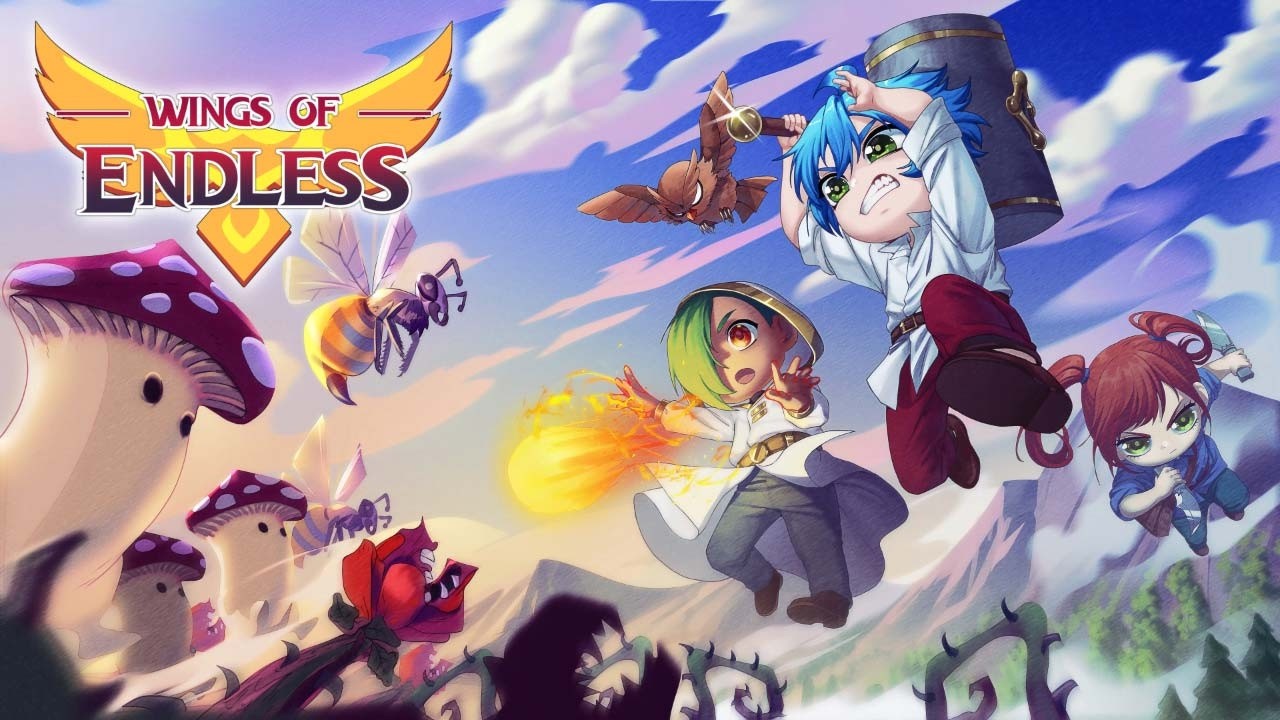
Wings of Endless – Pixel Art Action RPG With Real-Time Hero Switching
A 2D platforming action RPG by Isoca Games featuring character switching combat, crafting systems, and world exploration
Wings of Endless is a pixel art action RPG where players control multiple heroes in real time, combining combat abilities, crafting consumables, and exploring interconnected environments shaped by a forgotten war.
Switch heroes, uncover secrets, and see how far the world really extends

Wings of Endless


2D Platforming Action RPG Combat in Wings of Endless Gameplay Real-Time Hero Switching, Combo Flow, and Adaptive Encounters
Wings of Endless gameplay is built around a 2D action RPG framework where combat is shaped by real-time switching between three playable heroes. Each character brings a distinct combat role, allowing encounters to evolve based on how abilities are combined rather than repeated. Enemy patterns and environmental hazards require consistent adaptation, encouraging players to shift characters mid-combat to maintain control of the battlefield. Attacks are manually executed, placing emphasis on timing and positioning, while the ability to chain actions between characters creates a flexible combat rhythm. If switching is used reactively rather than strategically, then encounters become slower and less efficient, particularly as enemy density increases across later areas.
Character Switching System and Combat Synergy Three Heroes, Distinct Roles, and Coordinated Ability Use
The three-character system in Wings of Endless—Hariku, Diana, and Makoto—forms the mechanical core of its combat design. Each hero is defined by specific strengths, encouraging players to rotate between them to address different threats. This system supports layered combat interactions, where one character’s abilities can create openings that another can exploit. Rather than functioning as separate playstyles, the characters are designed to operate as a unified toolkit. As encounters become more complex, efficient switching becomes essential to maintain momentum. If players rely too heavily on a single character, then combat encounters tend to take longer and limit access to the full range of available strategies.
Exploration, Platforming, and Environmental Puzzles Interconnected Regions, Traversal Challenges, and Ability-Based Progression
Exploration in Wings of Endless is structured through interconnected environments that combine platforming traversal with embedded puzzle elements. Regions such as deserts, marshlands, forests, and snow zones introduce variations in terrain and navigation, requiring players to adapt movement and timing. Progression is often tied to the use of specific character abilities, linking traversal directly to the combat system. Environmental puzzles are integrated into the world rather than isolated, encouraging players to observe surroundings and experiment with character skills. If traversal is approached without considering character abilities, then certain paths and hidden areas remain inaccessible, reinforcing the importance of system awareness during exploration.
Crafting System and Resource Management Consumable Creation, Ingredient Use, and Combat Preparation
The crafting system in Wings of Endless introduces a structured approach to resource management through the creation of consumable items. Ingredients collected during exploration can be combined to produce potions that support different aspects of gameplay, including survivability and combat efficiency. This system operates as a preparation layer, allowing players to adjust their approach before engaging in more demanding encounters. Crafting decisions are influenced by available resources and anticipated challenges, adding a strategic dimension outside of direct combat. If resources are used without planning, then players may find themselves underprepared for extended encounters where sustained performance becomes necessary.
Narrative Progression and World Integration A Forgotten War, Character-Driven Storytelling, and Environmental Context
The narrative of Wings of Endless unfolds through the journey of Hariku as a routine bounty escalates into an investigation of an ancient war. Story elements are introduced gradually, with character interactions and environmental details providing context rather than relying on extended exposition. The presence of Owly as a companion offers additional perspective without interrupting gameplay flow. Each region reflects aspects of the world’s history, connecting exploration with narrative progression. If players engage with optional areas and side missions, then additional context emerges, expanding the understanding of the world beyond the main storyline.
Pixel Art Presentation and Gameplay Readability Detailed Environments, Clear Visual Feedback, and Consistent Style
Wings of Endless uses a pixel art visual style to support both aesthetic identity and gameplay clarity. Environments are designed with distinct visual themes that separate regions while maintaining consistent readability during combat and traversal. Character animations and enemy designs are clearly defined, allowing players to track movement and respond to threats without confusion. Visual effects are applied in a controlled manner to highlight actions without overwhelming the screen. If multiple enemies and effects appear simultaneously, then the visual structure remains organized enough to preserve player awareness, ensuring that gameplay information is always accessible.
Replayability and System-Driven Progression Side Missions, Exploration Depth, and Completion Incentives
Replayability in Wings of Endless is supported through its structured world design and optional content. Side missions provide additional objectives that expand both gameplay and narrative context, while hidden areas encourage revisiting earlier regions with improved abilities. The combination of combat optimization, crafting efficiency, and exploration depth creates multiple layers of engagement. Progress is not randomized, which places emphasis on player decision-making and thorough exploration. If players revisit areas with a refined understanding of mechanics, then new paths and efficiencies become apparent, extending the game’s long-term engagement.
Final Verdict A Cohesive Pixel Art Action RPG Focused on System Integration and Exploration
Wings of Endless presents a structured interpretation of the 2D action RPG by combining real-time character switching, platforming traversal, and crafting systems into a unified design. Its combat relies on coordinated use of multiple heroes, while exploration and progression are shaped by environmental interaction and resource management. The pixel art presentation supports clarity and consistency, reinforcing both gameplay and world design. While it follows established genre conventions, its emphasis on system integration and player-driven progression results in a balanced experience where effectiveness is determined by how well mechanics are understood and applied across the full scope of the game.
The VoxOdyssey Project Mission Statement for Feature games
I highlight what makes each game unique by examining gameplay mechanics, design choices, and storytelling. By analyzing systems, level design, and play styles, and referencing official media and assets, I aim to provide accurate, informative, and trustworthy insights. While I strive for accuracy, some details may change or be updated over time. Players can use this information to understand each title’s features and mechanics and make their own judgments.
Wings of Endless Gameplay – 2D Action RPG Combat and Exploration Systems Screenshots show hero switching, platforming, crafting, and pixel art environments


Wings of Endless Trailer – Pixel Art Action RPG Combat and Hero Switching
Follow Hariku’s journey and watch combat, platforming, and exploration come together. Press play below to see how hero switching and world design shape the adventure.