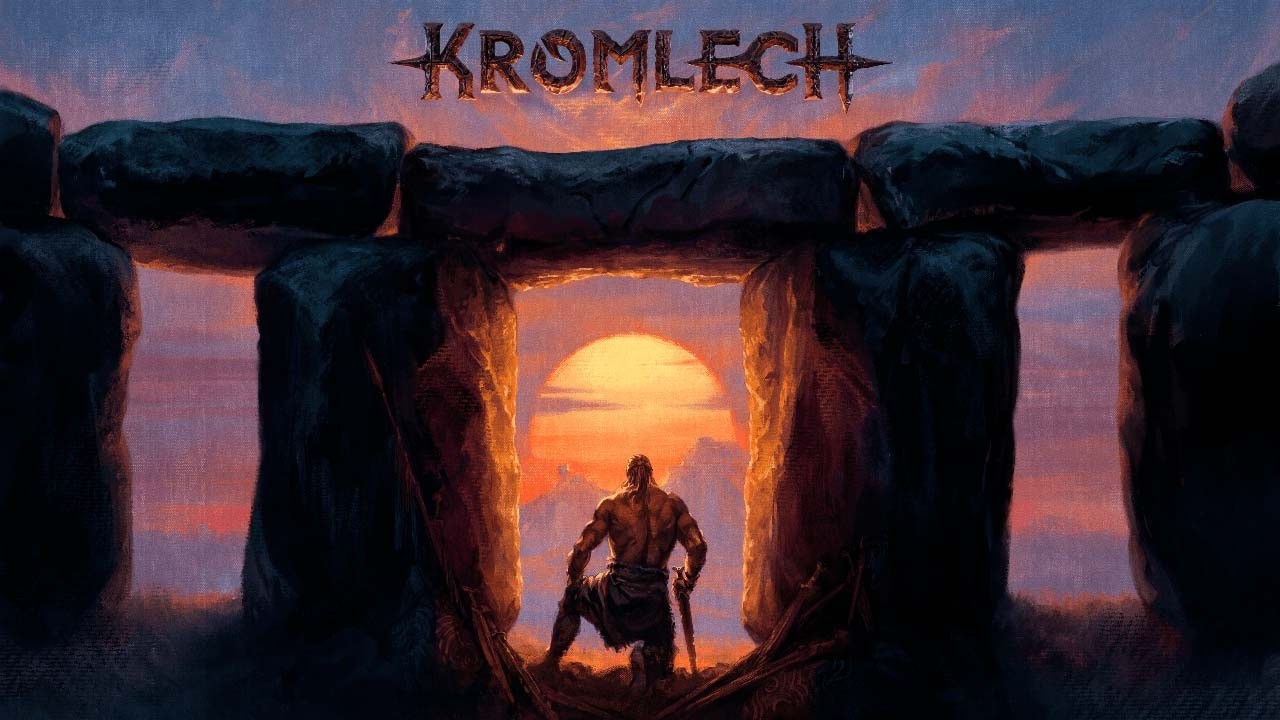
Kromlech – Dark Fantasy Action RPG & Immersive Sim Rogue-lite
Master tactical melee combat and Iron Age sorcery in a reactive, hand-crafted sandbox world.
Kromlech blends deep immersive sim design with rogue-lite meta-progression. Navigate a gritty Celtic-inspired world as Cronach, utilizing tactical strikes, ancient inscriptions, and ritual sacrifices to survive a world-ending calamity where every choice reshapes the dying landscape.
Will you become the hero this dying world needs, or the menace it truly deserves?

Kromlech


Kromlech Combat Systems and Tactical Melee Design Precision Strikes, Armor Degradation, and Reactive Close-Quarters Combat
Kromlech structures its combat around deliberate, timing-sensitive melee engagements where positioning and enemy awareness shape the outcome of every encounter. Rather than relying on rapid attack loops alone, the system introduces layered mechanics such as armor breakage, targeted strikes, and stamina-influenced actions. This creates a combat rhythm where players must read enemy behavior before committing to an attack sequence. If engagements are approached without consideration for enemy weaknesses or spacing, then encounters become inefficient and resource-draining. The result is a tactical melee framework that aligns closely with modern hardcore action RPG design while maintaining grounded, physical combat feedback.
Immersive Sim Foundations and World Reactivity A Hand-Crafted Sandbox Driven by Player Agency and Consequence
At its core, Kromlech operates as an immersive sim RPG where player choice directly influences world state and progression pathways. The hand-crafted environment is designed with systemic reactivity in mind, allowing actions such as combat decisions, exploration routes, and interactions to alter how the world responds. This extends beyond surface-level variation, affecting quest availability, environmental states, and character relationships. If players engage with the world passively, then much of this systemic depth remains underutilized. This structure reinforces a design philosophy where exploration and experimentation are essential to understanding the full scope of the game’s mechanics.
Rogue-lite Progression and Time-Driven Structure Iterative Runs Shaped by Meta-Progression and World Decline
Kromlech integrates rogue-lite elements through a progression loop that combines persistent upgrades with time-sensitive world events. Each playthrough contributes to long-term advancement via renown, abilities, and equipment enhancements, while the game world continues to evolve independently of player actions. This creates a layered decision-making process where players must prioritize objectives within limited timeframes. If time is spent inefficiently, then key opportunities may be lost, reinforcing the importance of strategic planning. The interplay between meta-progression and world decay ensures that replayability is driven by both system mastery and alternative decision paths.
Character Customization and Build Crafting Systems Equipment Inscriptions, Warpaint, and Adaptive Combat Builds
Customization in Kromlech extends beyond traditional skill trees, incorporating a variety of systems that allow players to shape their combat identity. Equipment inscriptions introduce modular enhancements that modify weapon behavior, while consumables such as mystical brews and warpaint provide temporary or situational advantages. These systems interact with player progression, enabling a wide range of viable builds that can be adjusted based on encounter types or playstyle preferences. If build components are combined without synergy, then overall effectiveness diminishes, highlighting the importance of deliberate configuration. This approach transforms character development into an ongoing process of refinement rather than a fixed progression path.
Narrative Design and Mythological Framework Celtic-Inspired Cosmology and a World in Irreversible Decline
The narrative structure of Kromlech is embedded within its environment, drawing from European Iron Age influences and mythological themes. The story centers on a world shaped by ancient deities and now facing collapse, with the player character, Cronach, navigating its final stages. Rather than presenting a fixed narrative arc, the game distributes story elements across environmental details, encounters, and player-driven outcomes. If exploration is limited, then key narrative context may remain obscured. This design encourages players to interpret the world through observation, aligning narrative discovery with gameplay progression.
Renown System and Consequence-Driven Progression Earning Epithets Through Action and Reputation
A defining system within Kromlech is its renown mechanic, which tracks player accomplishments and translates them into tangible gameplay effects. As players complete objectives and overcome challenges, they gain recognition that unlocks epithets—titles that influence abilities and world interactions. This system ties progression directly to player behavior, reinforcing the idea that reputation is both a resource and a risk factor. If actions are taken without considering their broader impact, then unintended consequences may alter future encounters. The renown system serves as a bridge between gameplay and narrative, ensuring that progression reflects player choices rather than predefined milestones.
Environmental Design and Iron Age Worldbuilding Celtic-Inspired Landscapes Shaping Exploration and Combat
Kromlech’s world design draws heavily from Celtic-inspired environments and early steel-age aesthetics, presenting a setting where mythology and material culture intersect. Settlements, wilderness areas, and ritual sites are constructed to support both exploration and combat scenarios, with environmental layout influencing movement and engagement strategies. These spaces are not static backdrops but active components of gameplay, affecting visibility, traversal, and encounter flow. If environmental features are overlooked, then players may encounter unnecessary difficulty due to restricted movement or poor positioning. This integration ensures that world design remains functionally tied to gameplay systems.
Enemy Design and Encounter Structuring Balancing Tactical Pressure Through Varied Combat Behaviors
Enemy encounters in Kromlech are structured around varied behavioral patterns that require adaptive responses. Different enemy types emphasize distinct combat pressures, from heavily armored opponents requiring precision strikes to aggressive attackers that disrupt positioning. Encounters are designed to test both mechanical execution and situational awareness. If enemy priorities are misjudged, then combat scenarios can escalate quickly, leading to resource depletion or defeat. This layered approach ensures that encounters remain engaging and that success depends on the player’s ability to interpret and respond to multiple threats simultaneously.
Dark Fantasy RPG Positioning on PC A Modern Interpretation of Early 2000s Immersive RPG Design
Within the current PC RPG landscape, Kromlech occupies a niche defined by its hybridization of immersive sim mechanics and rogue-lite progression. Its design draws from early 2000s RPG philosophies while incorporating modern technical expectations, including high system requirements and detailed environmental rendering. This positioning places it alongside a subset of games that prioritize systemic interaction over linear storytelling. If approached as a conventional action RPG, then its design depth may not be fully appreciated. The game’s structure encourages players to engage with its systems holistically, recognizing how each element contributes to the overall experience.
Final Verdict A Systemic Dark Fantasy RPG Built on Choice, Consequence, and Iteration
Kromlech presents a cohesive blend of action-adventure RPG mechanics, immersive sim design, and rogue-lite progression, resulting in a system-driven experience that prioritizes player agency. Its combat emphasizes precision and tactical awareness, while its progression systems encourage experimentation across multiple playthroughs. The integration of a reactive world, renown-based advancement, and time-sensitive decision-making reinforces a structure where outcomes are shaped by player engagement rather than scripted events. As a modern old-school RPG, it contributes to the ongoing evolution of dark fantasy games by focusing on interconnected systems and replayable design rather than linear progression models.
The VoxOdyssey Project Mission Statement for Feature games
I highlight what makes each game unique by examining gameplay mechanics, design choices, and storytelling. By analyzing systems, level design, and play styles, and referencing official media and assets, I aim to provide accurate, informative, and trustworthy insights. While I strive for accuracy, some details may change or be updated over time. Players can use this information to understand each title’s features and mechanics and make their own judgments.
Kromlech – Dark Fantasy Action RPG Combat and Exploration Screenshots show melee combat, Celtic world design, and immersive sandbox systems


Kromlech Trailer – Dark Fantasy RPG Combat and Rogue-lite Adventure
Step into a world of steel and myth. Watch brutal combat and player-driven choices unfold—hit play below to see more in action.