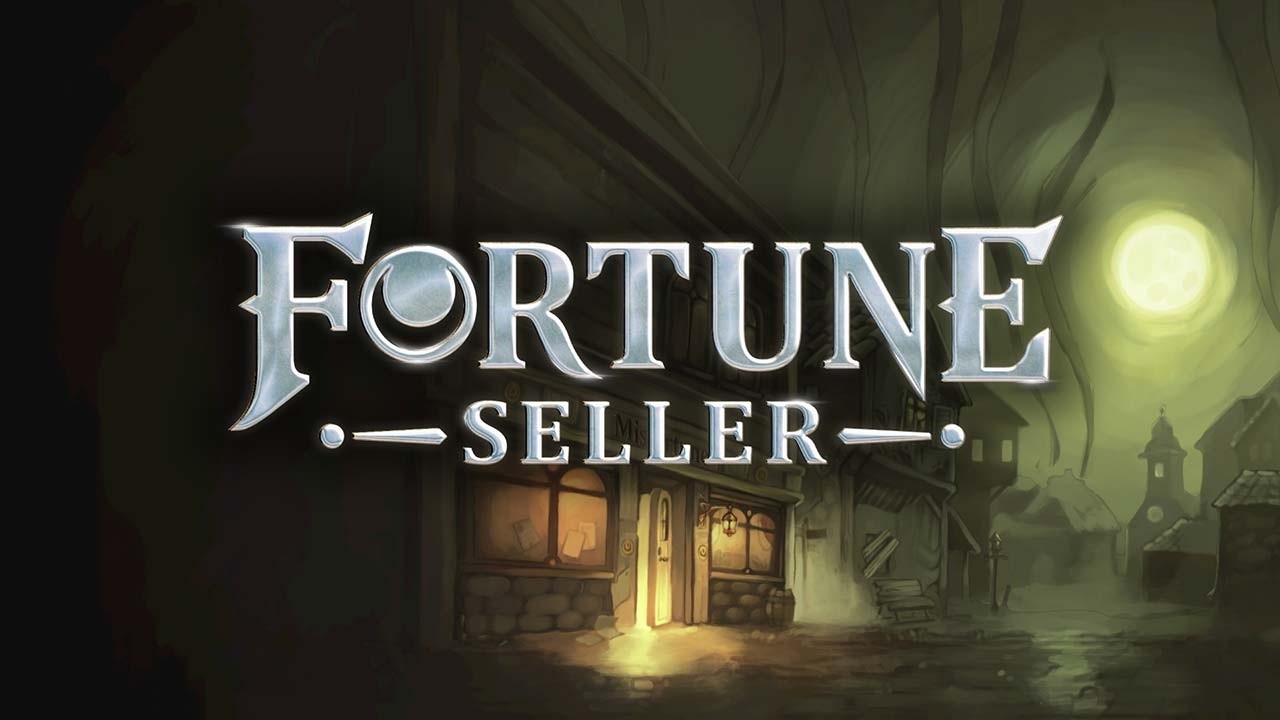
Fortune Seller – Gothic Roguelike Shopkeeping and Inventory Strategy
Manage a cursed antique shop with tarot cards, tile-based inventory, and rising rent pressure
Fortune Seller by Kiwick is a gothic roguelike shopkeeping game combining inventory optimization, tarot mechanics, and economic survival as players match antiques to maximize profit under escalating rent.
Stack every relic, read the cards, and see how long your shop survives

Fortune Seller


Gothic Roguelike Shopkeeping Systems in Fortune Seller Tile-Based Inventory Management, Antique Matching, and Profit Optimization Under Pressure
Fortune Seller operates as a roguelike shopkeeping game where inventory management is not a background system but the primary driver of success. Every transaction is shaped by a tile-based layout that functions similarly to a spatial puzzle, requiring careful placement of antiques within limited suitcase grids. This Tetris-like inventory management shopkeeper structure introduces a constant trade-off between item value and placement efficiency. A high-value relic may appear desirable in isolation, yet if it fails to align with tile bonuses or disrupts the grid, its overall contribution to profit can fall behind more strategically placed items. This dynamic transforms each sale into a layered calculation, reinforcing the game’s identity as a gothic inventory management roguelike gameplay experience built on optimization rather than volume.
Opportunity Cost and Spatial Efficiency Matching Antique Items with Luggage Tiles Strategy and Grid Utilization Theory
The underlying system rewards complete grid utilization, meaning every unused slot represents lost potential revenue. This introduces a measurable concept of opportunity cost within each decision. Players must evaluate whether to prioritize raw item value or pursue tile-matching bonuses that amplify overall returns. The matching antique items with luggage tiles strategy becomes central to long-term success, as consistent alignment between item type and tile category produces compounding benefits. Over time, this evolves into a predictive exercise where players begin to anticipate item shapes and plan placements in advance. Rather than reacting to each new item, efficient play involves structuring the grid with future possibilities in mind, turning inventory management into a forward-looking strategy system.
Economic Pressure and Weekly Progression Loops Crushing Rent Mechanics, Lunar Events, and the Structured Roguelike Cycle
Fortune Seller’s progression is defined by a repeating economic loop anchored by weekly rent increases. This shopkeeping game with crushing rent mechanics ensures that passive play is not viable. Each cycle culminates in a Lunar event, which resets inventory while simultaneously increasing the financial threshold required for survival. This creates a clear escalation curve, where players must continually improve efficiency to keep pace with rising costs. The loop can be understood as a controlled economic spiral: income must scale at a rate that meets or exceeds rent growth, or the run collapses. This structure answers queries such as “How to survive rent increases in Fortune Seller” by embedding the solution within the gameplay itself—consistent optimization and strategic scaling are not optional but required.
Re-Geared Progression and Risk Management Gamble Your Way Out of Debt Indie Game Systems and Adaptive Strategy
Following each Lunar reset, players enter a re-gearing phase where newly acquired resources must be leveraged to meet higher demands. This is where the game’s identity as a gamble your way out of debt indie game becomes most apparent. Decisions made early in a run, including item purchases and card selections, directly influence the ability to withstand later economic pressure. The system does not reward static strategies; instead, it demands continuous adaptation. Risk-taking, particularly through limited refresh options or contract choices, can accelerate progress but also introduce instability. This balance between controlled risk and measured optimization defines the pacing of each run.
Tarot Cards, Deckbuilding, and Strategic Modifiers Spell Effects, Passive Bonuses, and Synergy-Based Income Scaling
The tarot system introduces a structured layer of deckbuilding that reshapes how each run unfolds. As a tarot card game embedded within a management framework, it allows players to acquire modifiers that influence item value, customer outcomes, and overall profitability. Cards can provide passive boosts or situational effects, encouraging players to build combinations that align with their current strategy. Queries such as “Best tarot and spell card combos Fortune Seller” emerge from this system, as the right synergy can significantly alter income potential. Rather than functioning as isolated bonuses, tarot cards act as multipliers that interact directly with the inventory system, reinforcing the interconnected nature of the game’s mechanics.
Contracts and Long-Term Trade-Off Systems Permanent Modifiers, Risk Scaling, and Choices That Reshape Each Run
Contracts extend the game’s strategic depth by introducing permanent modifiers within a run. These decisions often involve trade-offs, where immediate advantages are offset by long-term constraints. Accepting a contract may increase earning potential in the short term while complicating future decisions, reinforcing the game’s “choices matter” structure. This layer adds persistence to an otherwise reset-driven system, ensuring that each run develops its own identity based on cumulative decisions. The result is a roguelike shop game with tile-based gameplay that evolves through both randomness and player-driven modification.
Antique Taxonomy and Spatial Puzzle Design Heirlooms, Taxidermy, and Weapon Relics as Functional Inventory Archetypes
The variety of items available in Fortune Seller contributes to its spatial complexity. Taxidermied headpieces, vintage heirlooms, and battle-worn swords are not only thematic elements but also functional components within the grid system. Their implied shapes and sizes influence placement strategies, encouraging players to think beyond simple categorization. Long or irregular items may offer higher value but introduce placement challenges, while smaller objects provide flexibility for filling gaps. This classification creates a practical taxonomy where each item type serves a distinct role within the broader inventory puzzle, reinforcing the game’s identity as an antique shop game built on spatial reasoning.
Technical Framework and PC System Requirements DirectX 11 and 12 Support, SSD Optimization, and Performance Tier Scaling
Fortune Seller’s technical structure reflects a modern indie release with scalable performance. The game operates on 64-bit Windows systems and supports both DirectX 11 and DirectX 12, allowing compatibility across a range of hardware configurations. Minimum requirements include an Intel Core i5 6600 processor, 8 GB RAM, and a GTX 1050 Ti, while recommended specifications scale to an Intel Core i5 12600 and GTX 1080 Ti with 16 GB RAM. The inclusion of SSD recommendations suggests optimization for faster load times and smoother transitions between gameplay phases. Despite its stylized presentation, these specifications indicate a system designed for consistent performance during repeated roguelike cycles, aligning with search interest around “Fortune Seller game system requirements.”
Audio, Aesthetic Direction, and Thematic Cohesion Steampunk Inspired Macabre Soundtrack and Gothic Visual Identity
The game’s presentation draws from gothic and steampunk influences, creating a consistent visual and audio identity. Arcane antiques, dimly lit environments, and stylized character designs reinforce the setting without relying on explicit narrative exposition. The inclusion of a steampunk inspired macabre soundtrack supports this tone, contributing to a cohesive atmosphere that aligns with the game’s mechanical focus. Rather than driving the experience, these elements provide context for the systems at play, ensuring that aesthetic design complements gameplay without overshadowing it.
Genre Positioning and Indie Market Context Steam Roguelike 2026, Inventory Management Game, and Niche Shop Simulator Design
Within the Steam roguelike 2026 ecosystem, Fortune Seller occupies a distinct niche as an inventory management game built around shopkeeping systems. It intersects multiple genres, including strategy, roguelike, deckbuilding, and management, while maintaining a focused gameplay loop. Searches such as “Games similar to Fortune Seller gothic shopkeep” highlight its position within a small but growing category of systems-driven indie titles. Its emphasis on tile-based gameplay and economic pressure differentiates it from broader shop simulator experiences, many of which prioritize expansion over optimization.
Replay Value and Systemic Longevity Randomized Items, Customer Variation, and Adaptive Strategy Across Runs
Replayability in Fortune Seller is sustained through variability rather than scale. Each run introduces different item combinations, customer demands, and tarot card options, ensuring that strategies must evolve. The limited refresh mechanic further reinforces decision-making by restricting how often players can cycle available items. This constraint encourages efficient planning and prevents reliance on repetition. As a result, the game maintains long-term engagement through systemic depth rather than content expansion, aligning with its identity as a roguelike shopkeeping experience.
Final Verdict A Gothic Roguelike Shopkeeping System Defined by Inventory Logic and Economic Survival
Fortune Seller delivers a focused and mechanically cohesive roguelike shopkeeping game where inventory management, tarot systems, and escalating rent form an interconnected gameplay loop. Its reliance on spatial optimization and economic pressure creates a consistent challenge that rewards strategic planning. As an indie shop simulator, it stands out through its tile-based design and replay-driven structure, offering a system-oriented experience grounded in efficiency, adaptation, and calculated risk.
The VoxOdyssey Project Mission Statement for Feature games
I highlight what makes each game unique by examining gameplay mechanics, design choices, and storytelling. By analyzing systems, level design, and play styles, and referencing official media and assets, I aim to provide accurate, informative, and trustworthy insights. While I strive for accuracy, some details may change or be updated over time. Players can use this information to understand each title’s features and mechanics and make their own judgments.
Fortune Seller – Gothic Roguelike, Antique Shopkeeping, and Inventory Optimization Screenshots show tile-based inventory, tarot cards, economic strategy, and antique matching


Fortune Seller Trailer – Gothic Roguelike Shopkeeping, Tarot Cards, and Inventory Strategy
See antique matching, Tetris-like inventory puzzles, and tarot card bonuses in action. Watch how your shop survives rising rent in the trailer below.